Deepwater Horizon damaged deep-sea corals; NOAA is now planting new colonies
In a groundbreaking initiative, scientists are working to revive deep-sea coral ecosystems that were harmed by an oil spill. Utilizing corals grown in laboratories along with advanced tools, they have successfully deployed these corals at great depths. This project focuses on rejuvenating delicate habitats in the Gulf of Mexico, with ongoing monitoring set to evaluate both the survival rates of…
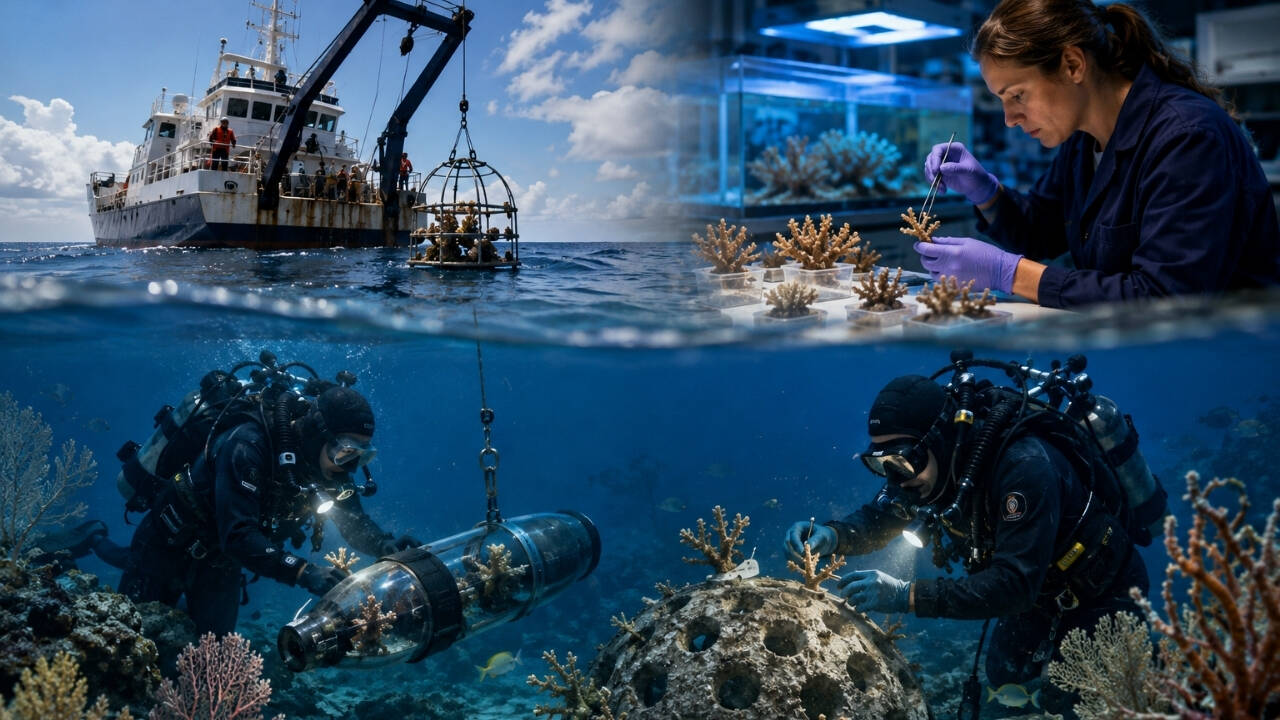
Sixteen years after the Deepwater Horizon oil spill devastated deep-sea coral habitats in the Gulf of Mexico, NOAA is now taking steps to restore these fragile ecosystems. Scientists are using laboratory-reared corals, specialized diving techniques, and innovative equipment to help the corals grow and thrive on the seafloor.
The Deepwater Horizon disaster in 2010 released oil into the Gulf, damaging mesophotic and deep benthic habitats, which receive little sunlight. These environments are more challenging to study and restore than shallow coral reefs due to their extreme depths.
One key advancement has been the ability to collect mesophotic corals and maintain them in controlled laboratory conditions. Researchers have learned how to promote their reproduction and growth, enabling them to produce new colonies that can be returned to the ocean.
In a 2026 mission aboard the NOAA Ship Nancy Foster, divers successfully outplanted 26 lab-reared mesophotic corals and relocated 16 coral fragments to establish new colonies. They also reached depths of 72.5 metres (237 feet) and mapped over 14 square nautical miles of seafloor.
The 2026 expedition used a new device called the "coral torpedo" to transport corals quickly to depth, where divers could place them precisely on specially designed domes. This allowed for accurate placement and reduced the challenges faced by earlier missions.
However, the restoration is ongoing, and scientists will continue monitoring the transplanted corals to assess their growth and survival. The long-term goal is to restore the damaged habitats while expanding understanding of these challenging-to-reach ecosystems.
Written by urgent.news from Times of India's reporting — not their text. Machine-written — may contain errors; check the original before relying on it.