US removed 100 outdated dams, setting a new river restoration record
In 2025, the US removed 100 outdated and unsafe dams across 30 states, reconnecting more than 4,893 miles of rivers, the highest number of upstream river miles restored through dam removal in a single year. The projects reopened fish habitats, improved river connectivity and addressed public safety concerns. Pennsylvania led with 14 removals, followed by Massachusetts with 11 and Vermont with…
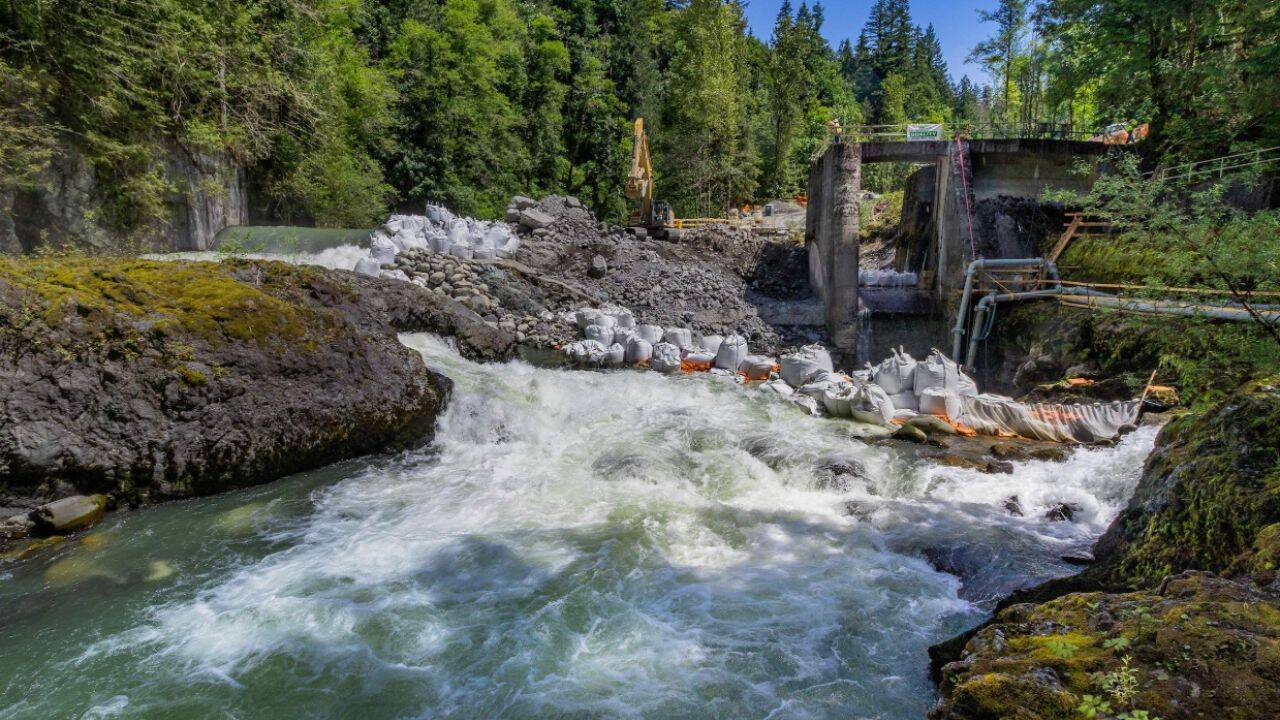
In 2025, the United States removed 100 outdated dams across 30 states, reconnecting more than 4,893 miles of rivers, according to the American Rivers organisation. This effort set a new record for upstream river miles reconnected through dam removal in a single year within the US. By removing these dams, water can now flow freely again in areas previously blocked for decades or even centuries, allowing for the restoration of habitats for fish and other wildlife.
Pennsylvania led the removals with 14 dams taken down, now boasting 433 documented dam removals since 1912. The Northeastern states, including Massachusetts and Vermont, also made significant contributions, with 11 and nine dams removed respectively. Many of the old dams in the US are no longer serving their original purposes, such as power generation or water supply, and can negatively impact river ecosystems and public safety.
Dam removals were primarily driven by ecology concerns, accounting for 59 of the 100 projects. The removal of these structures can lead to rapid ecological changes, with aquatic insects returning within days and native fish gaining access to areas they hadn't been able to reach for generations within weeks. Some successful projects included the removal of the Forest City Dam in Iowa, which reconnected 99 upstream miles for fish passage and created wetland spawning habitat for northern pike, and the removal of the DuPont Experimental Station Dam in Delaware, which allowed American shad to spawn in the Brandywine River for the first time in over a century.
Written by urgent.news from Times of India's reporting — not their text. Machine-written — may contain errors; check the original before relying on it.