Endocrine-disrupting chemicals: Can everyday plastics affect your blood sugar?
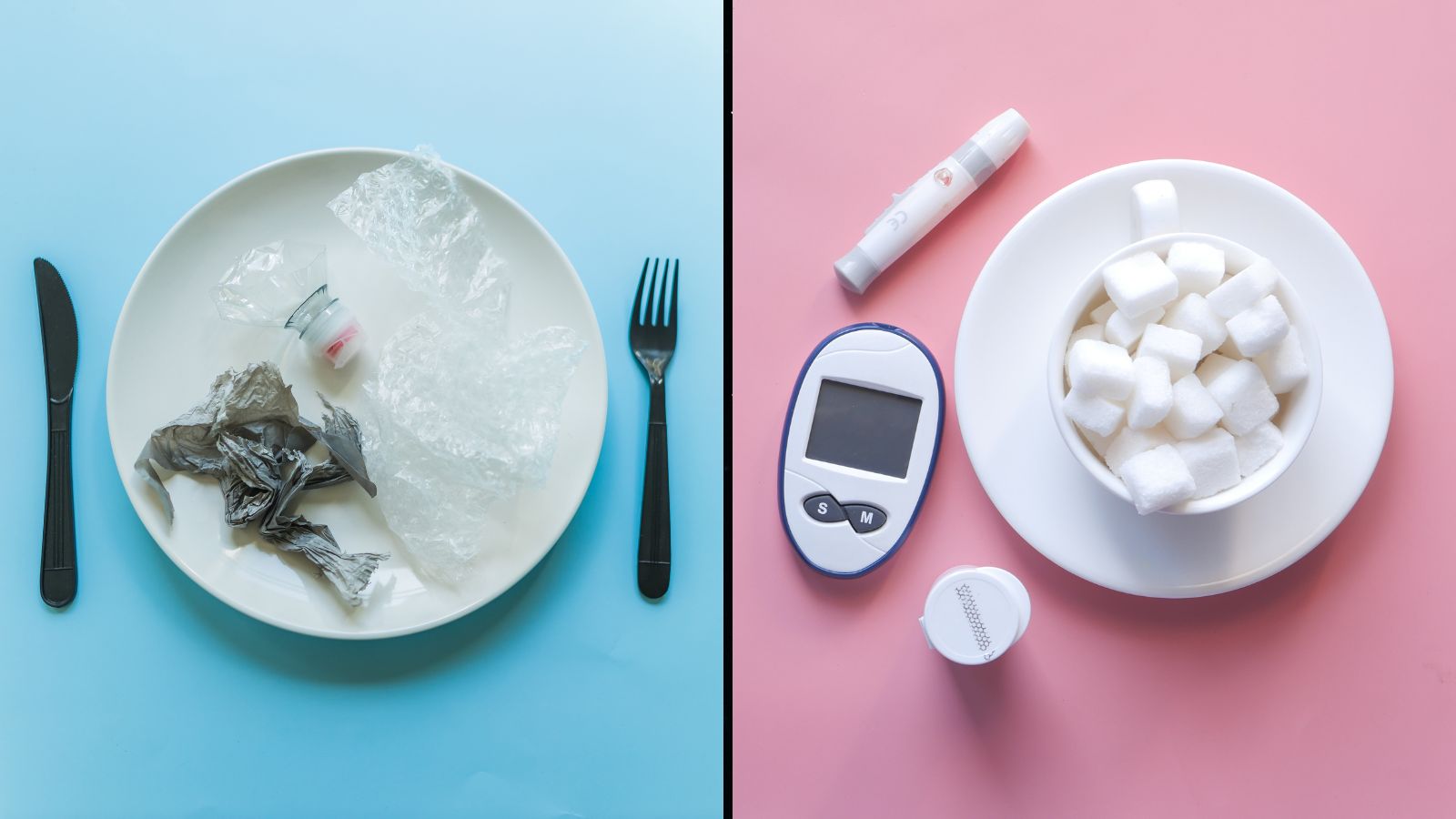
Everyday exposure to certain chemicals found in plastics and other synthetic materials may influence blood sugar regulation and increase the risk of developing type 2 diabetes. Endocrine-disrupting chemicals (EDCs) like bisphenol A (BPA), phthalates and per- and polyfluoroalkyl substances (PFAS) have been studied for their potential to interfere with hormone signaling.
While research on the connection between these chemicals and diabetes risk is ongoing, some studies suggest a possible link. Experts emphasize that the strength of this link varies depending on the chemical involved. BPA, for example, shows the most consistent evidence of a possible association with type 2 diabetes, while PFAS evidence remains more uncertain.
The exact mechanisms by which these chemicals may impact blood sugar regulation are still being investigated. However, it is thought that some EDCs could directly affect the pancreas, while others may imitate or interfere with other hormones involved in glucose metabolism. Vulnerable groups, such as pregnant women, young children and those already living with prediabetes, may be at higher risk due to their naturally increased insulin resistance and less reserve capacity for managing added stress on their beta-cells.
Practical steps to minimize exposure include choosing fresh or frozen foods over heavily packaged options, avoiding heating food in plastic containers, and steering clear of unnecessary use of detox teas and supplements. While these measures can be helpful additions to a healthy lifestyle, maintaining a healthy weight, staying active and following a balanced diet remain the most important factors for long-term metabolic health.
Written by urgent.news from The Indian Express's reporting — not their text. Machine-written — may contain errors; check the original before relying on it.