The Gulf wants to break free from the world’s data chokepoints
In this week’s Fortune Gulf Brief.
The Fortune Gulf Brief dives into the growing need for alternative data routes in the Gulf region. Dubai's crypto exchange is facing U.S. sanctions worth $4 billion, while Iran's network sees increased activity. The UAE's non-oil sector is growing at a four-month high. ADNOC's L&S profits have quadrupled, and the outlook has been lifted again.
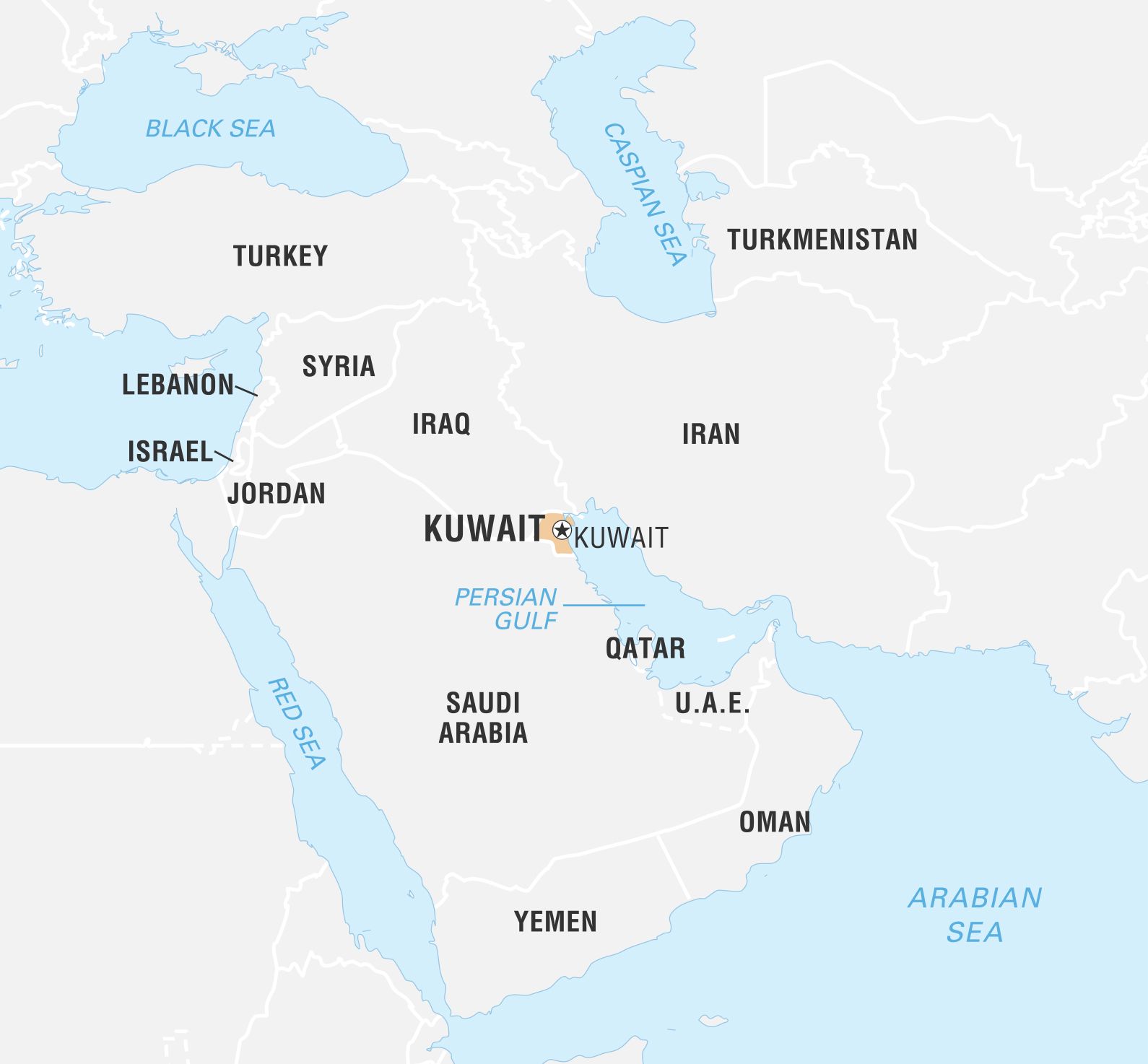
The Gulf countries and telecom firms are racing to build their data infrastructure, as over 90% of Europe-Asia traffic currently passes through Egypt and the Red Sea-Suez Canal region. Geopolitical instability has made constructing alternative routes a strategic priority. The UAE, Saudi Arabia, and Qatar are all competing to build these routes, with Qatar's Ooredoo's Fibre in the Gulf system leading the charge.
This $500 million, 2,000-kilometer project is set for completion in late 2027, and will connect all six Gulf states and Iraq, bypassing the Suez Canal and Bab-el-Mandeb strait. However, the project faces challenges, as a key section must pass through the Strait of Hormuz, where cable-laying ships currently cannot navigate. A bigger question looms: will the ongoing war and its aftermath threaten the viability of these digital highways?
Ooredoo is diversifying its footprint by partnering with Nvidia and Nokia to launch an AI compute and neo-cloud platform in Indonesia, further expanding its reach into Southeast Asia.
Written by urgent.news from Fortune's reporting — not their text. Machine-written — may contain errors; check the original before relying on it.