Economist calls for reset of Civil Service to drive development
Professor Godfred Alufar Bokpin, an economist, has called for a fundamental reset of Ghana’s Civil Service to improve public-sector efficiency and economic management. The post Economist calls for reset of Civil Service to drive development appeared first on Ghana Business News .
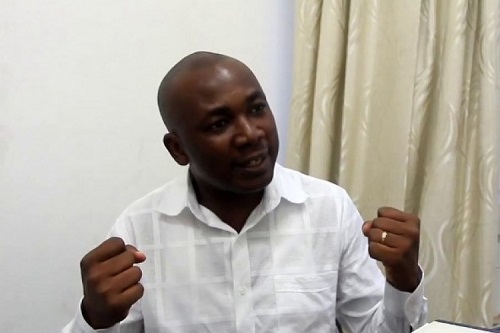
Prof. Godfred Alufar Bokpin, an economist, has advocated for a complete overhaul of Ghana's Civil Service in order to boost public-sector performance and economic growth. He emphasized that political impartiality, merit-based hiring, and consistent policy implementation are crucial in reinvigorating the Civil Service's capacity to fuel national development.
Bokpin made this remark during a public lecture held in Accra to commemorate this year's Civil Service Week, under the theme: "The Resetting Agenda for Sustainable Development: The Civil Service's Responsibilities." He pointed out that Ghana's public service traditionally had a strong correlation with periods of economic prosperity and that the Civil Service was once among the best globally prior to independence.
Bokpin stressed that the ongoing national "reset" should prioritize professionalism, competence, and public service values that prevailed during the early years of independence. He warned against the influence of political considerations in recruitment, promotion, and retention within the public service, as this could result in less qualified individuals advising the government on crucial national issues. He warned that this could lead to the outcome of unqualified individuals guiding critical national matters.
Regarding Ghana's ongoing dealings with the International Monetary Fund (IMF), Bokpin argued that the recurring economic crises indicated deeper issues with policy design and public financial management. He stated that fiscal consolidation alone was insufficient to restore economic stability, highlighting that Ghana's debt restructuring underlined the gravity of its fiscal difficulties.
The Economist suggested that Ghana's repeated IMF programs should prompt a comprehensive evaluation of economic management instead of another short-term financial adjustment. He insisted that policy consistency, predictability, and continuity were necessary to break the cycle of economic instability.
Bokpin emphasized that economic policy should concentrate not only on growth but also on generating stable and sustainable employment, particularly as hundreds of thousands of young people are expected to enter the workforce annually. He advocated for the integration of employment targets into national budgets and the generation of regular data to assess whether economic growth is translating into job creation and improved living standards.
He urged Ghana to learn from the experiences of Singapore, Malaysia, and South Korea, which he claimed had transformed their economies through targeted policymaking, elevated productivity, efficiency, and steadfast policy consistency. He noted that Ghana had once been on par with these nations but had since fallen behind due to shortcomings in economic management and public-sector performance.
Written by urgent.news from Ghana Business News's reporting — not their text. Machine-written — may contain errors; check the original before relying on it.