Última hora del eclipse solar de agosto en España, en directo | Cataluña avisa de un aumento de tráfico ante el eclipse y Castilla-La Mancha pide evitar desplazamientos con un Es-Alert
La DGT estima hasta 1,5 millones de desplazamientos hacia las zonas donde será visible | Retirado un nuevo modelo de gafas para el eclipse, siete en total
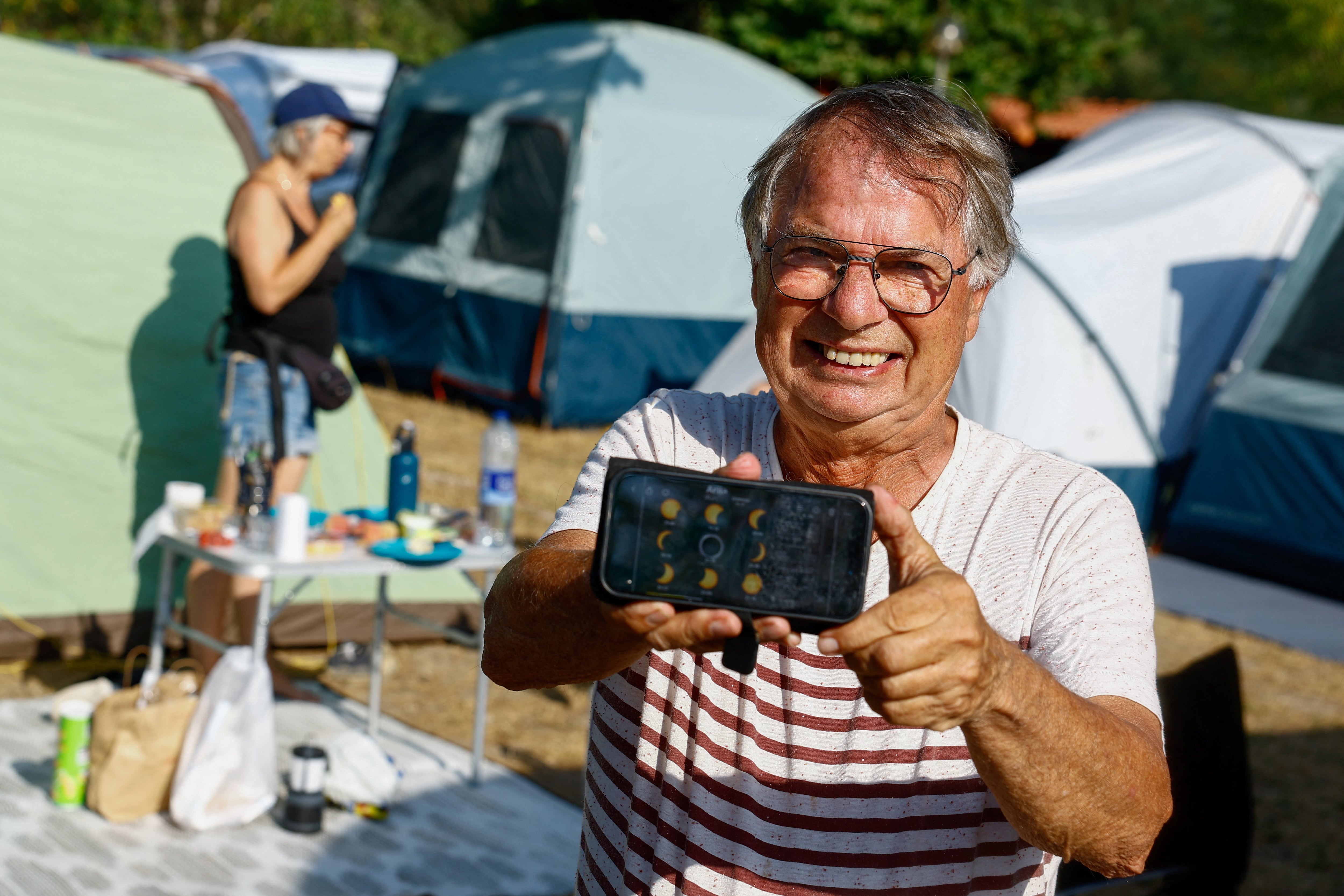
In the final hours of the August solar eclipse in Spain, Cataluña warns of increased traffic and Castilla-La Mancha requests to avoid unnecessary travel. The Generalitat of Cataluña's Interior Minister, Núria Parlon, noted the surge in travel, including public transportation, to view the eclipse in the Terres de l’Ebre area. Castilla-La Mancha's Protection Civil sent an Es-Alert message to mobile devices, urging drivers to avoid unnecessary movements and not to stop at parking spots.
The Directorate-General for Traffic (DGT) estimates that up to 1.5 million additional journeys may be made to reach areas for viewing the solar eclipse, which will be total in a western-to-eastern band across the peninsula, including several provincial capitals from A Coruña to Palma. The eclipse will begin at 19:30 and end just before 21:30.
Authorities in various autonomous communities have ordered the withdrawal of a new model of glasses due to the risk of eye injury, making it seven models withdrawn: Mó, Lionstar, ECP Eye Care Professional, Pelispan, Homanaje, Orro, and Opticalia. Some regions have warned of the risk of fires due to high temperatures and requested maximum caution for those planning to visit rural and forest areas.
EL PAÍS has collected nearly 500 official viewing sites where the eclipse can be observed, lasting less than two minutes once the sun sets. After the sun rises, another phenomenon may be visible: the Perseids meteor shower, which occurs every summer.
Written by urgent.news from El Pais's reporting — not their text. Machine-written — may contain errors; check the original before relying on it.