Google is building three huge new subsea cables to connect North, Central and South America
Google looks to better connect the Americas with a host of new subsea cables.
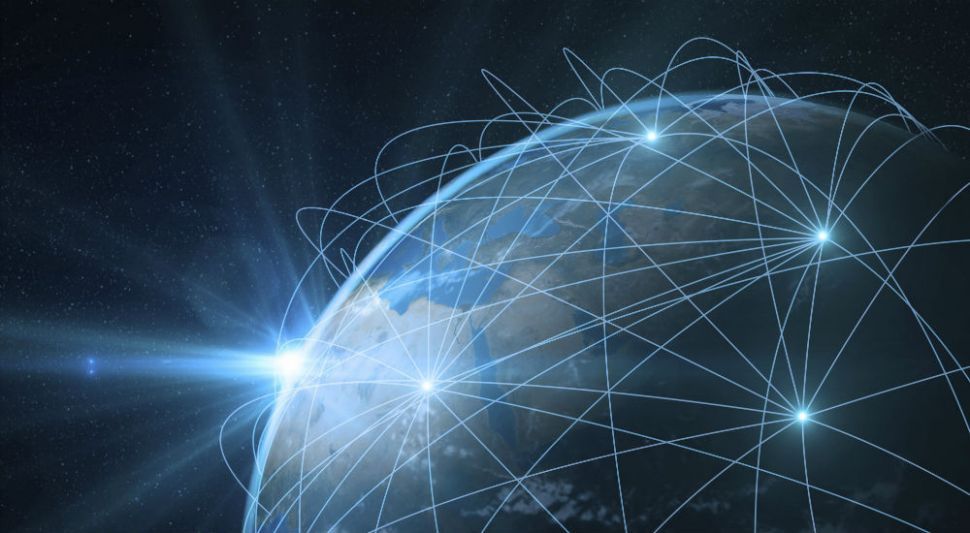
Google is constructing three extensive new subsea cable systems to establish enhanced connectivity across North, Central, and South America. The new Alisios, Canoa, and OlaLuz installations will not only link North America to its southern counterpart but also improve connections with Central America. All three cables will traverse the Dominican Republic, with connections from Florida, extending down to Panama and Chile.
Named after the Spanish term for trade winds, Alisios will link the Dominican Republic, Panama, and Chile. Canoa, inspired by the Taíno word for canoe, will connect the Dominican Republic to Bermuda and further connect Google's existing Nuvem and Sol cable systems, creating a direct link between Latin America, the Caribbean, Europe, and North America.
OlaLuz, derived from the Spanish words for wave and light, will directly connect the Dominican Republic to Florida. This enhanced connection is expected to significantly boost network capacity between the Caribbean and the East Coast of the US.
In addition to these new installations, Google is introducing a new branch of its Firmina subsea cable landing in the Dominican Republic. This addition provides added resilience to a system that connects North and South America. Google asserts that this extensive expansion will bolster its efforts to build a global subsea network, particularly its ambitious Pacific Connect initiative, which spans the world's largest ocean.
The company emphasizes that these investments will pave the way for a more interconnected and accessible global cloud network, prioritizing reach, reliability, and resilience for all users.
Written by urgent.news from TechRadar's reporting — not their text. Machine-written — may contain errors; check the original before relying on it.