Building Scalable Web Applications with Modern Backend Architecture
Modern web applications are no longer simple collections of frontend pages and backend endpoints. As applications grow, developers need to think about performance, scalability, security, maintainability, and reliability from the beginning. A well-designed backend architecture allows teams to add new features without turning the codebase into a difficult-to-maintain system. A typical modern…
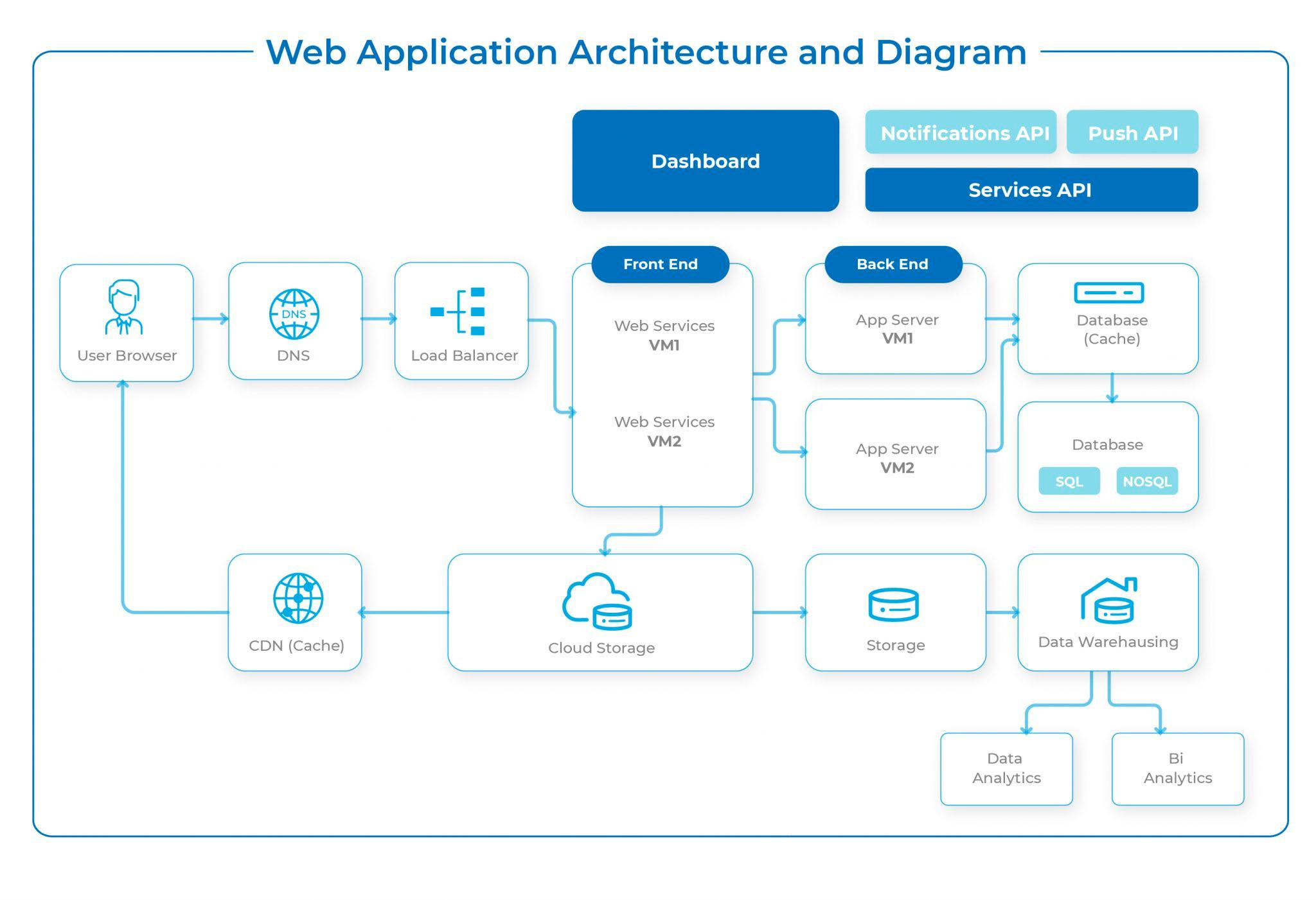
Building scalable web applications requires more than just constructing simple frontend pages and backend endpoints. As applications expand in size and complexity, developers must consider performance, scalability, security, maintainability, and reliability right from the start. A thoughtfully designed backend architecture enables teams to incorporate new features without transforming the codebase into an intricate, hard-to-manage system.
A typical modern application architecture comprises several interconnected layers. The frontend interacts with backend APIs, the backend manages business logic, and databases store enduring information. As applications grow more intricate, supplementary services like caching systems, message queues, authentication providers, and object storage can be incorporated.
Maintaining clear separation of these responsibilities enhances the system's scalability and debuggability. For JavaScript developers, Node.js is a favored option for crafting backend services due to its ability to leverage JavaScript throughout the application stack. Frameworks such as Express.js simplify the creation of REST APIs, middleware, authentication systems, and integration with external services.
Database design is a crucial aspect of application architecture. PostgreSQL and MySQL are frequently employed when applications necessitate structured relational data, transactions, and complex queries. It is vital for developers to meticulously design database schemas and indexes, as inefficient queries can quickly become a significant performance bottleneck as data volume increases.
Implementing an effective caching strategy can markedly boost application performance when the same data is frequently requested. Redis is often utilized to store frequently accessed information in memory, thereby enabling applications to respond without querying the primary database with each request. An astutely designed caching strategy can diminish database load and expedite response times for users.
Written by urgent.news from HackerNoon's reporting — not their text. Machine-written — may contain errors; check the original before relying on it.