From selling solar to storing solar?
Pakistan’s solar story is entering another awkward phase for grid planners. Net metering continues to climb at a remarkable pace, even as the regulatory framework that fuelled its rise is being rewritten and batteries begin to emerge as the next disruption. The latest numbers leave little ambiguity. In June 2026, electricity purchases from net-metered consumers reached roughly 270 GWh, against…
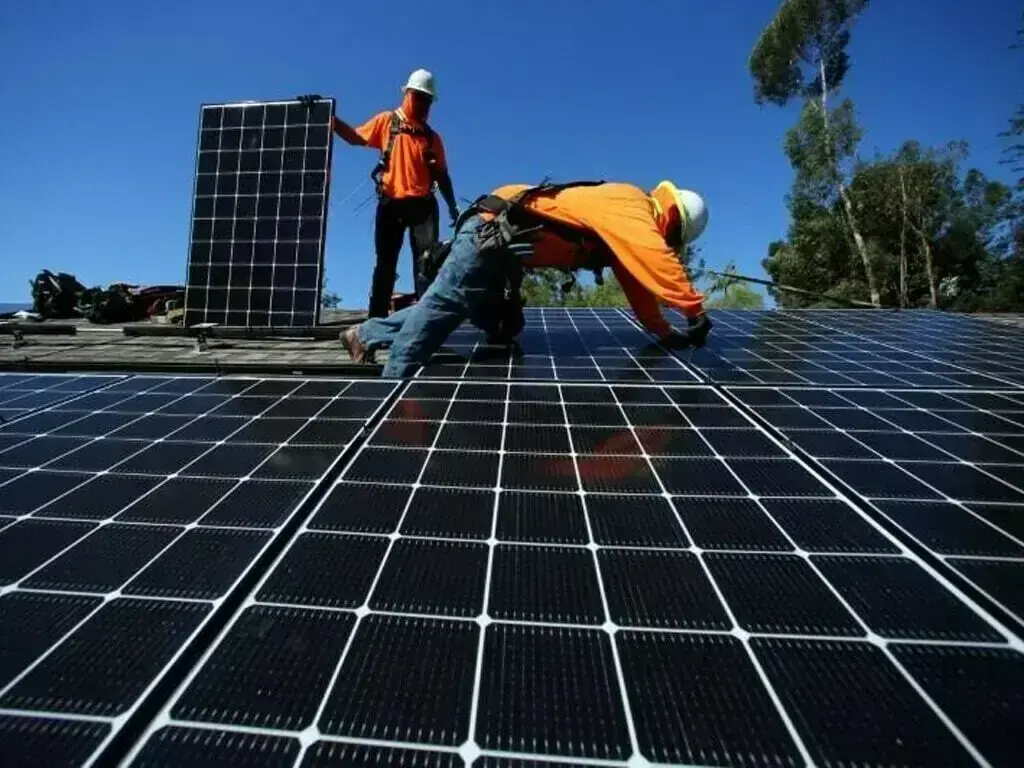
Pakistan's solar power landscape is undergoing a transformation. Net metering, which allows homeowners and businesses to feed excess solar power back into the grid, has surged at an astonishing rate. In June 2026, electricity purchases from net-metered consumers reached nearly 270 GWh, a more than 13-fold increase from 2023. April 2026 saw a peak of nearly 390 GWh, more than three times the level seen just a year earlier.
This growth has been consistent year after year, despite the solar import market becoming more complex, with cumulated solar panel imports reaching 55,000MW.
However, the rise of net metering hides a more nuanced story. A significant portion of Pakistan's solar capacity is now used for self-consumption, commercial and industrial applications, and hybrid systems, often backed by batteries. For the grid, net metering remains a visible symbol of this shift, altering the relationship between consumers and the distribution system.
Daytime demand falls as excess generation flows back into the grid, challenging the traditional model of recovering network costs through volumetric electricity sales.
This shift is being recalibrated with the introduction of net billing for new connections, moderating the extraordinary pace of new grid-connected solar installations. Meanwhile, the lithium battery market is booming, with July imports reaching an unprecedented $88 million, the highest monthly figure on record. This trend suggests that solar and storage technologies are increasingly growing together, with batteries enabling consumers to capture more value from their solar panels.
For grid planners, this creates new challenges. The old solar challenge was visible and relatively easy to manage, but storage technology changes the timing of electricity consumption. Solar-plus-battery households can shift generation to times of peak demand, potentially altering the shape of demand at scale. As net metering growth slows due to regulatory changes, the technology capable of taking distributed generation to the next level is accelerating.
Planning must now anticipate this storage revolution to avoid another mismatch between the power system that exists and the power system consumers actually want.
Written by urgent.news from Business Recorder's reporting — not their text. Machine-written — may contain errors; check the original before relying on it.