Oil spill in Gulf fast becoming worst in years, agencies warn
AgenciesA vast oil spill in the Gulf is quickly becoming one of the world’s worst in years after being allowed to spread almost unchecked for weeks, according to international agen...
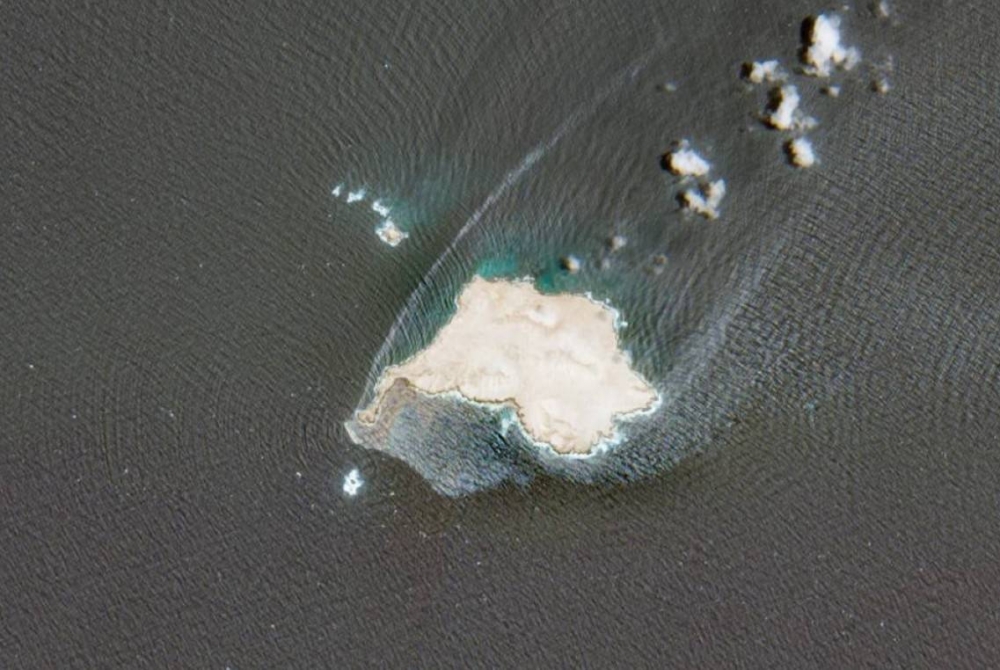
A massive oil spill in the Gulf of Oman is rapidly escalating into one of the world’s most significant oil spills in recent years, according to international agencies, satellite imagery, and environmental groups. The spill, originating from a grounded tanker carrying Russian crude, has extended its reach to the mainland, covering an area exceeding 2,000 square kilometers, revealed John Amos, an oil spill specialist who examined satellite imagery obtained by Reuters.
The vessel, the Caroline Bezengi, an 800,000-barrel Russian tanker under international sanctions, ran aground on June 30 at an Omani island within a marine nature reserve. Initial difficulties were reported off Yemen on June 8. The ship experienced a blast en route, but no party has claimed responsibility. Navigating two ongoing conflicts, the Caroline Bezengi was sailing from Novorossiysk in Russia, a hotspot of the Russia-Ukraine war, through the Suez Canal, and past Yemen, where the Iran-aligned Houthis are engaged in a broader regional conflict involving the United States, Israel, and Iran.
This complex web of war and sanctions-related regulations complicates response efforts and may hinder attempts to prevent a potential disaster. The IOPC Funds, responsible for compensating tanker spill clean-up costs, will not be involved due to the incident being deemed an "act of war" rather than a regular accident. The tanker is also uninsured by any Western insurance company.
Amos, the CEO of SkyTruth and an oil spills specialist, warns that the situation could take a catastrophic turn. If left unchecked, the tanker could break apart, releasing its entire oil cargo, potentially up to 40-50 million gallons, the equivalent of the 1989 Exxon Valdez spill, one of the largest oil spills in recent history. The ship's size and capacity are comparable to the Sanchi, an Iranian vessel that collided with a freighter off China in 2018, resulting in the world’s worst oil tanker disaster in decades.
The spill, initially detected in early July, has now begun to affect the Omani mainland, according to the U.N.'s International Maritime Organization (IMO). "Oil is drifting offshore to the northeast of (Oman’s) Al-Qibliyyah Island, with some oil reaching the mainland. Oil spill contingency planning is in place," an IMO spokesperson informed Reuters.
Satellite imagery reveals the grounded tanker at Al-Qibliyyah Island, part of a nature reserve that houses endangered turtles, humpback whales, and coral reefs, threatening their habitats. Oman reported the spill covering around 400 square kilometers, but environmental agencies and oil spill specialists estimate it to be several times larger, rapidly expanding since the beginning of August.
Greenpeace reported the affected area grew from 45 square kilometers by the end of July to 600 square kilometers by the 5th of August, a 40-fold increase since the beginning of the month.
Written by urgent.news from Qatar Tribune Business's reporting — not their text. Machine-written — may contain errors; check the original before relying on it.