Endocrine-disrupting chemicals: Can everyday plastics affect your blood sugar?
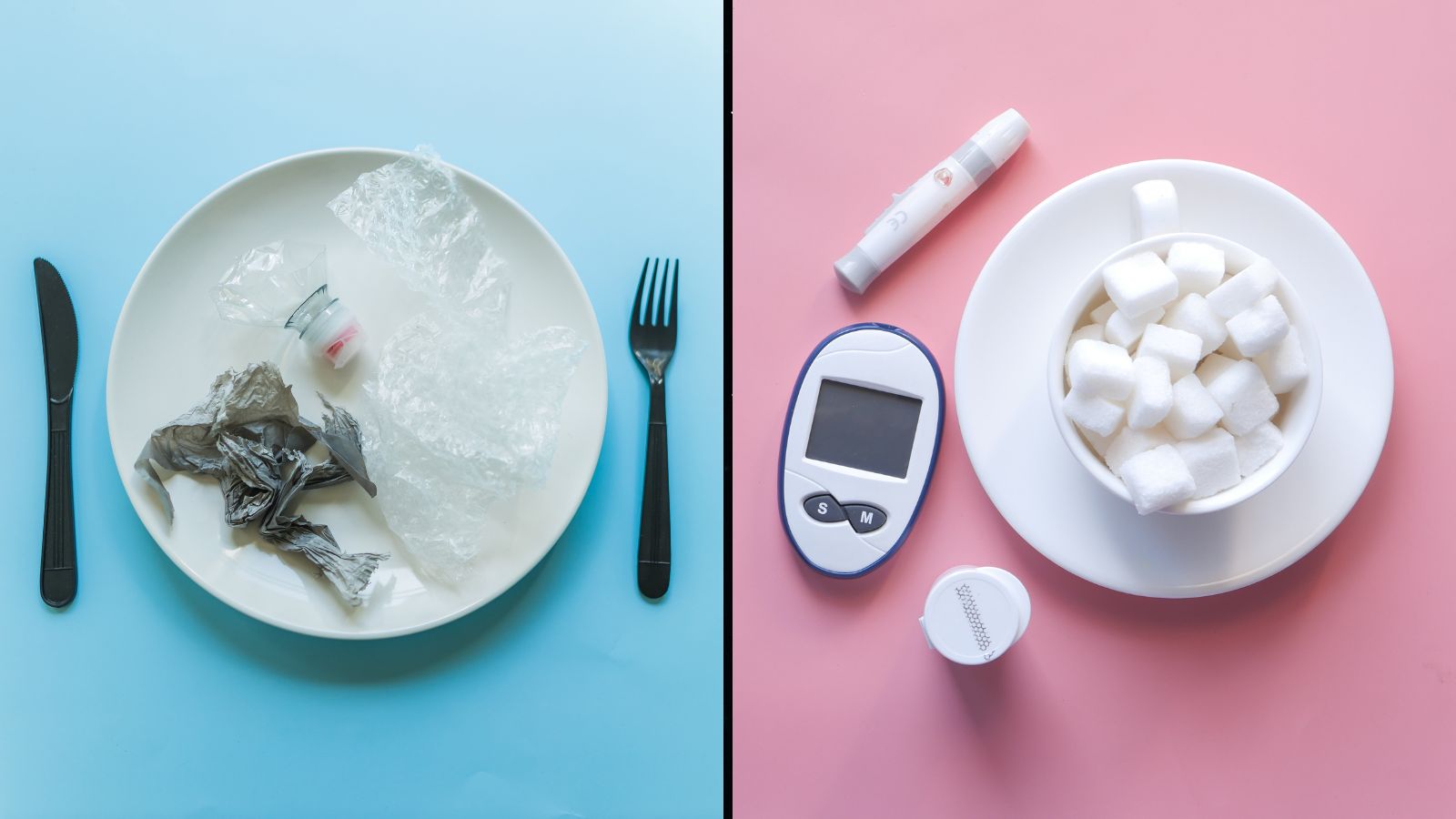
Every day, people interact with numerous synthetic chemicals through various products like food packaging, plastic containers, non-stick cookware, stain-resistant fabrics, and even tap water. Certain chemicals, known as endocrine-disrupting chemicals (EDCs), have gained attention for their potential to interfere with the body's hormone signaling.
These include bisphenol A (BPA), specific phthalates, and per- and polyfluoroalkyl substances (PFAS). As research progresses, there is growing interest in whether regular, low-level exposure to these chemicals could impact not only reproductive health but also metabolism and blood sugar regulation.
While genetics, diet, physical activity, and body weight are primary factors influencing blood sugar control and diabetes risk, experts are exploring whether environmental exposures could also play a supporting role. Some studies suggest a possible connection between EDCs and insulin resistance, impaired glucose metabolism, or an increased risk of type 2 diabetes, but the evidence remains inconclusive, with many questions about causation, real-world exposure levels, and vulnerable populations.
Jeanne Riberio, a Head Nutritionist and Diabetes Expert at Nutrition In Sync, clarifies that while there is an association between EDCs and diabetes risk, the strength of this association varies depending on the chemical. BPA, for instance, has the most consistent evidence, with a French study of 755 individuals finding a 45% higher risk of type 2 diabetes with higher BPA exposure, even after controlling for other risk factors.
Phthalates also show a moderate link to higher diabetes risk and insulin resistance, though the evidence is less robust. PFAS presents a more unsettled picture, with a 2025 Mount Sinai study indicating a 31% higher risk with increasing exposure, yet other studies have conflicting results.
Riberio explains that these chemicals can affect blood sugar regulation through several mechanisms. Some directly impact the pancreas - BPA, for example, disrupts the beta-cells responsible for insulin production, and at higher doses, can damage these cells. Others mimic real hormones, such as estrogen, and interfere with pathways like thyroid and PPARγ signaling, which regulate fat storage and insulin response.
Since everyday exposure comes from a mixture of chemicals, the combined effect is often greater than any single chemical alone.
Certain groups appear to be more vulnerable to these chemical effects. During pregnancy, when women become more insulin-resistant, and their beta-cells expand using estrogen signaling disrupted by these chemicals, potential risks to fetal metabolism are a significant concern. Children exposed to these chemicals early in life may also face an increased risk of developing diabetes later in adulthood, although this link is less clear.
For individuals with prediabetes, the risk is also notable due to already strained beta-cells and insulin sensitivity, leaving less room for additional stress from chemical exposure.
To minimize exposure to these chemicals without resorting to extreme measures, Riberio recommends practical steps. Choosing fresh or frozen foods over heavily packaged or canned options, and avoiding heating food in plastic containers, are among the most effective ways to reduce exposure to BPA and phthalates. Detox teas and supplements, however, have not been proven to remove these chemicals from the body.
Riberio emphasizes that while these changes can be beneficial additions to a healthy lifestyle, maintaining a balanced diet, regular exercise, and a healthy weight remain the most critical factors for long-term metabolic health.
Written by urgent.news from The Indian Express - Lifestyle's reporting — not their text. Machine-written — may contain errors; check the original before relying on it.
This story
This is one outlet's version. Read the fullest account.