Nickel expansion puts Indonesia’s biodiversity goals under pressure, study finds
JAKARTA — Indonesia’s nickel boom is colliding with its efforts to protect biodiversity and reduce emissions from forests and other land uses. A new study warns that meeting growing global nickel demand could increasingly put some of the world’s most important ecosystems at risk. A study published in Nature Ecology & Evolution focuses on the […]
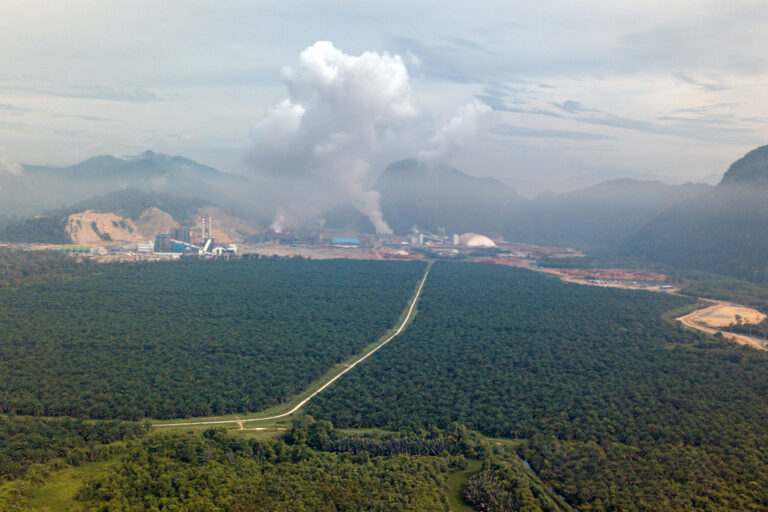
Jakarta — The rapid growth of Indonesia's nickel industry is clashing with the nation's goals to safeguard biodiversity and curb emissions from forests and land use. A new study, published in Nature Ecology & Evolution, warns that meeting surging global nickel demand could increasingly endanger some of Earth's most vital ecosystems.
The research focuses on the trade-offs between fulfilling future nickel demand and safeguarding areas crucial for biodiversity and carbon storage. The researchers discovered that 44% to 49% of the projected nickel demand between 2025 and 2050 could be met by mines situated in the world's top 10% of terrestrially significant regions for biodiversity and carbon conservation.
Jayden Hyman, the lead author from the University of Queensland's School of the Environment, explained in a press release that nickel is found in everything from steel used in infrastructure to the cookware in our kitchens, and demand is surging, particularly for batteries in electric vehicles. However, the decisions made now regarding where to source nickel could lock in detrimental impacts for decades in some of Earth's most biodiverse and carbon-rich ecosystems.
The findings present a specific challenge for Indonesia, the world's largest nickel producer responsible for over half of global supply. Projections suggest that Indonesia could supply up to 74% of global nickel by 2040 as demand continues to rise. The country is also committed to expanding its biodiversity conservation efforts. Indonesia's Biodiversity Strategy and Action Plan (IBSAP) for 2025-2045 aligns with the Kunming-Montreal Global Biodiversity Framework, including...
Written by urgent.news from Mongabay's reporting — not their text. Machine-written — may contain errors; check the original before relying on it.