Beijing’s tree die-off reveals hidden risks of rapid underground water recovery
At a time of year when Beijing’s vegetation should be at its greenest, thousands of trees of various species in a park in the city’s Chaoyang district have withered and died because they were too wet. Beijing Daily, the city’s official newspaper, said on Monday that rising groundwater levels might be to blame. Jinzhandian Park, a lush flood-storage wetland park nicknamed Beijing’s “Little Lake…
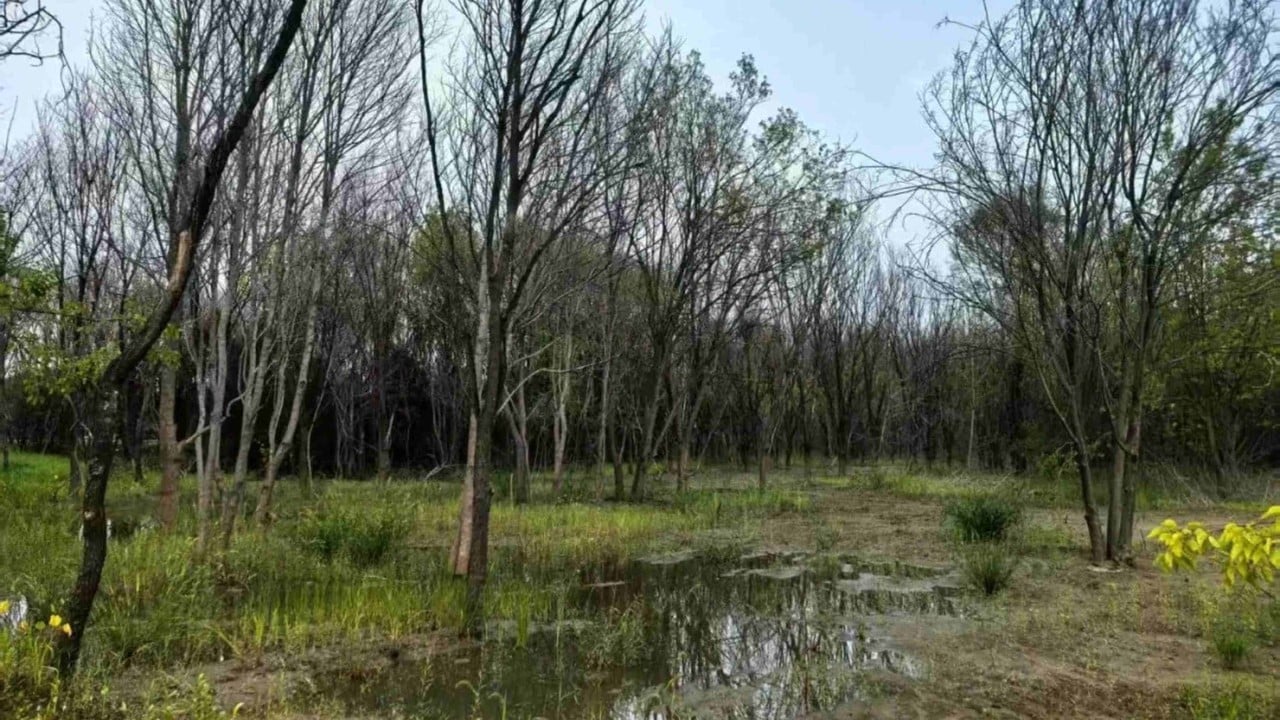
Beijing is currently experiencing a mysterious tree die-off, with thousands of trees in a park in the city’s Chaoyang district withering and dying. The Beijing Daily reports that rising groundwater levels may be the cause, although an official investigation has not yet been announced. Jinzhandian Park, a popular flood-storage wetland park nicknamed "Little Lake Baikal," has seen the die-off of various tree species including locust, poplar, willow, ginkgo, and pine.
Most of the affected trees were newly planted, but some were about 20 years old and had been thriving. Park staff and a Chaoyang district water bureau official both attribute the die-off to prolonged waterlogging, caused by rising groundwater levels. The water bureau is now taking measures to maintain the surviving trees, but there is still no official announcement regarding the investigation into the landscaping project or the reasons behind the rapid die-off.
Written by urgent.news from Reuters Business via SCMP's reporting — not their text. Machine-written — may contain errors; check the original before relying on it.
This story
This is one outlet's version. Read the fullest account.