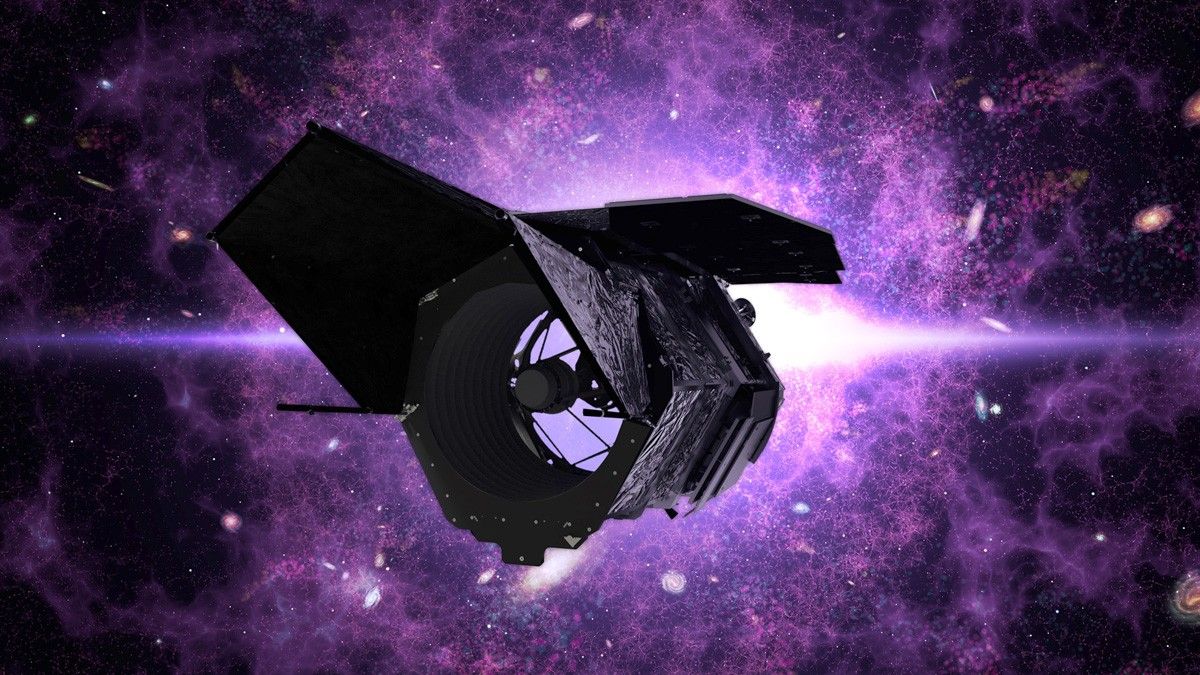
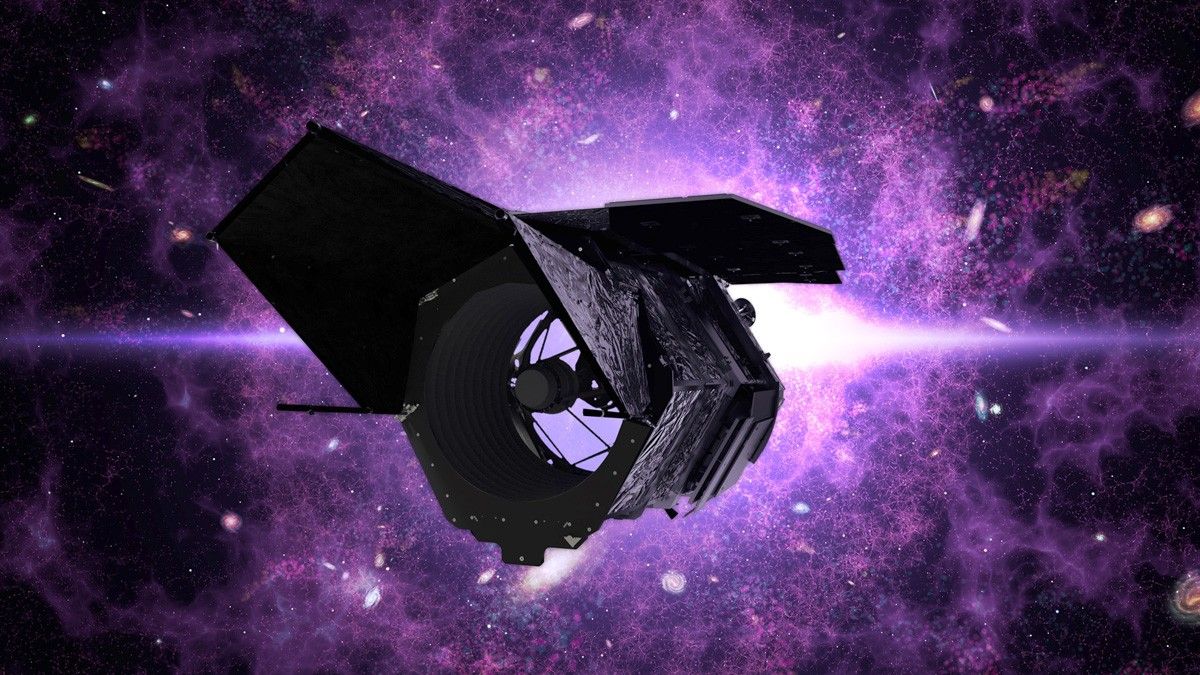
What If There's a Star Inside a Black Hole?
Ask what lies inside a black hole and the honest answer has always been a bit of a shrug and something about a singularity, a point where density becomes infinite and physics stops being able to tell you anything at all. It is the most unsatisfying answer in astrophysics, second only perhaps to what happened before the Big Bang. Now two theorists in China have produced a solution in which…
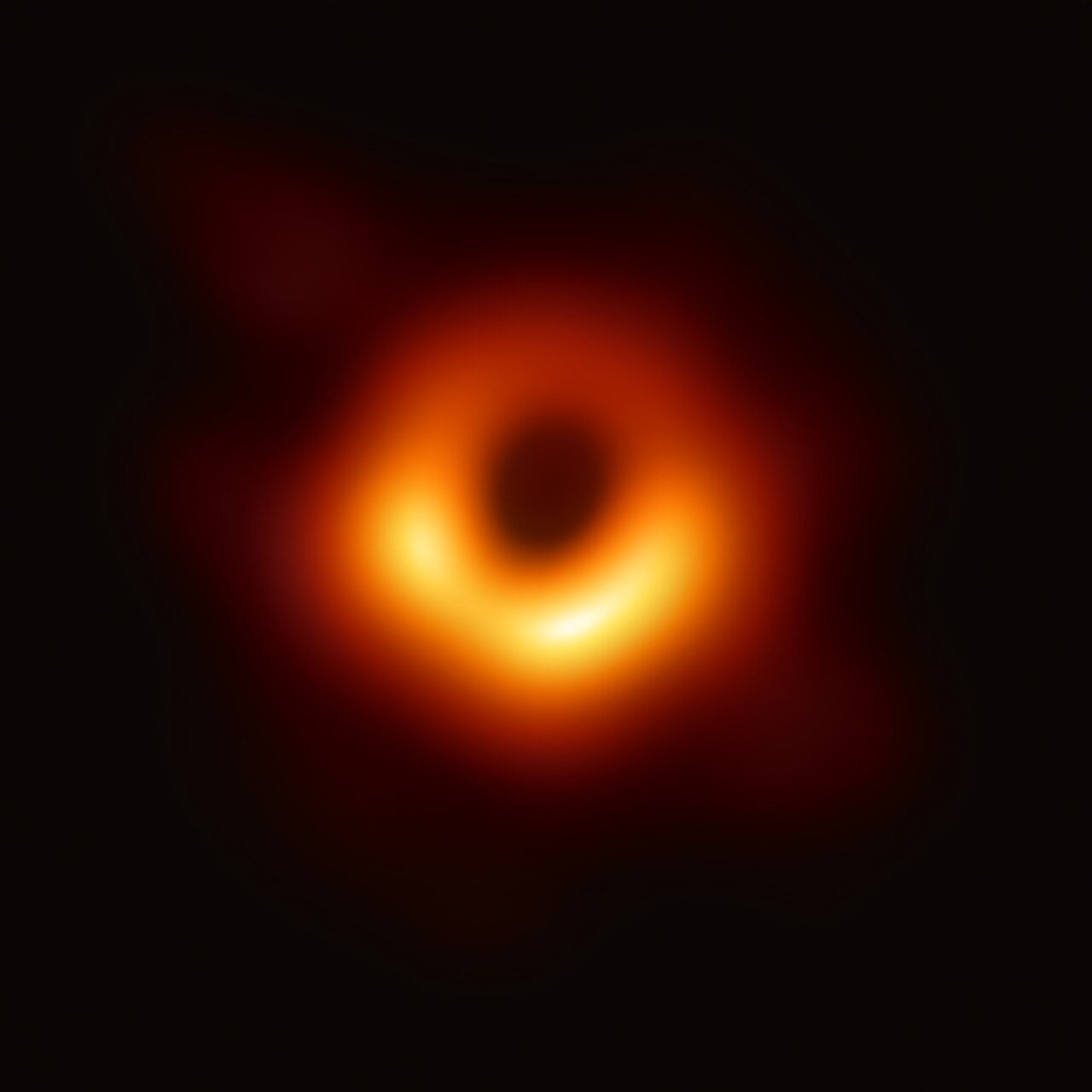
The question of what lies at the center of a black hole has puzzled scientists, with the common answer being a singularity of infinite density. However, a recent study published on the preprint server arXiv by researchers Chen Tan and Yong-Qiang Wang from Lanzhou University suggests a fascinating alternative.
Their proposal involves a neutron star residing inside a black hole, surrounded by a dark matter halo with a specific pressure-density relationship. This arrangement forms what they call a "regular black hole," where the equations describing the physics remain valid all the way to the center.
To test their idea, the researchers used standard equations of stellar structure and discovered that depending on the density of the dark matter halo, different outcomes occur. Below a certain density, the system remains stable with a neutron star and a dark matter cloud, slightly distorted. Above this density, the structure collapses, and no stable solution is found.
But in the middle range, between these two densities, something intriguing happens. A shell forms around the neutron star, extending from about 10-12 kilometers outward, with the star's surface at 8.5 kilometers. This shell behaves like an event horizon, but it encloses the star instead of being created by it. Within this shell, the neutron star continues its normal, structured existence, without any singularities or nonsense.
The key point here is that no collapse occurs within the neutron star. Instead, the gravity creating the shell comes from the combined mass of the star and the dark matter halo, with dark matter contributing approximately the same mass as the star itself. This model was verified using two different descriptions of neutron star matter, suggesting it is not just an artifact of a particular assumption.
However, it's important to note that the dark matter densities required for this scenario are far beyond what astronomers currently expect dark matter to reach. Thus, this remains a theoretical thought experiment rather than a claim about any actual astronomical object.
While this idea doesn't provide concrete evidence of what lies inside a black hole, it demonstrates that the interior of a black hole doesn't necessarily mean the end of physics. It opens the possibility that there could be exotic configurations inside black holes, challenging our current understanding and urging further exploration and detection efforts.
Written by urgent.news from Phys.org's reporting — not their text. Machine-written — may contain errors; check the original before relying on it.