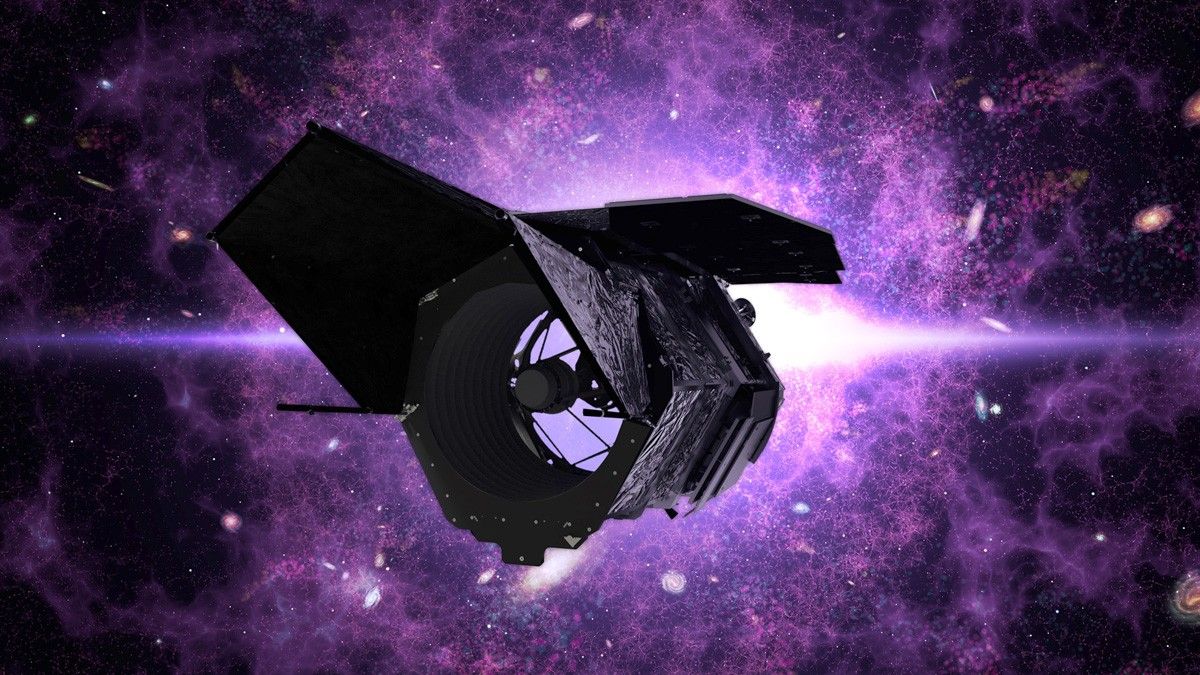
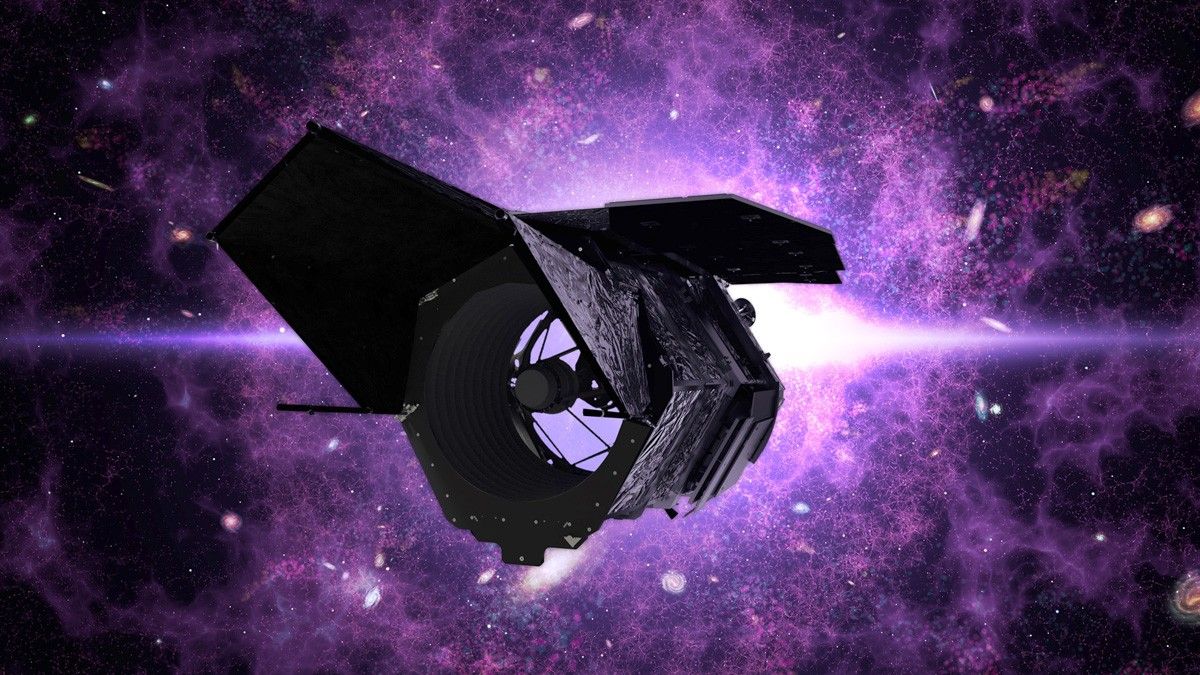
National lab visit boosts NASA’s confidence in space nuclear propulsion mission
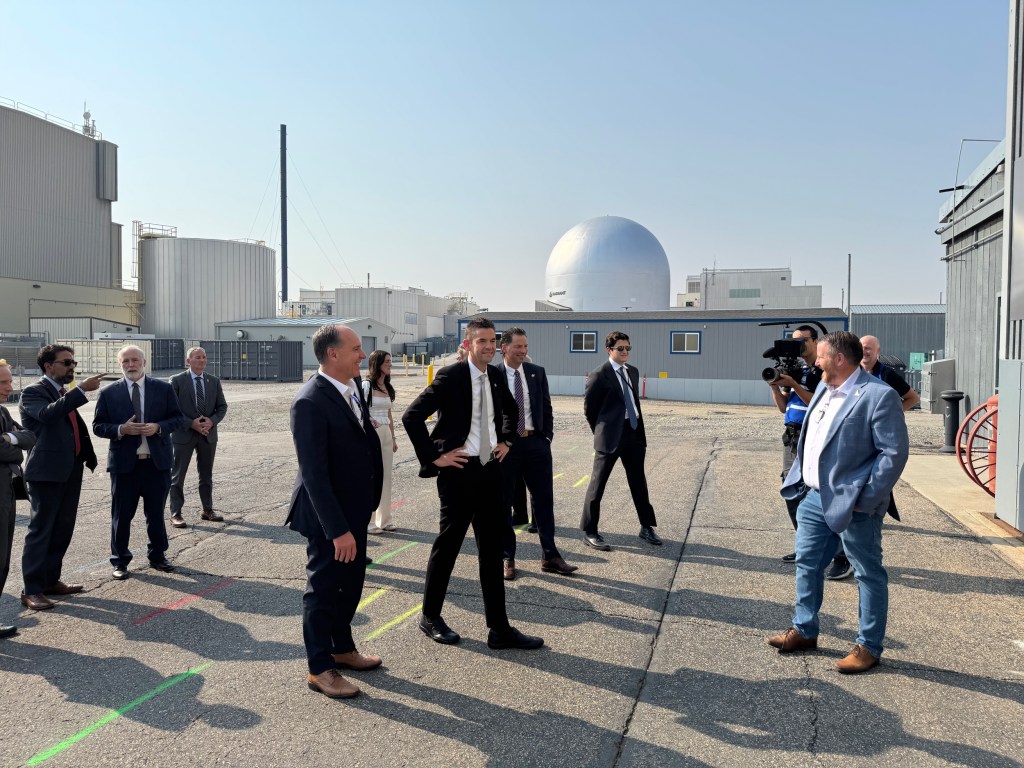
NASA officials say they are confident in plans to launch a nuclear electric propulsion demonstration mission by the end of 2028 after visiting the national lab building the mission’s reactor. The post National lab visit boosts NASA’s confidence in space nuclear propulsion mission appeared first on SpaceNews .
A spacecraft designed to rescue an ailing NASA telescope has been stabilized, raising hopes for its successful mission. The US firm Katalyst Space reported on August 11 that it had uploaded a software update, regaining control of its LINK spacecraft in orbit. Engineers are proceeding cautiously, monitoring the telescope's performance at every stage.
LINK, launched in July on a rocket dropped from a plane, has one mission: to save the Neil Gehrels Swift Observatory. With atmospheric drag causing its orbit to decay from 600 km to less than 350 km since its 2004 launch, NASA contracted Katalyst in September 2025 to boost it back to 600 km before it re-enters Earth's atmosphere.
In late July, LINK began tumbling uncontrollably, but engineers managed to stabilize it within two weeks. Katalyst now aims to adjust LINK's orbit relative to Swift over the coming days. Swift, launched in 2004, has been flying in a "superman mode" since February to reduce atmospheric drag, which has raised its altitude by at least 17 km but halted scientific observations.
Once the telescope is only 300 km above Earth, boosting it back to 600 km would become impossible due to the high drag. The mission is a race against time, as LINK's robotic arms would need to grab Swift and use thrusters to raise its orbit over three months. If the boost fails, Swift is likely to re-enter Earth's atmosphere by Christmas or by Easter 2027 at the latest.
Written by urgent.news from New Scientist's reporting — not their text. Machine-written — may contain errors; check the original before relying on it.