Coal India Eyes Chile Lithium Asset Acquisition To Secure Critical Mineral Supply For EV Batteries
Coal India, the world’s largest coal-producing company, is evaluating the acquisition of a Chile-focused lithium mining unit owned by Canada-based Wealth Minerals, Reuters reported. The potential deal would mark a major step by India to secure overseas lithium resources, a key mineral required for electric vehicle batteries, renewable energy storage and other clean technology applications. Coal…
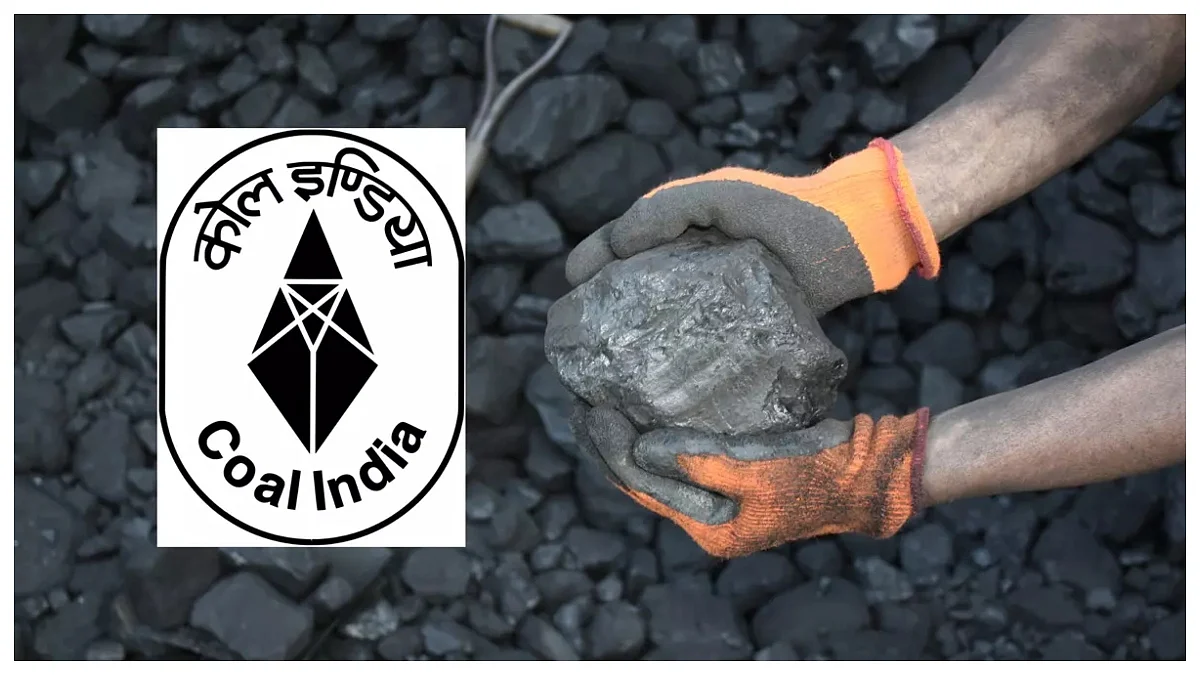
Coal India, the world's largest coal producer, is considering buying a Chilean lithium mining company from Canadian firm Wealth Minerals, according to Reuters. This potential acquisition could help India secure a vital mineral source for electric vehicles, renewable energy storage, and other clean technologies. As the first step, Coal India and Wealth Minerals' Chilean subsidiary Kuska Minerals have applied for a lithium extraction license from the Chilean government.
The companies plan to seek the license only after making the acquisition decision. Coal India may also explore a joint venture with Wealth Minerals, though the ownership structure, investment commitments, and partnership terms have not been determined.
Chile is the world's third-largest lithium resource holder, with 13 million metric tonnes estimated, according to the US Geological Survey. The country serves as a significant global lithium supplier, alongside Argentina and Bolivia. India has a limited history of securing overseas lithium assets, obtaining exploration and mining rights in Argentina in 2024.
The Indian government is promoting state-owned companies to invest in foreign mineral assets to reduce dependence on China-dominated supply chains. India has signed critical mineral cooperation agreements, including with Argentina, Australia, Japan, Brazil, Canada, Germany, and Peru. Discussions are ongoing with Chile for broader partnerships.
Coal India's potential acquisition in Chile aligns with India's strategy to secure mineral supplies for electric mobility and the clean energy transition.
Written by urgent.news from Free Press Journal's reporting — not their text. Machine-written — may contain errors; check the original before relying on it.