Fuel prices: Drought makes fuel more expensive - local shortages possible
Especially in western Germany, fuel prices are currently tending to be higher. And if the water levels on the Rhine continue to fall, even local supply shortages are becoming more likely.
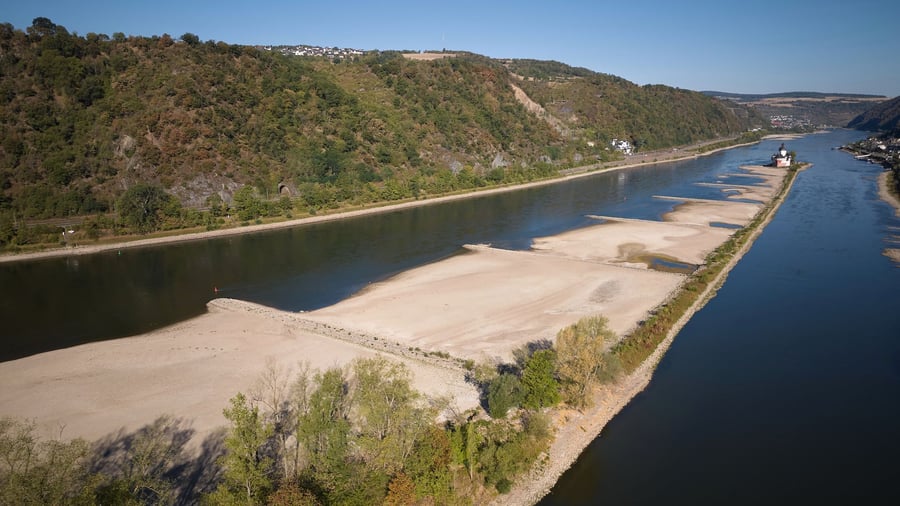
Rising fuel prices are linked to the falling water levels on the Rhine, according to the ADAC's fuel market expert, Christian Laberer. This low water level, which is also used as a transport route for oil, petrol, and diesel, is causing increased logistics costs for transporting fuels and certain raw materials. However, the German market is not solely dependent on the Rhine, but rather a network of seaports, refineries, pipelines, and rail and road transport.
Laberer stated that the low water level is currently contributing to higher fuel prices, particularly regionally. He added that the situation is expected to worsen in the coming days, with further declines in water levels in Cologne, Düsseldorf, Emmerich, and Duisburg-Ruhrort. The Rhine remains Europe's most important waterway, and low water levels pose challenges for shipping, making it difficult to transport goods, supply industries with raw materials, and disrupt supply chains.
The Rhine's low water levels are also making it difficult to shift transport to rail due to ongoing construction work on the right-hand side of the Rhine. The Rhine is crucial for the German economy, and the low water levels are increasing costs and complexity for businesses. Despite the ongoing challenges, the logistics industry is adjusting to the situation, with some companies reducing cargo loads or temporarily halting operations.
Written by urgent.news from Handelsblatt's reporting — not their text. Machine-written — may contain errors; check the original before relying on it.
This story
This is one outlet's version. Read the fullest account.
- Spritpreise: Niedrigwasser am Rhein macht Tanken teurer handelsblatt.com