The shock revelation that light bulbs are wrecking your metabolism
Since the 2000s, our light exposure has changed drastically as we make our buildings more energy-efficient. Now, we’re discovering how this may mess with our mitochondria, contributing to diabetes, dementia and more
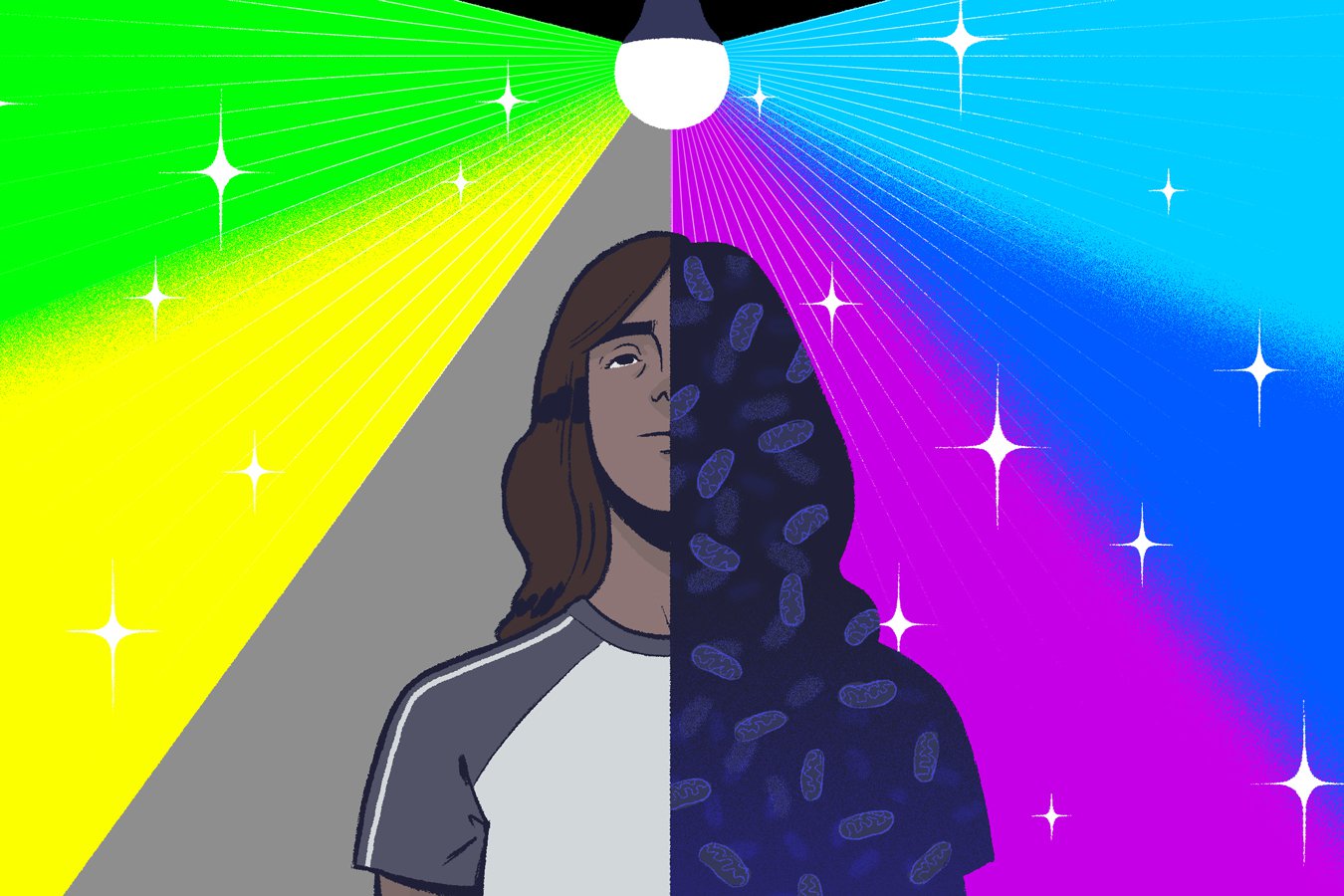
The revelation that light bulbs are negatively impacting our metabolism has taken many by surprise. In the early 2000s, two energy efficiency technologies were widely adopted: LED lights, which replaced incandescent bulbs and helped conserve energy, and window glass that filtered out infrared (IR) light, designed to prevent heat loss. This change significantly reduced the spectrum of light we are exposed to indoors, losing about 95% of the long-wavelength red light that was previously abundant.
Long wavelengths of light, particularly red and infrared, are crucial for energy production and are readily available from natural sources like sunlight and campfires. Indoor light, however, used to be full of these wavelengths, either from sunlight streaming through windows or from traditional light sources. The invention of electric light bulbs didn't change this, as incandescent bulbs emit plenty of red and near-infrared wavelengths.
However, the widespread use of energy-efficient lighting and IR-filtering windows unintentionally deprived us of this crucial supply of long-wavelength light. This loss of red light exposure has been linked to various health issues, including obesity, type 2 diabetes, dementia, and early-onset cancers. While poor diet and lack of exercise are usually blamed for these conditions, researchers now believe that red-light deprivation may be the most significant factor.
The mechanism behind these health issues is believed to be related to the body's metabolism, specifically the functioning of mitochondria, which produce ATP, the body's primary energy currency. Red light therapy has been shown to accelerate mitochondrial energy production, and this therapy is now used to treat a wide range of conditions, from wound healing to skin conditions, hair loss, cognitive impairment, chronic pain, and osteoarthritis.
While the evidence of red-light therapy's efficacy is still debated, researchers agree that its effects are mediated by mitochondria.
Written by urgent.news from New Scientist's reporting — not their text. Machine-written — may contain errors; check the original before relying on it.