MRI study shows dogs can distinguish between human fear and sadness
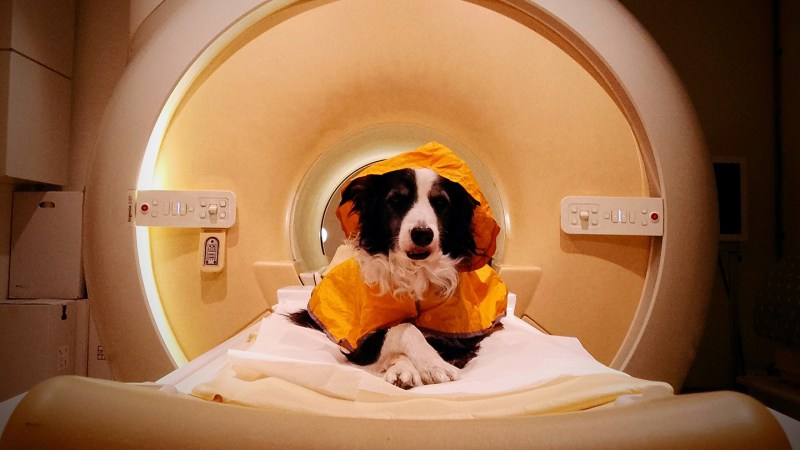
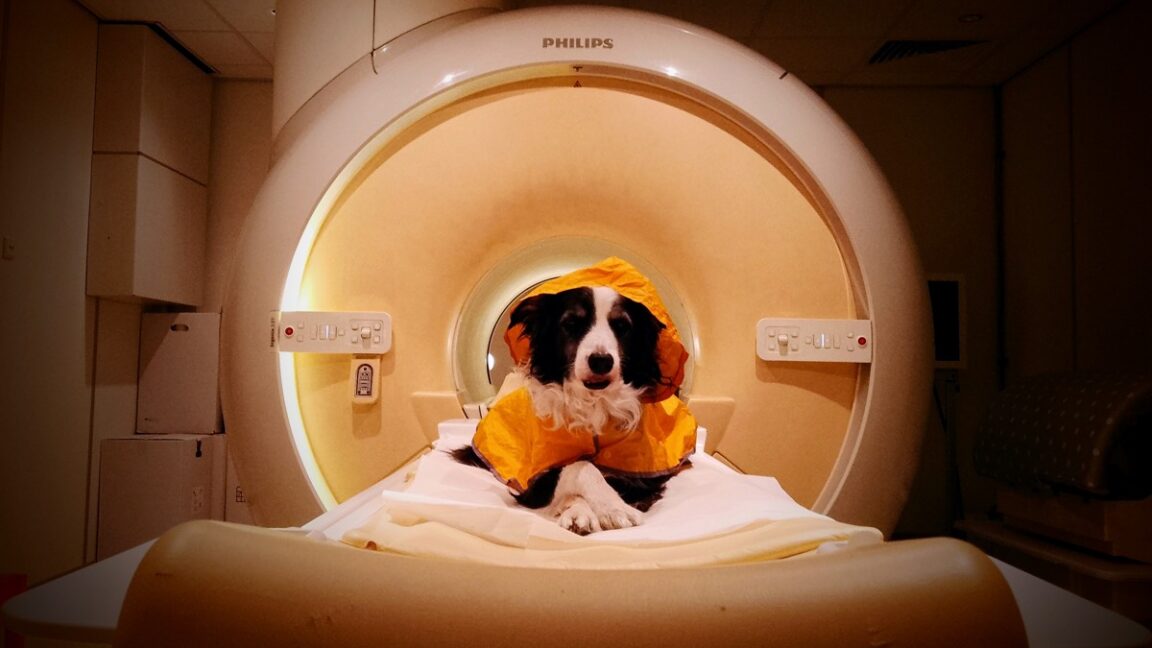
Scientists—and dog lovers—have long known that dogs are remarkably good at interpreting our laughs, frowns and tears. But the biology behind this ability has remained largely unexplored until now. In a study published in the journal iScience on Aug. 7, researchers peered inside the brains of dogs as they viewed images of various human expressions. The brain scans revealed that dogs process smiles…

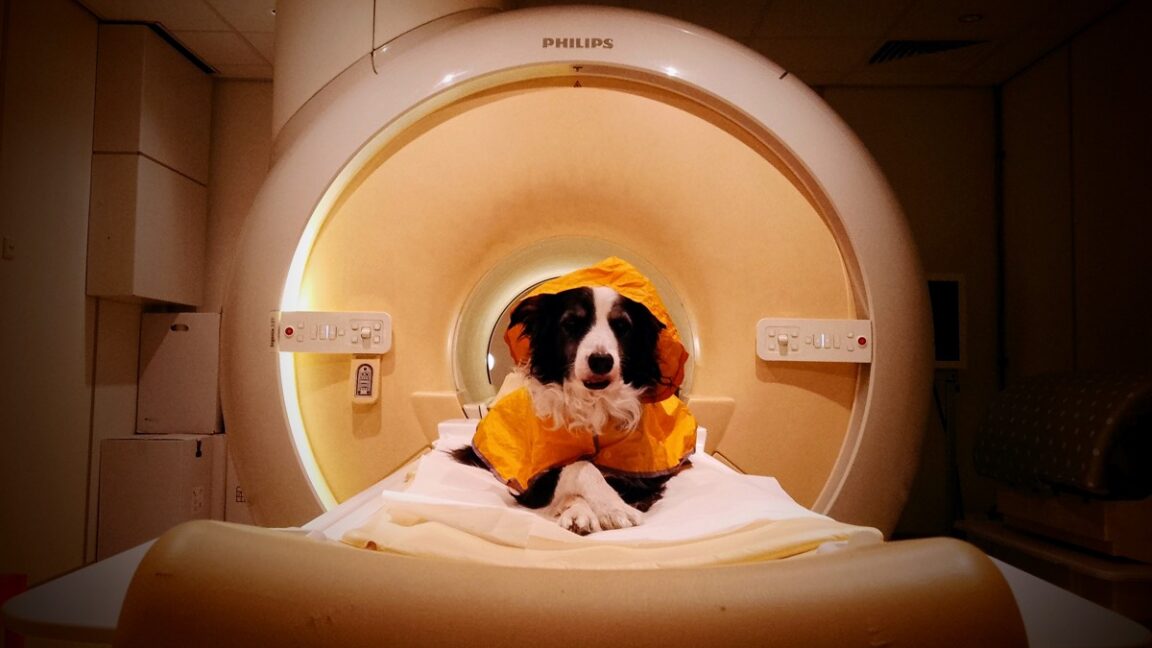
An MRI study published in the journal iScience on August 7 has revealed that dogs can distinguish between human fear and sadness, among other facial expressions. Scientists from the University of Vienna and the National Autonomous University of Mexico conducted the research, which involved scanning the brains of eight dogs while they viewed images of human expressions.
The findings suggest that dogs process smiles in a unique brain region and can differentiate between negative facial expressions, including anger, sadness, and fear. Previous studies have shown that dogs are particularly adept at recognizing happiness, which activates specific brain regions associated with higher cognitive and reward processing.
The study also found that dogs' brain responses to happiness differ from their responses to negative emotions, allowing researchers to easily distinguish between smiles and fear, anger, and sadness. However, the researchers emphasize that dogs do not experience emotions in the same way humans do and that their ability to distinguish specific negative facial expressions does not imply human-like emotional experiences.
The study's findings highlight the unique social and emotional abilities that dogs have developed through domestication, enabling them to understand and cooperate with humans. The researchers plan to continue studying how dogs integrate brain signals to process human cues and to compare how human and dog brains process emotional signals.
Written by urgent.news from Phys.org's reporting — not their text. Machine-written — may contain errors; check the original before relying on it.