Many States Cover Doula Care, but Access to a ‘Birthing Bestie’ Is Often Out of Reach
Virginia Medicaid started covering doula care four years ago. But logistical and administrative challenges leave many expectant parents without the support of a doula.
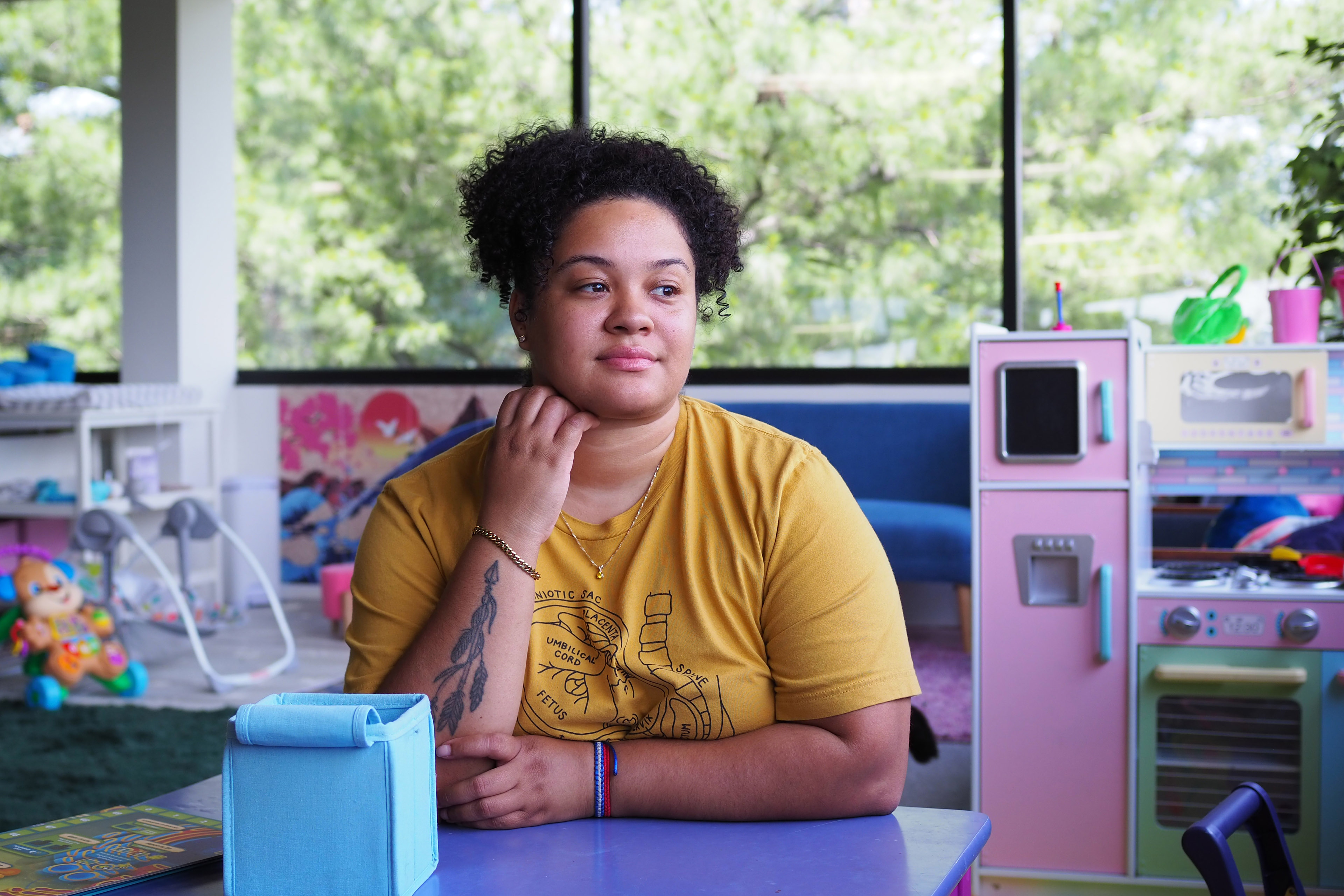
Doula care is often inaccessible to many expecting parents, despite some states covering the services through Medicaid. The founder of The Momager Co., a doula agency in Alexandria, Virginia, Taja Iglesias, echoes this sentiment. Iglesias, who has firsthand experience with her own birthing journey, felt isolated and her preferences were dismissed by medical staff. This led her to establish The Momager Co., offering a range of services including education, advocacy, and postpartum support.
In 2022, Virginia became the fourth state to cover doula services via Medicaid, a move aimed at addressing high maternal mortality rates. However, the coverage and the number of visits reimbursed vary by state, and in Virginia, the Medicaid program's administrative and logistical challenges are causing fewer doulas to participate. Only 19 doulas in Northern Virginia accept Medicaid payments, a number that could be reducing access for Medicaid beneficiaries.
According to Iglesias, the certification process is cumbersome and costly, with doulas paying $75-$150 for certification. She prefers to provide doula care for Medicaid parents outside the system, citing the need for a more personalized approach that addresses the community aspect of the work. Despite these challenges, the expansion of Medicaid coverage of doula services is seen as a step in the right direction, though it's clear that more needs to be done to ensure equal access for all expecting parents.
Written by urgent.news from KFF Health News's reporting — not their text. Machine-written — may contain errors; check the original before relying on it.