Korea showing signs of improvement on robust chip industry: KDI
The Korean economy is showing signs of a "broader improvement" on the strong performance of chip-related industries, a state-run think tank said Monday, although uncertainties in the Middle East are expected to intensify inflationary pressures. "The Korean economy showed signs of broader improvement, led by semiconductor-related sectors," the Korea Development Institute (KDI) said in its monthly…
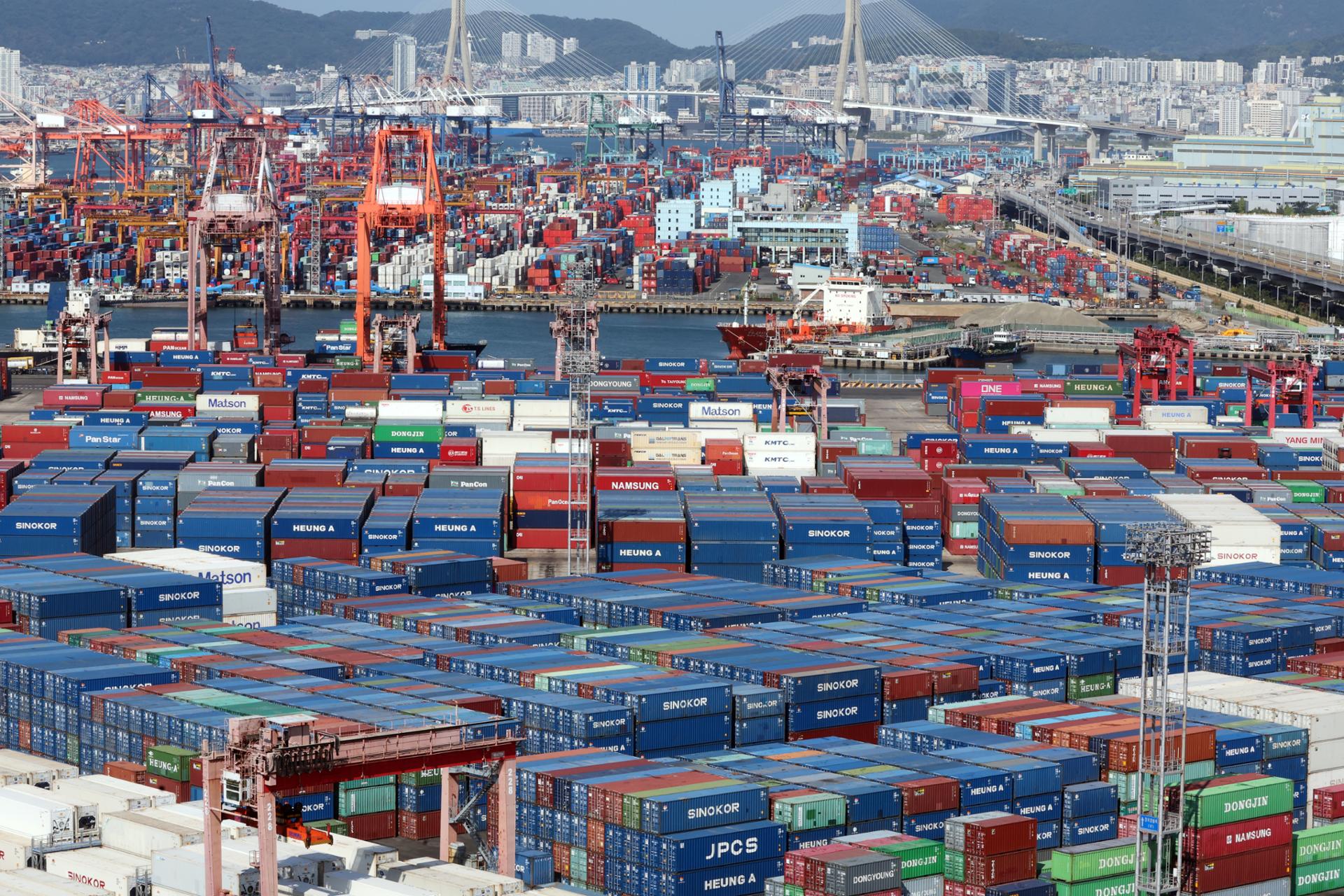
The Korean economy demonstrated signs of robust growth in July, propelled primarily by the thriving performance of semiconductor-related industries, according to the Korea Development Institute (KDI), a government-affiliated research organization. In its monthly economic assessment, the KDI noted a significant surge in exports and equipment investment, both of which were largely driven by the semiconductor sector.
Concurrently, consumption growth experienced a noticeable acceleration, primarily fueled by the increase in demand for durable goods. The institute further highlighted that all-industry production witnessed a relatively high rate of growth, as services continued to exhibit a favorable trend and manufacturing sectors showed a strong rebound.
However, despite these positive developments, the KDI cautioned that Korea, the world's fourth-largest economy, continues to grapple with several uncertainties. These include the potential impacts of U.S. tariff policies and ongoing geopolitical instability in the Middle East. Additionally, the country is facing challenges stemming from persistently high inflation levels and weakening employment conditions.
July marked Korea's most successful month in terms of exports, with figures reaching the second-highest level ever recorded.
Written by urgent.news from The Korea Times's reporting — not their text. Machine-written — may contain errors; check the original before relying on it.
Also reported by 4 other outlets
- Korea showing signs of improvement on robust chip industry: KDI koreatimes.co.kr
- South Korea to launch $3.5 billion chip fund, speed development of semiconductor hubs economictimes.indiatimes.com
- South Korea plans to launch a ~$3.5B chip fund for promising materials, parts, equipment, and fabless companies, and speed the development of domestic chip hubs (Reuters) reuters.com
- S. Korea showing signs of improvement on robust chip industry: KDI en.yna.co.kr