India’s haemophilia diagnosis gap has an overlooked consequence: preventable vision loss
While bleeding that threatens vision is a rare occurrence in the eye, the diagnosis is usually delayed due to ambiguous symptoms with a very short window to take action. Better systems are needed to prevent vision loss due to haemophilia
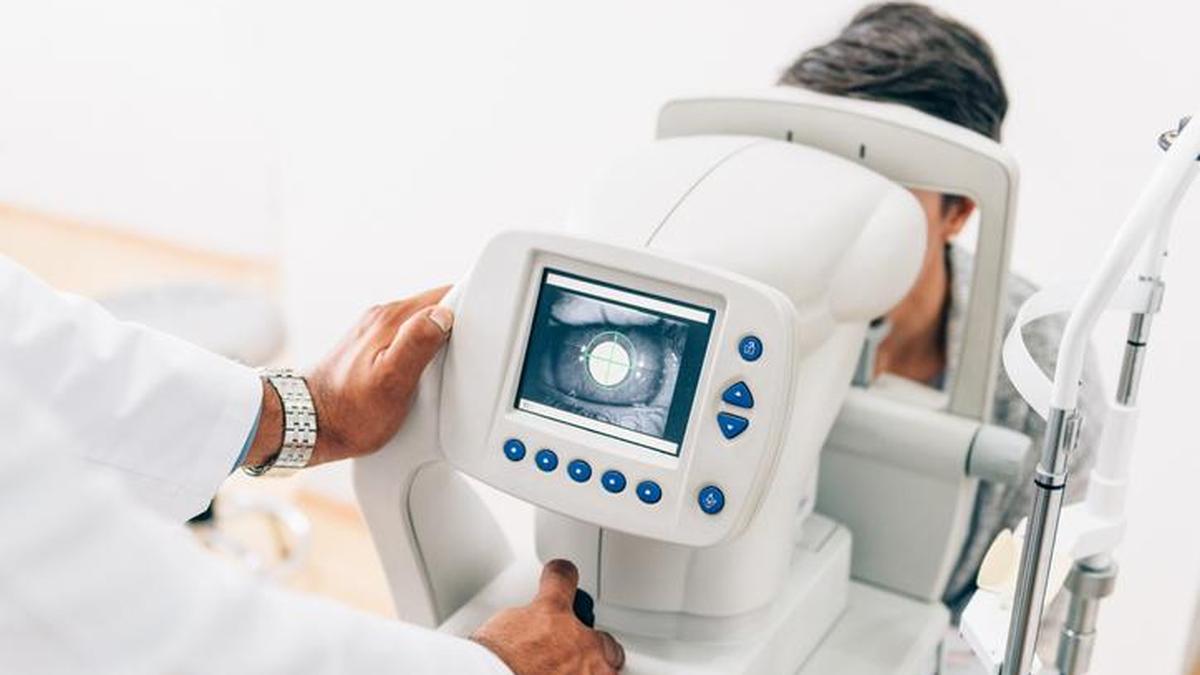
Haemophilia, a genetic bleeding disorder that prevents blood from clotting properly, is mostly inherited and can be passed from parent to child. Caused by a lack or improper functioning of certain clotting factors, this condition may lead to uncontrolled bleeding after injuries or without any apparent cause. India now ranks second in the world in terms of haemophilia cases.
A 2025 study in the Journal of the Association of Physicians of India found the diagnosed and registered haemophilia rate in India to be 0.9 per 100,000 people. However, the actual number of affected individuals is estimated to be around 136,000, based on statistical modelling. The issue lies in reaching those who haven't been formally diagnosed, due to low awareness and the limited number of diagnostic labs concentrated in a few major cities.
While the focus usually remains on the orthopaedic complications, like repeated joint bleeds and arthropathy, less attention is given to the impact on vision. When haemophilia goes undiagnosed, vision loss becomes irreversible. A retrospective study of haemophilia patients at a government hospital in India revealed that 13% of all recorded bleeds were related to the eye.
Types of bleeding included anterior segment issues (front of the eye), subconjunctival haemorrhage, periorbital ecchymoses (bruising around the eye), and hyphaema (blood pooling inside the front chamber). Posterior segment bleeding, which occurs behind the lens, accounted for around 1.8% of patients, often leading to permanent vision loss.
A sudden one-sided headache in a 45-year-old man with moderate haemophilia, who had no other illnesses, turned out to be the result of an intraorbital haemorrhage, resulting in the loss of that eye. Diagnosis of bleeding that threatens vision is often delayed due to ambiguous symptoms, and patients may not seek help until it's too late.
Emergency surgery for other conditions may also lead to bleeding in the eye, causing further complications. Factors such as a lack of family history in about a third of haemophilia cases and delayed detection of mild haemophilia until adulthood do not provide reassurance.
Standard clinical baselines for ocular surgery recommend clotting factor levels at 70% to 80%, with at least 50% in emergencies. Blood in the anterior chamber or vitreous is treated as an emergency. However, these measures become impossible if the diagnosis is unknown or if clotting factors are not readily available. A solution exists: pre-operative checklists should include a line specifically asking about prolonged bleeding after tooth extraction, easy bruising, and heavy menstrual periods.
Additionally, APTT (Activated Partial Thromboplastin Time) and factor assays should be conducted whenever ocular bleeding appears disproportionate to the trauma that caused it. Establishing referral links between district eye units and the nearest haemophilia treatment centre is crucial. Despite joint damage occurring over years and being partly rehabilitable, an eye cannot be repaired if lost. The focus must be on preventing vision loss due to India's haemophilia diagnosis gap.
Written by urgent.news from The Hindu Health's reporting — not their text. Machine-written — may contain errors; check the original before relying on it.
This story
This is one outlet's version. Read the fullest account.