India’s haemophilia diagnosis gap has an overlooked consequence: preventable vision loss
While bleeding that threatens vision is a rare occurrence in the eye, the diagnosis is usually delayed due to ambiguous symptoms with a very short window to take action. Better systems are needed to prevent vision loss due to haemophilia
Haemophilia, a genetic disorder that impairs blood clotting, is commonly inherited and can be passed from parent to child. The condition arises due to insufficient or malfunctioning clotting factors, leading to uncontrolled bleeding after injuries or spontaneously. India faces the second-largest burden of haemophilia globally. According to a 2025 review in the Journal of the Association of Physicians of India, around 0.9 cases per 1,00,000 individuals in India are diagnosed and registered, but statistical modeling suggests a higher true burden of approximately 136,000 cases.
Diagnosing haemophilia poses challenges due to low awareness and the concentration of diagnostic laboratories in a few metropolitan areas, resulting in delayed treatment and increased complications.
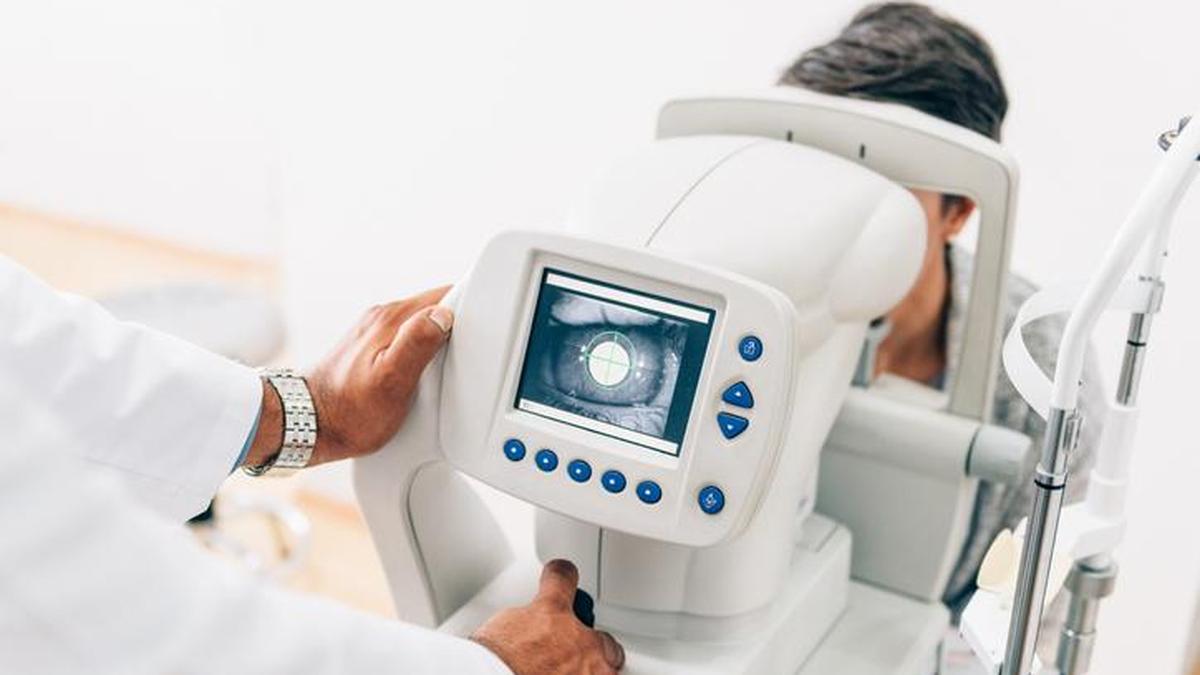
The impact of haemophilia extends beyond orthopaedic issues, affecting the eyes and vision irreversibly when not addressed. A retrospective study at a government hospital in India revealed that eye-related bleeds constituted 13% of all recorded haemophilia-related bleeds, including anterior segment bleeding, subconjunctival haemorrhage, periorbital ecchymoses, and hyphaema.
One patient, a 45-year-old man with moderate haemophilia, underwent emergency surgery for a headache that was later diagnosed as intraorbital haemorrhage, resulting in the loss of the affected eye.
Timely diagnosis remains elusive due to ambiguous symptoms and a limited window for intervention, as common tests for clotting factor deficiencies are not routinely included in standard pre-operative panels. Compounding the issue, about a third of haemophilia patients have no family history, and mild forms often go undetected until adulthood, often triggered by dental procedures, accidents, or surgery.
Standard clotting factor levels for ocular surgery range from 70% to 80%, with a minimum of 50% in emergencies, highlighting the urgency of early intervention.
To mitigate the risk of vision loss, pre-operative checklists should include questions about prolonged bleeding after tooth extractions, easy bruising, and heavy menstrual periods. Testing for Activated Partial Thromboplastin Time and factor assays should be conducted whenever ocular bleeding appears disproportionate to the trauma.
Establishing referral links between district eye units and the nearest haemophilia treatment centre is crucial. While joint damage accumulates over time and can be partially rehabilitated, an eye cannot be restored once damaged. Addressing the haemophilia diagnosis gap in India is essential to prevent irreversible vision loss.
Written by urgent.news from The Hindu - Sci-Tech's reporting — not their text. Machine-written — may contain errors; check the original before relying on it.