Ghana’s forts and castles are warning us: Climate change is also a cultural crisis
The government’s announcement of a $4.5 million Korea-Ghana Heritage Project to address the impact of climate change on Ghana’s forts and castles is therefore more than a conservation intervention. It is a recognition that climate change is becoming a threat to the country’s cultural memory.
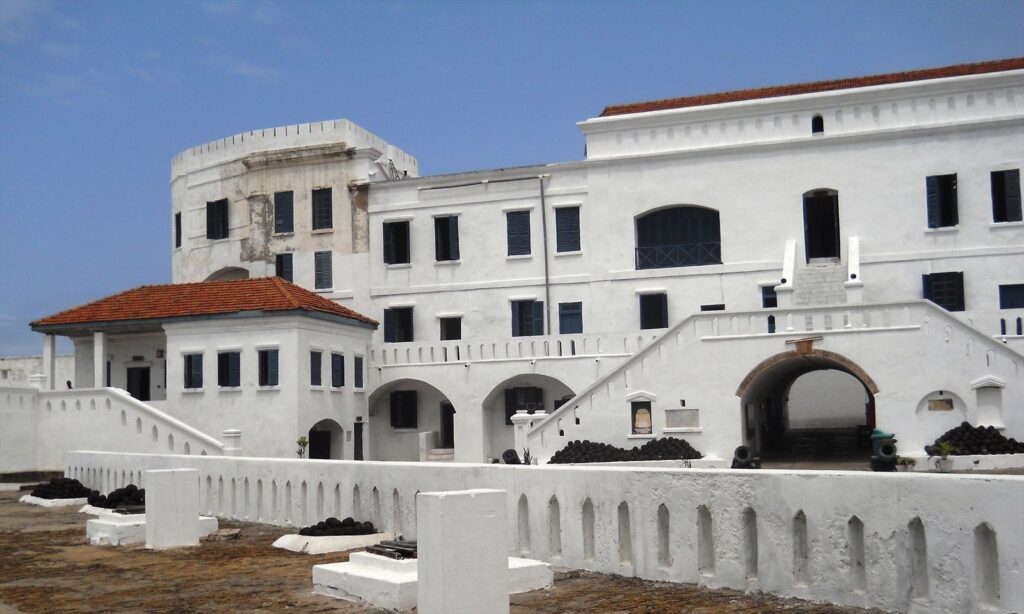
Ghana's climate conversation has traditionally centered around issues such as rising temperatures, erratic rainfall, flooding, coastal erosion, food security, and the well-being of vulnerable communities. However, a crucial aspect of the climate crisis that requires greater emphasis is the impact on the country's historical sites, including its forts and castles.
The government's recent announcement of a $4.5 million Korea-Ghana Heritage Project aims to address the threats posed by climate change to these important cultural landmarks. This initiative is not merely a conservation effort but a recognition that climate change poses a threat to Ghana's cultural memory. The five-year project, set to run from 2026 to 2030, will initially concentrate on six heritage sites in the Greater Accra Region, including Ussher Fort, Christiansborg Castle, and Fort Fredensborg.
These sites are at risk of coastal erosion, flooding, salt-induced deterioration, structural instability, and extreme weather conditions. These challenges are not just architectural concerns; they are climate and cultural issues. Heritage sites are not merely collections of bricks, stone, and mortar; they are physical records of a people's history, carrying stories, memories, identities, and experiences from one generation to another.
Ghana's forts and castles occupy a unique place in this history, representing the country's involvement in the transatlantic slave trade and colonialism while also serving as vital sites of memory, education, tourism, and historical reflection. Losing these sites would mean losing physical spaces through which future generations can learn about the past.
The Korea-Ghana project encompasses various interventions, including establishing climate-risk assessment and monitoring systems, developing climate-response policies, strengthening institutional capacity, creating integrated data and climate-risk mapping systems, and promoting community participation. These measures are essential as climate change transitions from a distant environmental concern to a direct threat to cultural assets.
The project also offers valuable insights for Ghana's broader climate policy. Climate adaptation should not only focus on preserving what sustains our bodies and economies but also on safeguarding what preserves our collective memory. The impact of climate change extends far beyond heritage sites; it threatens various aspects of Ghana's cultural ecosystem, including festivals, outdoor concerts, museums, archives, traditional buildings, and tourism destinations.
The creative businesses that rely on these spaces are also at risk. Culture and climate change may seem separate, but they are increasingly interconnected. Climate change not only jeopardizes cultural sites but also presents opportunities for creative responses. Artists, filmmakers, musicians, fashion designers, architects, content creators, museums, tourism operators, and festival organizers can all contribute to climate action through sustainable practices and innovative solutions.
Acknowledging the connection between culture and climate can transform the conversation around Ghana's climate policy and help build a more resilient future.
Written by urgent.news from MyJoyOnline Ghana's reporting — not their text. Machine-written — may contain errors; check the original before relying on it.