‘China Shock 2.0’ reshuffles winners, losers
European and US governments argue that a new wave of subsidised Chinese EV and green-tech exports is undercutting local producers and threatening industrial jobs.
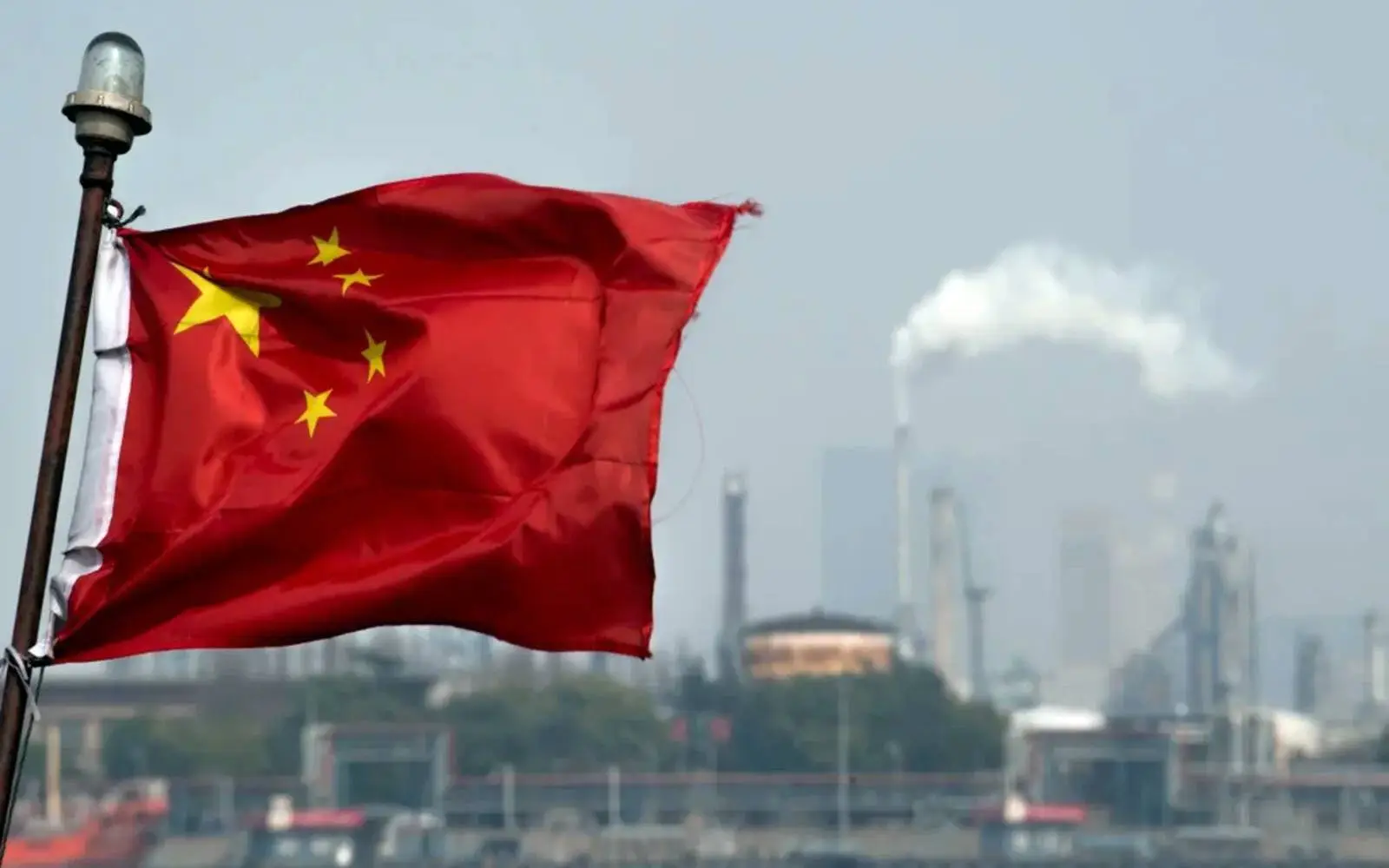
China is experiencing a "China Shock 2.0," trying to export its way out of domestic economic struggles and reshuffling winners and losers at home. In July, the country posted a 24% year-on-year export growth and a US$113 billion trade surplus, with similar growth in June. Despite this, China's GDP growth slowed to 4.3% in Q2, with retail sales declining by 0.6% in May and 1.3% in June. Beijing's strategy has triggered trade disputes abroad, but at home, it is creating new potential beneficiaries.
Western policymakers have dubbed this shift "China Shock 2.0," echoing the early 2000s when China's rise as a manufacturing exporter disrupted industries in Europe and the US. Governments argue that Chinese subsidised EV and green-tech exports are undercutting domestic producers and threatening jobs. In response, Europe has imposed sectoral tariffs, tightened cybersecurity requirements, and urged China to appreciate its currency. The US has also continued to pressure China through tariffs.
However, China has only made modest efforts to boost domestic consumption. To protect lucrative international revenue streams, domestic firms are increasingly manufacturing directly in consumer markets, bypassing trade barriers and insulating supply chains from geopolitical disruptions. This policy shift is part of Beijing's "Globalization Phase 3.0."
The firms positioned to benefit from these policy changes are mainly those dominating China's export sectors, such as EVs, batteries, and consumer electronics. Companies like BYD, Geely, CATL, Midea, and Haier, as well as producers of critical technological components like Zhongji Innolight and Eoptolink, have large production pipelines in Southeast Asia, helping them avoid potential trade disputes with Western clients.
Beijing may attempt to correct the currency's deep undervaluation by allowing appreciation, potentially benefiting companies with significant euro- or dollar-denominated debt, including state-owned enterprises like Sinopec and major airlines like Air China, China Southern, and China Eastern. However, these companies should still watch for headwinds, such as domestic price wars and exogenous shocks, like the US-Iran conflict and high energy prices.
Written by urgent.news from Free Malaysia Today's reporting — not their text. Machine-written — may contain errors; check the original before relying on it.
This story
This is one outlet's version. Read the fullest account.
- ‘China Shock 2.0’ reshuffles winners, losers freemalaysiatoday.com