‘China Shock 2.0’ reshuffles winners, losers
European and US governments argue that a new wave of subsidised Chinese EV and green-tech exports is undercutting local producers and threatening industrial jobs.
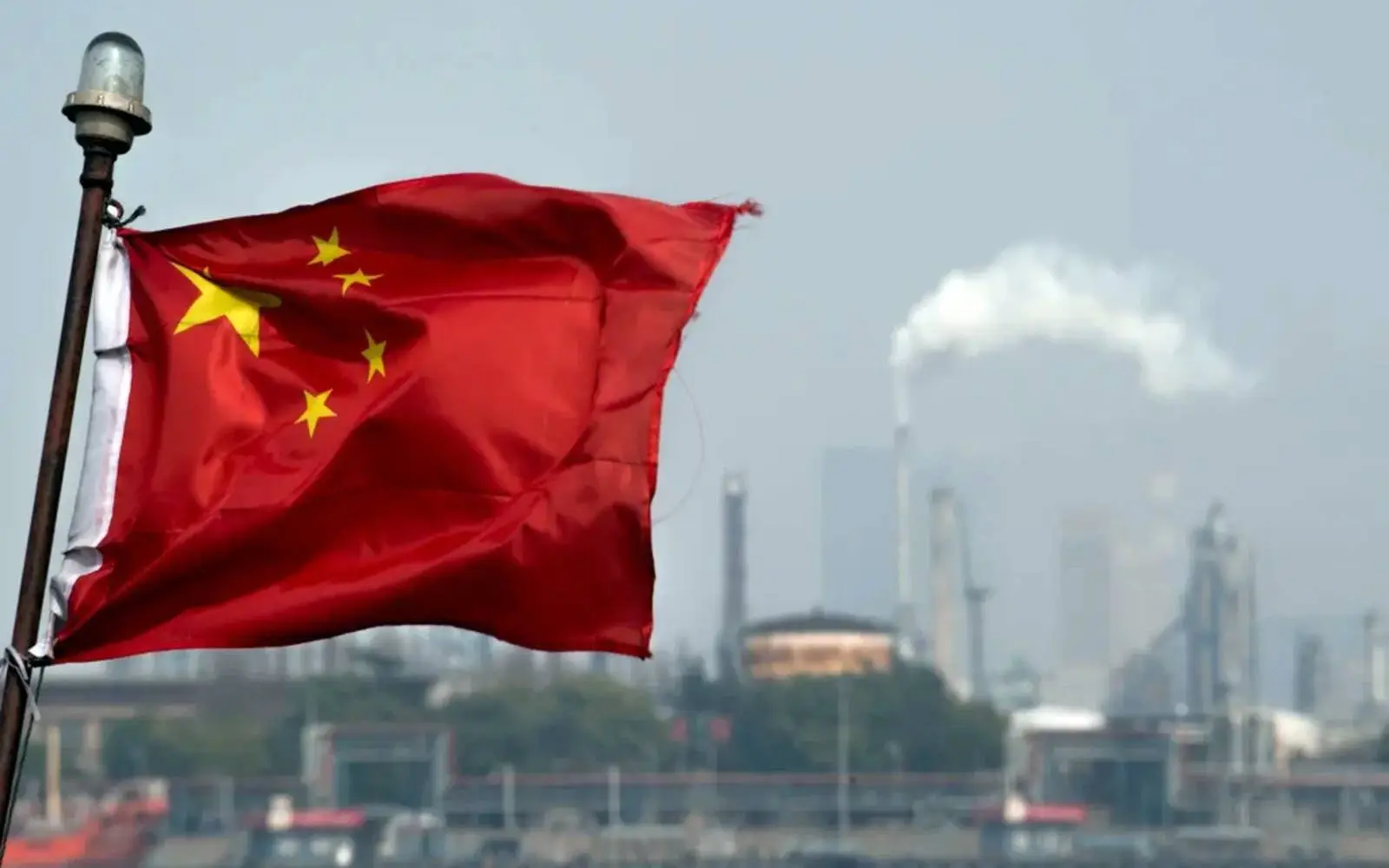
China is attempting to improve its economy by focusing on exports, which has led to a perceived "China Shock 2.0" impacting both international trade and domestic industries. The country achieved a 24% year-on-year export growth in July, along with a US$113 billion trade surplus. However, the Chinese economy has struggled with only 4.3% GDP growth in the second quarter of 2026, and declining retail sales.
Many Western governments, including the US, have dubbed this strategy as a new wave of subsidised Chinese exports, which they argue are undercutting domestic producers and threatening industrial jobs, particularly in Europe. In response, Europe has implemented tariffs, tighter cybersecurity requirements, and urged China to appreciate its currency. Meanwhile, the US has doubled down on tariffs.
To mitigate the effects of a weakening domestic market, Chinese companies have begun manufacturing directly in core consumer markets to bypass trade barriers and insulate supply chains from geopolitical risks. This strategic shift is part of Beijing's Globalization Phase 3.0 initiative.
Some companies, particularly those in the EV and battery supply chains, are positioned to benefit from these policy changes. Companies such as BYD, Geely, CATL, Midea, and Haier, as well as those producing critical technological components like Zhongji Innolight and Eoptolink, are national champions in these sectors. They have diversified manufacturing bases and supply chains, giving them an advantage in the global market.
However, not all companies will be immune to the trade tensions. For example, the US is considering prohibiting imports of new models of Chinese data centre components. Additionally, the Chinese yuan has appreciated against the US dollar and euro, which could benefit companies with significant euro-denominated debt or those with large dollar-denominated debt burdens. Nevertheless, headwinds such as domestic price wars and exogenous shocks, like the US-Iran war, could still impact the performance of these companies.
Written by urgent.news from Free Malaysia Today's reporting — not their text. Machine-written — may contain errors; check the original before relying on it.
Also reported by 1 other outlet
- ‘China Shock 2.0’ reshuffles winners, losers freemalaysiatoday.com