With Japan, China faces a corrosive security dilemma
Japan’s 610-page 2026 defence white paper cements a strategic shift: Tokyo has labelled China an “unprecedented and the greatest strategic challenge” for the fourth straight year, a framing dating back to 2014, when a Japanese white paper first flagged Beijing’s East China Sea Air Defence Identification Zone as risking unintended incidents. Japanese Prime Minister Sanae Takaichi has not altered…
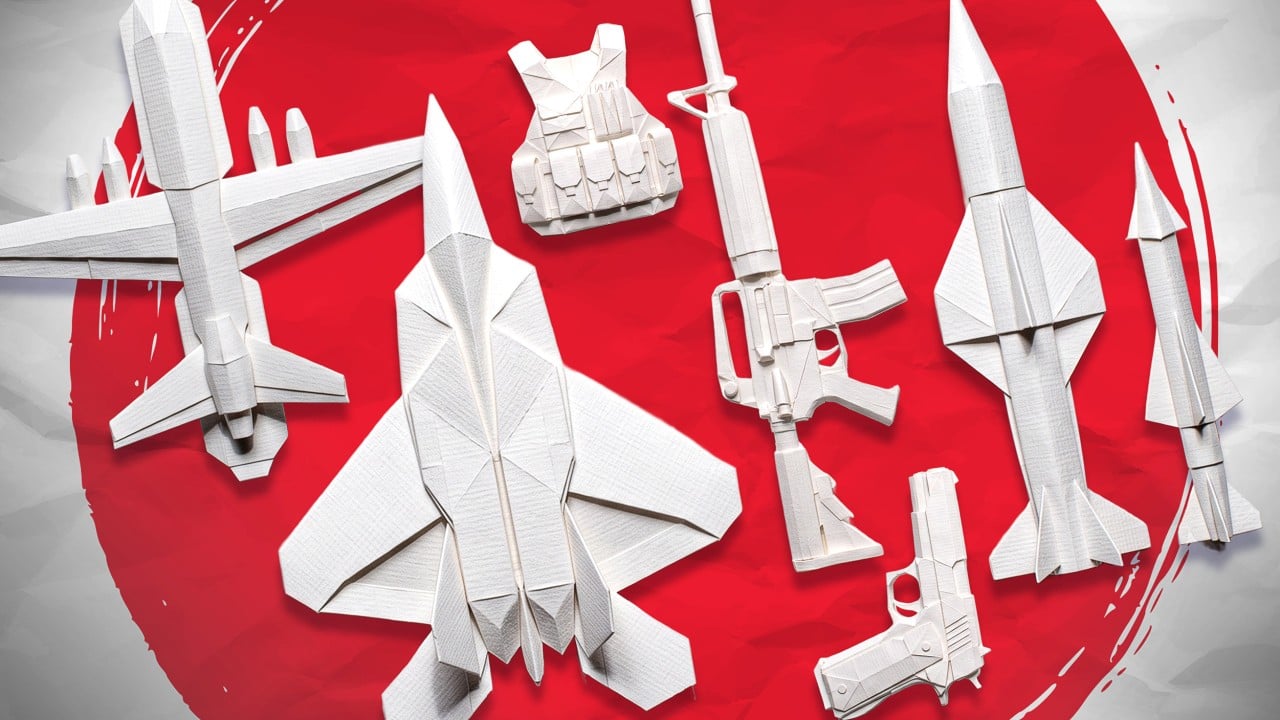
Japan's 2026 defence white paper paints a picture of an increasingly strategic challenge from China, framing Beijing as the greatest threat for the fourth consecutive year. Prime Minister Sanae Takaichi has accelerated this trajectory, even as US President Donald Trump visited China in an attempt to soothe ties. Tokyo, Manila and Seoul have drawn lessons from the Iran war, which has strained US interceptors, forcing the Pentagon to move assets from South Korea to the Middle East.
This strategic shift aligns with Beijing's assessments of alliance fragility and raises concerns about autonomous powers rearming.
Chinese drills around Taiwan are seen by Tokyo as attempts to normalise its military presence. Japan alleges these drills aim to legitimise a fait accompli, while Beijing insists they are necessary for protecting sovereignty. The white paper highlights grey-zone blockades and a tilting cross-strait balance as triggers, with incidents like the Liaoning aircraft carrier's deployment in the Pacific and the first simultaneous Pacific deployment of two aircraft carriers serving as evidence. China maintains these operations are consistent with international law and practices.
The white paper categorises East and South China Sea issues, as well as the Taiwan Strait, as a single threat, branding China-Russia patrols as demonstration activities. This new framework draws lessons from Ukraine's use of drones and artificial intelligence in warfare, with Japan's defence production section calling for a "defence capability itself" approach.
China perceives Japan's plan for a "gap-free" surveillance network as direct monitoring, and the launch of the National Intelligence Bureau on July 31 has heightened miscalculation fears.
These moves by Japan complement Takaichi's lifting of restrictions on the export of military equipment, including lethal weapons. Japan's defence budget has reached a record 9 trillion yen (US$57 billion) this year, while the country has revised three core security documents. Beijing views Japan's reorganisation of the Air Self-Defence Force into an Air and Space Self-Defence Force as preparation for space domain operations.
The white paper's acknowledgement of insufficient munitions and fuel stockpiles suggests Tokyo is preparing for protracted conflict, a scenario China has long sought to avoid diplomatically.
Written by urgent.news from South China Morning Post's reporting — not their text. Machine-written — may contain errors; check the original before relying on it.
This story
This is one outlet's version. Read the fullest account.
- Typhoon Dolphin: more than a million people evacuated in China as record rainfall dumped on Shanghai theguardian.com
- Typhoon Dolphin weakens but disrupts travel in east China hongkongfp.com
- Typhoon Dolphin batters Japan’s Okinawa before bearing down on China island.lk
- Typhoon Dolphin hits China's east coast, over 1 million evacuated cbc.ca
- Typhoon Dolphin weakens but disrupts travel in east China channelnewsasia.com
- Flights cancelled, evacuations as Typhoon Dolphin hits China abc.net.au
- Typhoon Dolphin weakens but disrupts travel in east China freemalaysiatoday.com
- Typhoon Dolphin weakens but disrupts travel in east China hindustantimes.com