India’s ‘cockroach’ protest movement keeps heat on Modi
Led by the online Cockroach Janta Party, protests across India over exam irregularities have exposed deeper frustrations among young Indians.
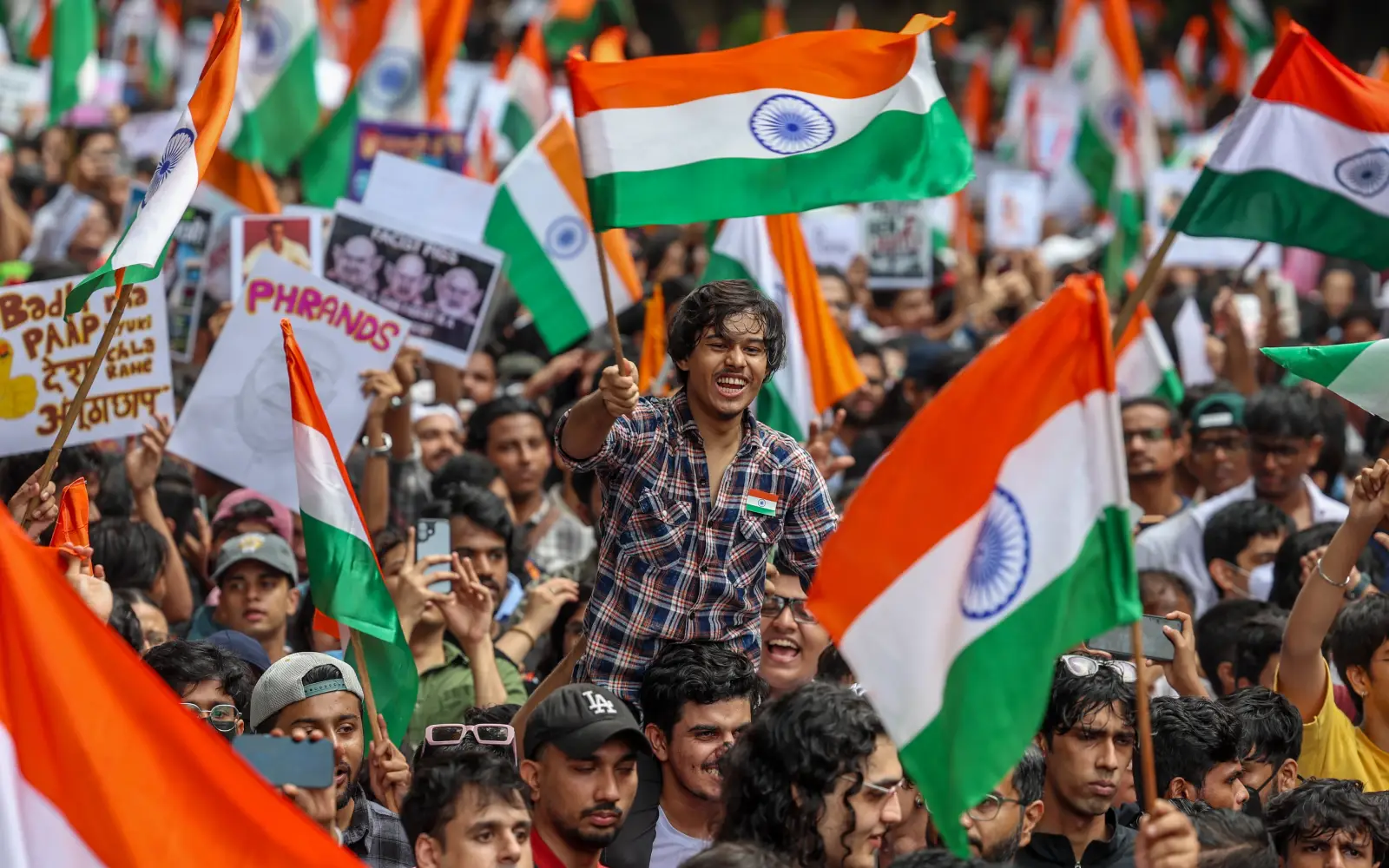
Two weeks after youth-led demonstrations forced India's education minister to step down, Prime Minister Narendra Modi's government is navigating one of its most significant political challenges in recent years. Initiated by the online Cockroach Janta Party (CJP), the protests spread from New Delhi to other cities, evolving from a focus on exam irregularities to encompass broader concerns such as unemployment, opportunities for young people, and the increasing authoritarianism of Modi's rule.
Although demonstrations have largely concluded following the achievement of key demands, the protests have exposed Modi's vulnerabilities and the changing digital landscape in India. The resignation of the education minister on July 25 was a rare concession for a leader who has long projected an unyielding image. In response, authorities attempted to appease the youth, and parliament increased penalties for leaking exam papers.
Police also withdrew cases against protestors in several cities amid criticism of excessive force. The movement exposed India's rapidly evolving digital landscape, with protesters leveraging social media to disseminate their message. Modi, a prolific user of X, shifted to Instagram, releasing his first vertical videos to engage the youth on their preferred platform.
Simultaneously, authorities deployed AI-powered surveillance technology to monitor and identify demonstrators, raising concerns over privacy and the targeting of young activists. The protests also highlighted the extensive use of internet shutdowns by authorities, particularly in New Delhi, disrupting communication and forcing young protesters to seek alternative means of staying connected.
While the initial spark was the exam leak scandal, the protests quickly evolved into a broader critique of Modi's rule, encompassing issues such as job insecurity and the erosion of trust in institutions. For many young protesters, the promise of uncertain employment after years of study and intense examinations has become emblematic of a wider struggle for economic security.
This broader discontent lends the movement a potential for longevity beyond its initial cause. Despite the protests achieving their principal objectives, the Cockroach Janta Party retains a significant online following. The party plans to organize a "nationwide listening tour" to address the concerns of young Indians while continuing to support protests over exam irregularities.
Demonstrations remain active in Jharkhand, indicating that the underlying anger fueling the protests has not dissipated. Abhijeet Dipke, the founder of CJP, emphasized the need for a "public movement to restore trust and neutrality in public institutions," suggesting that the movement will function more as a pressure group than a political party.
The protests may compel India's political parties to prioritize the aspirations and grievances of young voters, recognizing the potential electoral impact of harnessing the energy and frustration expressed by this demographic.
Written by urgent.news from Free Malaysia Today's reporting — not their text. Machine-written — may contain errors; check the original before relying on it.
Also reported by 2 other outlets
- Why India's youth protest movement still poses a challenge for Modi channelnewsasia.com
- India’s ‘cockroach’ protest movement keeps heat on Modi japantimes.co.jp