Denisovan leg bones from Taiwan reveal large body size
Denisovans are an extinct archaic Homo group whose lineage diverged from the Neanderthal lineage approximately 550,000 years ago and were widely distributed across eastern Asia until ~45,000 years ago1-7. Their morphological features are known directly from the existing cranio-dental and phalangeal remains1,2,8-12. However, the body size and postcranial morphology of the Denisovans remain largely…
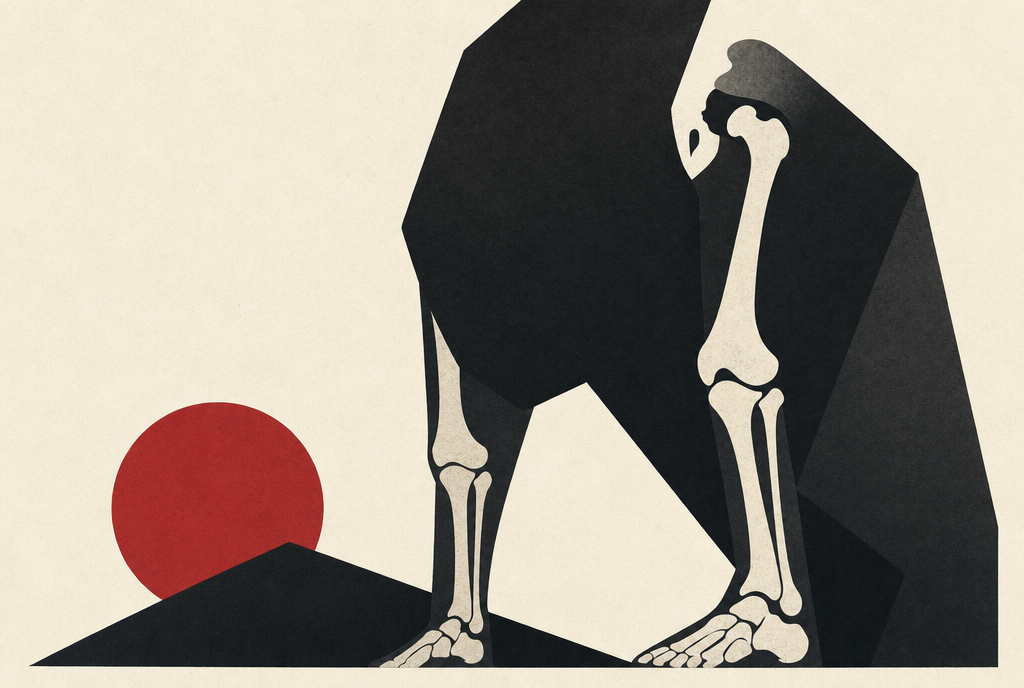
Recent discoveries of Denisovan leg bones in Taiwan have provided new insights into the body size of this extinct archaic Homo group. The femoral and tibial fossils found in the Penghu Channel region are among the largest leg bones known in Pleistocene Homo. Despite their generally archaic features, these specimens exhibit some modern human-like characteristics, such as a strong femoral pilaster.
This suggests that the Denisovans had a larger body size compared to earlier Homo erectus and late Pleistocene Homo sapiens in eastern Asia. This finding challenges the prevailing Bergmann's rule, which predicts a latitudinal decline in body size. Instead, it indicates that the large Denisovan brain may have been partly a result of their larger body size.
Additionally, the strong pilaster in the Penghu femur hints at potential behavioral similarities between Denisovans and Upper Palaeolithic modern humans, or possible gene flow from the latter to the former.
Written by urgent.news from bioRxiv's reporting — not their text. Machine-written — may contain errors; check the original before relying on it.
This story
This is one outlet's version. Read the fullest account.