Work-related stress in Germany reaches record high, report reveals
KKH data shows stress-related sick days in Germany rose 80 percent since 2017, reaching 119 days per 100 insured workers in 2025, the highest level recorded.
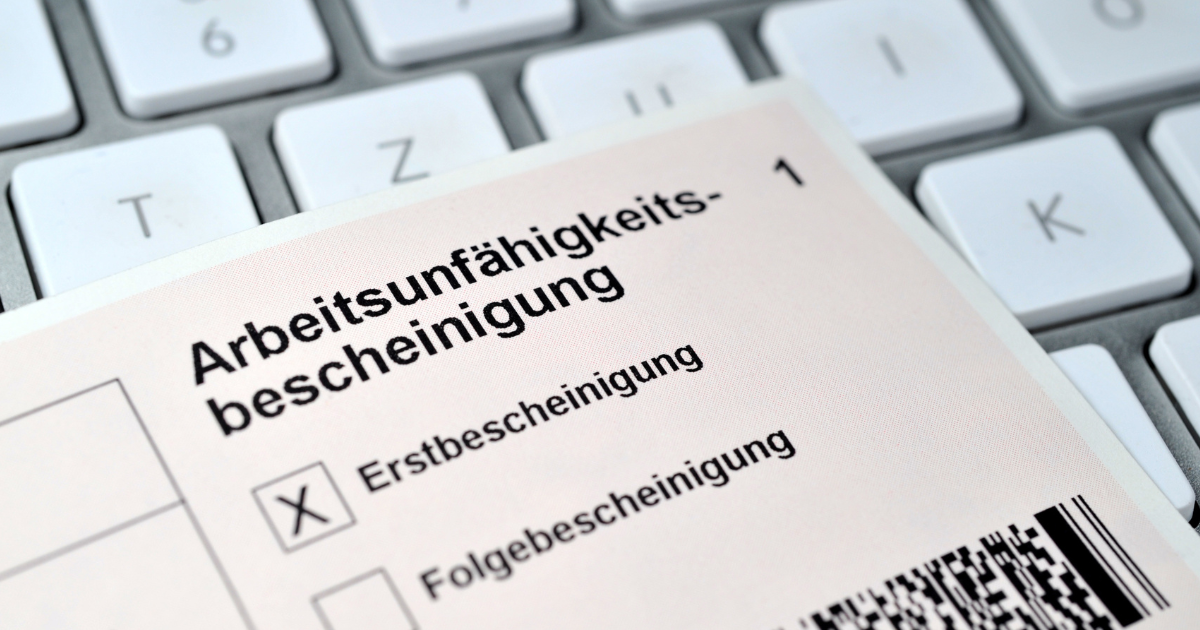
A report from health insurer KKH in Germany reveals a record-high level of work-related stress among employees. In 2025, nearly 119 sick days per 100 insured individuals were attributed to stress, a staggering 80% increase from the 66 days recorded in 2017. Stress reactions and adjustment disorders were the third most common reason for sick leave, trailing behind respiratory infections and back pain.
The surge in stress levels is attributed to several factors, including heavy workloads, mandatory overtime, low wages, financial concerns, and rising living costs. Disagreements at the workplace also contribute to the problem. Aileen Könitz, a KKH psychiatry expert, warns that the constant use of laptops and smartphones exacerbates the issue, creating an "invisible stress of ambiguity."
Despite increased flexibility and remote working options, technology keeps employees constantly connected, leading to the so-called "invisible stress of ambiguity" as Könitz puts it. Könitz describes modern work as exhausting due to its perceived overabundance and unresolved aspects.
While remote work offers flexibility, it can also trigger stress when there are no clear rules, blurring the line between work and personal life and making it difficult to disconnect and unwind. Over time, persistent workplace pressure and lack of rest can lead to chronic stress, fatigue, and burnout. Könitz stresses that both employers and employees must collaborate to prevent these health issues by establishing a clear structure, respecting breaks and time off, and promoting disconnecting from work to foster a healthier work-life balance.
Written by urgent.news from IamExpat Germany (All Germany News)'s reporting — not their text. Machine-written — may contain errors; check the original before relying on it.