Men to be offered prostate screening from age 45 under new guidelines
New guidelines released today will change the way men are screened for prostate cancer and lead to less invasive testing.
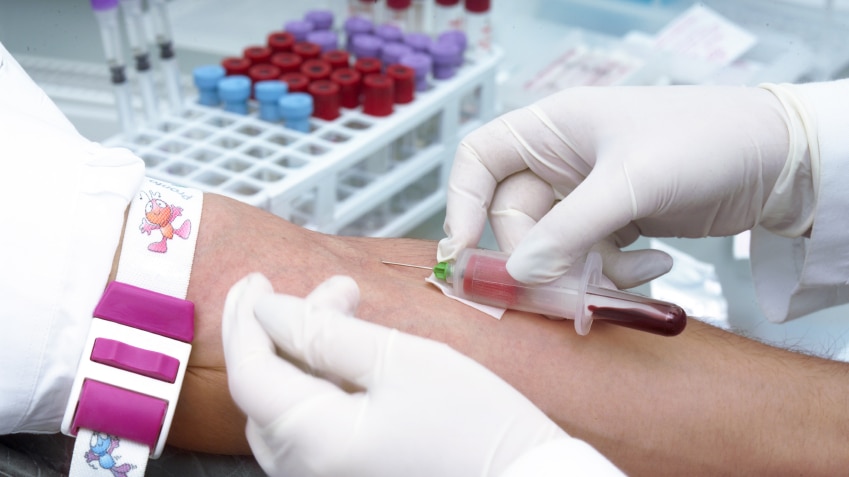
The Prostate Cancer Foundation of Australia has announced new guidelines, which will now allow doctors to offer prostate cancer screening to men as young as 45, extending the age range beyond the previous recommendation of 50. This change aims to improve early diagnosis and reduce over-diagnosis, as prostate cancer is the most diagnosed cancer in Australia, with an estimated 4,000 deaths last year.
Previously, digital rectal examinations were part of routine screening, but these examinations are no longer recommended as part of the new guidelines. Instead, the focus is on discussing the benefits and harms of PSA blood testing with patients, ensuring patient choice remains a key factor.
However, the new guidelines maintain the recommendation for routine testing every two years for those aged 50 to 69, and extend the testing to those over 70 if they have a life expectancy of over seven years. This decision is based on the fact that the average survival rate for prostate cancer in 70-year-olds is approximately 14 to 15 years. Additionally, men of Black sub-Saharan ancestry and those with the BRCA2 gene mutation are considered high-risk and should be tested every two years from age 45 to over 70.
The guidelines also stress the importance of using a special MRI instead of a biopsy when elevated PSA levels are detected, as this can eliminate 50 percent of cases that do not require biopsy. The MRI can help determine whether the abnormalities are non-cancerous. The digital rectal examination, previously a routine part of the screening process, is no longer recommended by GPs due to its inaccuracy and the psychological barriers men face regarding the rectal exam.
Recent evidence suggests this test is unreliable, and many men are hesitant to undergo it due to fear.
The guidelines prioritize individualized therapy and reduce the risk of over-treatment, which was a significant issue in the past when low-grade, non-aggressive prostate cancers were often treated aggressively, leading to serious side effects such as erectile dysfunction and urinary incontinence. The National Health and Medical Research Council has approved the guidelines, and the federal government has allocated $320,000 to the Royal Australian College of General Practitioners to develop an awareness program for doctors on the new changes.
The Prostate Cancer Foundation of Australia will apply for Medicare subsidization of expanded PSA testing and MRIs in the coming months.
Written by urgent.news from ABC News AU's reporting — not their text. Machine-written — may contain errors; check the original before relying on it.