Could geoengineering ‘ice arches’ help preserve Arctic sea ice?
Researchers are investigating whether artificially thickening ice blockages between Canada and Greenland could prevent huge amounts of sea ice from flowing south to melt
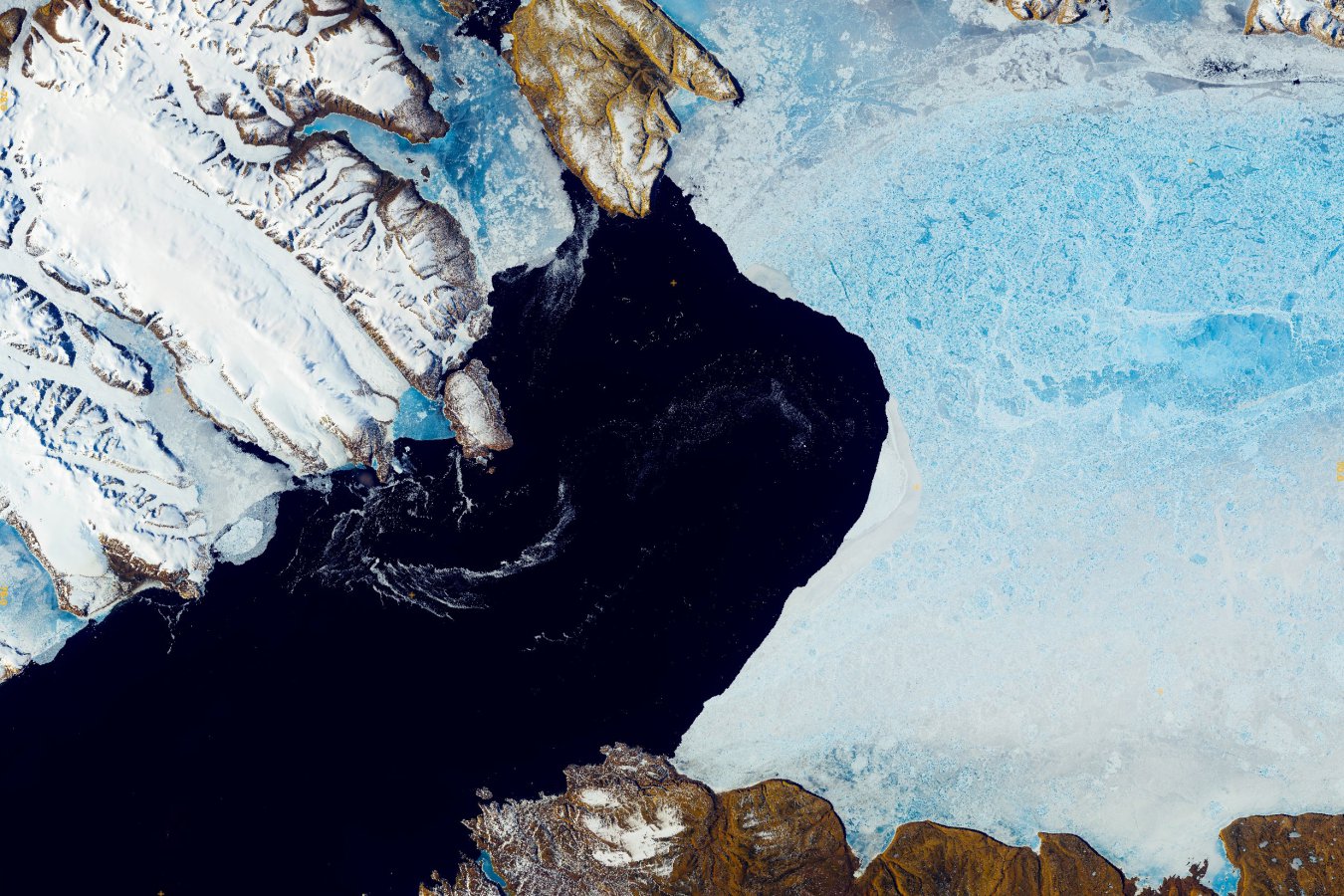
In 2011, Malcolm Davidson of the European Space Agency observed an arch of sea ice blocking the Nares Strait, a passage between Greenland and Canada's Ellesmere Island. This "ice arch" typically forms in the Arctic Ocean's northern and southern ends during winter. When it breaks apart in spring or summer, it allows sea ice to escape into the ocean. However, in recent years, the arches have been breaking up sooner, releasing an estimated 95,000 square kilometers of ice annually.
Davidson proposed that strengthening an ice arch could help preserve more sea ice and increase the Arctic Ocean's albedo, leading to a cooling effect. Unfortunately, the idea was abandoned after Davidson's collaborator died during a failed attempt to deepen the strait. Recently, however, there has been renewed interest in the concept. A UK government-funded project aims to thicken Arctic sea ice by drilling holes and pumping seawater onto it to freeze.
The Netherlands-based start-up, Arctic Reflections, is exploring whether this method could be applied to strengthen ice arches. Thickening just a few square kilometers of ice in the Nares Strait could trap tens of thousands of square kilometers of sea ice in the Arctic Ocean, potentially stabilizing sea ice extent and buying time to reduce greenhouse gas emissions. If successful, the technique could delay the loss of Arctic sea ice by decades.
While some polar scientists are skeptical about the practicality of using numerous pumping platforms in the remote Arctic, others see potential in the approach. Arctic Reflections is testing the method in Qikiqtarjuaq, a Canadian Arctic village, and will examine the durability of artificially thickened ice under high pressure. The organization also aims to develop an autonomous wheeled drone to perform drilling, pumping, and spraying.
Written by urgent.news from New Scientist's reporting — not their text. Machine-written — may contain errors; check the original before relying on it.