Stocks: Analysts expect new phase of volatility at SpaceX
After the end of the so-called lock-up period, the shares of the space company unexpectedly rose. However, analysts are worried about the consequences of the share flood.
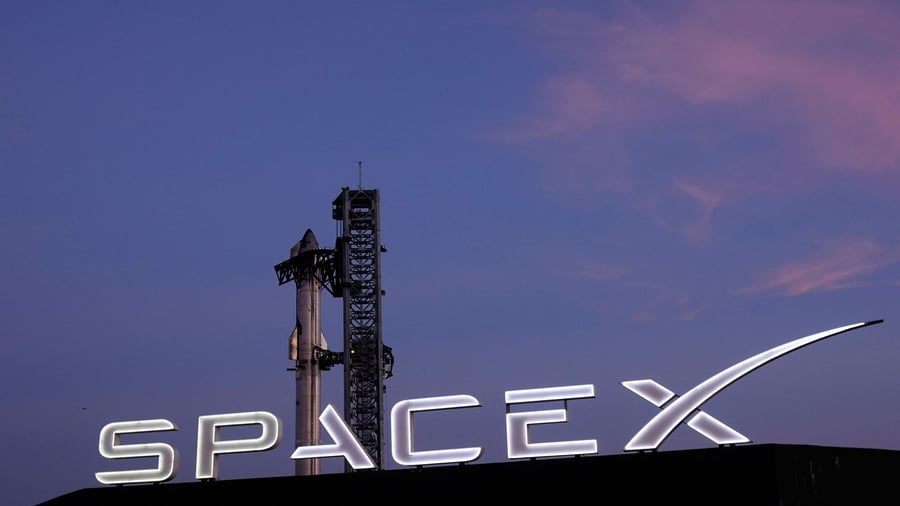
Shares in SpaceX recovered on Thursday after a longer downward trend. The stock rose by around 6 percent after losing 14 percent on Wednesday and falling below the issue price in recent weeks. On Friday, the stock is again significantly up in pre-market trading in New York.
Analysts warn, however, that a new phase of volatility is ahead for the stock. The reason is the end of the first so-called lock-up period for Elon Musk's space company on Thursday at the start of trading in New York. This means that certain employees and early investors can now trade the stock on the stock exchange for the first time. More than 255 million shares changed hands on Thursday, according to data from the news agency Bloomberg. This was as many as in the first phase of strong trading directly after the IPO.
Industry experts assume that many early investors have sold, as they are sitting on high book profits despite the price losses since the IPO. The fact that the stock could rise so sharply on Thursday is a sign that many investors have anticipated the lock-up period and sold by Wednesday.
Lock-up periods are imposed after IPOs to prevent shares from being dumped on the market immediately after the start and pushing the price down. Musk has opted for an unusual structure for the SpaceX IPO. There is not just one lock-up period, as is usual, but nine, which extend until the summer of 2027. This should cushion the price drops. However, this strategy could have the opposite effect, warn market observers.
"Due to the many lock-up levels, the stock can become even more volatile," says Maximilian Wienke, market analyst at the online trading platform Etoro. After all, investors may want to anticipate a new sell-off and throw shares onto the market before a new deadline.
The world's largest investment banks had orchestrated the SpaceX IPO in June. It was the largest IPO of all time, with Musk's company raising $85 billion from investors. At the time, however, SpaceX only brought a small part of the shares to market. The so-called float was 4.9 percent or 639 million shares. This meant that demand for the shares was exceptionally high for a short time.
With the expiry of the lock-up period, however, the tradable stock has now more than doubled to 11.8 percent of the outstanding shares. A billion-share tranche for early investors and employees will be released after the company presents its quarterly figures in November.
Musk, SpaceX's largest shareholder with over 6.4 billion shares, can only dispose of most of this package on June 27, 2027. In social media, this date is jokingly referred to as "Elon Day".
The extent to which the effects on the stock will be in the coming weeks is being intensely discussed on Wall Street. "It's unclear how many shares the employees and early investors actually want to sell," says Wienke. "Many employees are millionaires on paper and could now take the opportunity to cash in their shares - also to diversify their wealth."
In the seven weeks since the IPO, the SpaceX stock had initially shot up significantly. The all-time high was $225. However, the stock then fell by almost 50 percent and slipped significantly below the issue price of $135.
Analysts are therefore closely monitoring the behavior of employees and early investors. "If everyone dumps everything they have, the price was possibly driven too high in the IPO. If the insiders hold onto their shares, however, perhaps the remaining investors will also remain invested in the long term," says Michael Field, chief strategist at Morningstar.
According to his calculations, the SpaceX stock is still significantly overvalued. The fair value of the stock, derived from the company's fundamental properties, is $62, or around 45 percent below the current price of $115. This is significantly lower than the estimates of many other analysts. On average, they have a price target of $225.
JP Morgan Chase, America's largest bank, raised its price target on Wednesday from $225 to $240 in the next twelve months. JP Morgan CEO Jamie Dimon had personally campaigned for SpaceX among wealthy customers before the IPO and appeared alongside Elon Musk.
The record IPO has also generated record fees on Wall Street. The further development of the SpaceX stock is a pointer for upcoming large IPOs. Anthropic, a developer of models based on artificial intelligence (AI), plans an IPO in the fall and, like SpaceX, aims for a valuation of over $1 trillion.
Competitor OpenAI is said to have postponed its IPO to 2027, as the chances of also starting trading with a valuation of over $1 trillion are then better. SpaceX had gained almost 20 percent on the first trading day and was exactly on the target mark that many investment banks aim for on the first trading day.
The company temporarily achieved a market capitalization of over $2 trillion and was briefly worth more than the established US tech giants Amazon and Microsoft.
Translated by urgent.news. Machine-written — may contain errors; check the original before relying on it.