Uncle Sam aims to help nuclear energy find its sea legs
IAEA initiative tackles the rules for floating reactors and atom-powered civilian ships
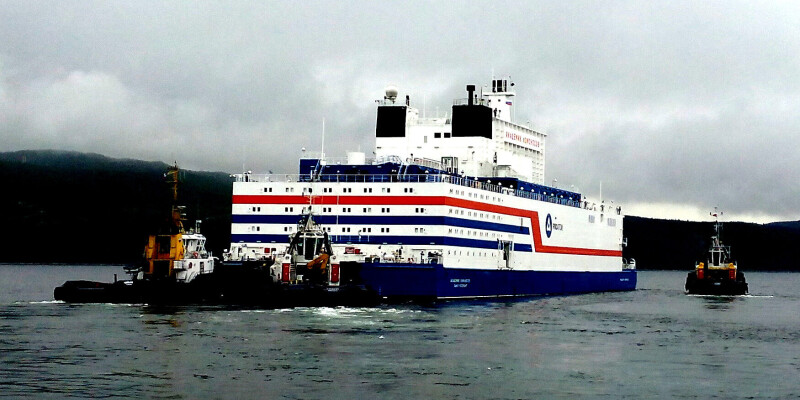
The United States is taking a leading role in an international effort to deploy nuclear power on civilian ships and floating platforms. The U.S. will host the inaugural meeting of the International Atomic Energy Agency's Atomic Technologies Licensed for Applications at Sea (ATLAS) initiative in Washington, D.C., on August 26 and 27. The goal of ATLAS is to address the legal, regulatory, safety, security, and liability challenges that must be overcome before maritime reactors can be commercially viable.
Ahead of the event, the U.S. will hold an Industry Day on August 25 to showcase the technology of American nuclear and maritime companies interested in the emerging market. U.S. Secretary of Energy Chris Wright emphasized the Department of Energy's commitment to increasing nuclear energy availability for industries like AI datacenters, emphasizing the importance of hosting ATLAS in supporting American energy leadership.
The initiative covers both civilian nuclear-powered ships and floating power plants, which could supply coastal communities or energy-intensive processes such as desalination. The Department of Energy is optimistic about the potential of small modular reactors (SMRs), citing their high energy density and long operating cycles that could make them ideal for maritime applications.
The U.S. has a long history with nuclear-powered vessels, with every active U.S. Navy aircraft carrier being nuclear-powered, offering virtually unlimited range without frequent refueling. While civilian nuclear ships have a precedent, with the NS Savannah being the first nuclear-powered merchant ship in 1959, they have often proven costly to operate. The IAEA hopes that SMRs will make maritime nuclear power more economically feasible.
Operating a nuclear reactor at sea introduces unique risks, such as limited access to emergency backup power for a plant in a remote location and the potential for radioactive contamination of the marine environment in the event of an accident. Despite these challenges, the global maritime sector is under pressure to ensure reliable and secure long-distance, high-speed operations, according to IAEA Director General Rafael Mariano Grossi.
SMRs are seen as a safe and viable option for maritime transport and offshore energy systems, offering high energy density and long operating cycles that eliminate the need for frequent refueling.
Written by urgent.news from The Register Science's reporting — not their text. Machine-written — may contain errors; check the original before relying on it.
This story
This is one outlet's version. Read the fullest account.
- Uncle Sam aims to help nuclear energy find its sea legs theregister.com