Uncle Sam aims to help nuclear energy find its sea legs
IAEA initiative tackles the rules for floating reactors and atom-powered civilian ships
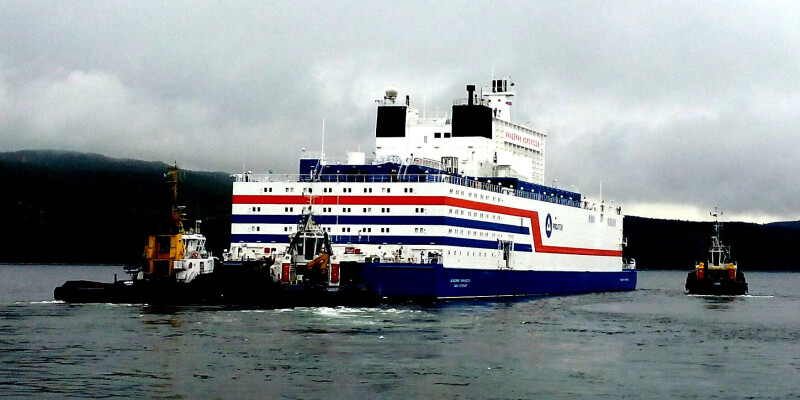
The United States is championing an international endeavor to integrate nuclear power into civilian ships and floating platforms. The nation will host the inaugural event of the International Atomic Energy Agency's (IAEA) Atomic Technologies Licensed for Applications at Sea (ATLAS) initiative on August 26 and 27 in Washington, DC.
The ATLAS initiative seeks to address legal, regulatory, safety, security, and liability concerns surrounding maritime reactors and their commercial viability. Prior to the launch, the US will host an "Industry Day" on August 25 to exhibit nuclear and maritime technologies from American companies. US Secretary of Energy Chris Wright emphasized the event's alignment with the Department of Energy's objective to increase atomic power for industries like AI datacenters, asserting that hosting ATLAS bolsters the US nuclear and maritime sectors as leaders in advanced energy innovation and safety.
ATLAS encompasses civilian nuclear-powered ships and floating power plants, the latter potentially serving coastal communities or energy-intensive processes like desalination. The Department of Energy (DoE) is banking on small modular reactors (SMRs) for this purpose, citing their high energy density and extended operating cycles as ideal for maritime applications.
The US Navy has long-standing experience with reactors at sea, with all active aircraft carriers being nuclear-powered, offering them virtually limitless range. However, civilian nuclear ships have proven costly to operate. The IAEA, under Director General Rafael Mariano Grossi, believes SMRs may make atom-driven civilian ships more economically viable.
Despite the potential benefits, placing a reactor on water introduces new risks, such as limited access to emergency backup power and the possibility of marine contamination in the event of an accident.
Written by urgent.news from The Register's reporting — not their text. Machine-written — may contain errors; check the original before relying on it.
Also reported by 1 other outlet
- Uncle Sam aims to help nuclear energy find its sea legs theregister.com