Mitochondria act as sensors for essential iron molecule, study reveals
Heme, a bioactive form of iron, has numerous essential functions in the cell. As a key component of hemoglobin, it enables oxygen transport in the blood. In addition, it performs important functions in other proteins in processes ranging from energy conversion to signal transduction.

Heme, a bioactive form of iron, is crucial for numerous functions in cells, including oxygen transport. However, it can be toxic when present in high concentrations. Cells must carefully regulate heme levels. A team of researchers led by Professor Lucas Jae from LMU's Gene Center Munich has discovered that mitochondria play a crucial role in monitoring heme levels.
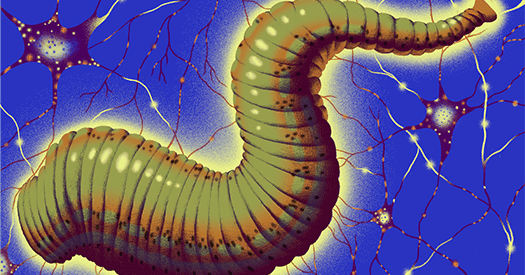
Mitochondria, which have been around for over 700 million years, detect heme deficiency by releasing a protein called DELE1 into the cytosol. This triggers a process that reduces protein production, preventing toxic excess of heme-binding proteins. This heme-sensing pathway operates across human tissues and is evolutionarily conserved.
The system is particularly important in red blood cell development, where it prevents excessive production of globin, a protein counterpart of heme. The researchers believe this discovery could lead to new treatments for globin disorders and advancements in heme biology research, particularly in the context of malaria.
Written by urgent.news from Phys.org's reporting — not their text. Machine-written — may contain errors; check the original before relying on it.