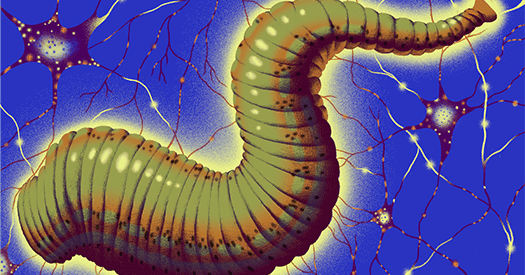
Fruit and honey fuelled the early evolution of the human brain
Intelligence is an energetically expensive luxury. And a new study in Science shows meat has never been the main fuel source for our ancestors.
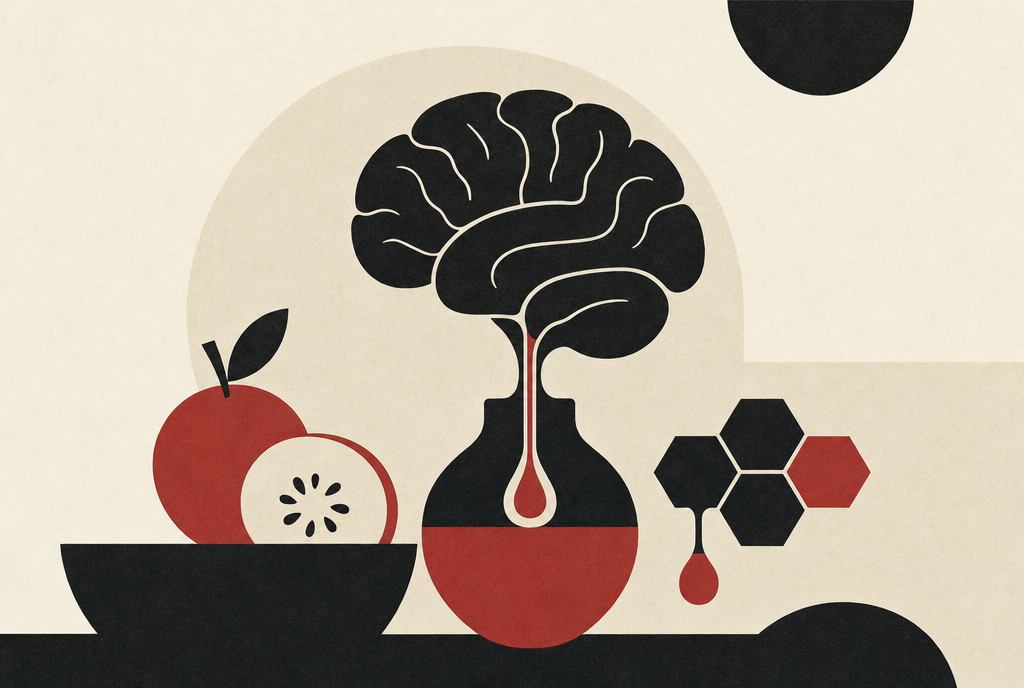
A recent study published in Science sheds light on the role of carbohydrates in the early evolution of the human brain. Intelligence, as highlighted by the rise of artificial intelligence, is an energetically costly luxury, requiring significant energy resources. The human brain, making up about 2% of body weight, consumes one-fifth of the body's energy in a resting state, compared to less than half in non-human primates. A five-year-old child devotes 66% of their energy needs to their brain.
Traditionally, it was believed that meat consumption fueled the development of our large brains. However, a new study reveals that carbohydrates played a crucial role in the evolutionary process. The brain relies on glucose, a form of fuel not present in meat. Our research, conducted over four million years of evolution, shows that carbohydrates contributed more than half of the total energy requirements.
This finding provides insights into why we have a preference for sweet foods today and how modern diets can be improved.
Many anthropologists have attributed the rise of large brains to meat consumption, noting that meat contains dense sources of protein and fat. However, early humans required a minimum amount of dietary carbohydrate, found in plants but not meat. The study used models to calculate the glucose demand by organs and tissues, accounting for reproductive needs and macronutrient availability from foods such as fruits, honey, and bones. During evolution, the sugars in fruit and honey were the primary sources of carbohydrates.
Our ancestors, like Lucy, primarily consumed fruits, which provided about two-thirds of their energy. The introduction of fire about one million years ago allowed the use of cooked starch, replacing some of the sugars in their diet. Recently, about 100,000 years ago, grinding stones and hearths enabled easier access to starch from cereal grains.
The study suggests that early hominins consumed enough carbohydrates to meet the demands of the brain and other tissues, especially males. Pregnant females required just slightly more. As humans moved out of tropical environments into colder and drier regions, carbohydrate intake became limiting. In response, genes evolved to increase blood glucose levels, which improved fetal growth and future survival.
Today, these same genes may contribute to type two diabetes and cardiovascular disease. The findings highlight the importance of half of our energy as carbohydrates and explain why humans crave sweetness, a signal that encouraged foods fuelling the mind and body millions of years ago. Ideally, we should consume sugars in their natural form, such as in fruits, rather than refined sugars.
Written by urgent.news from The Conversation AU's reporting — not their text. Machine-written — may contain errors; check the original before relying on it.