How Trump's new birthright citizenship orders differ from what Supreme Court struck down
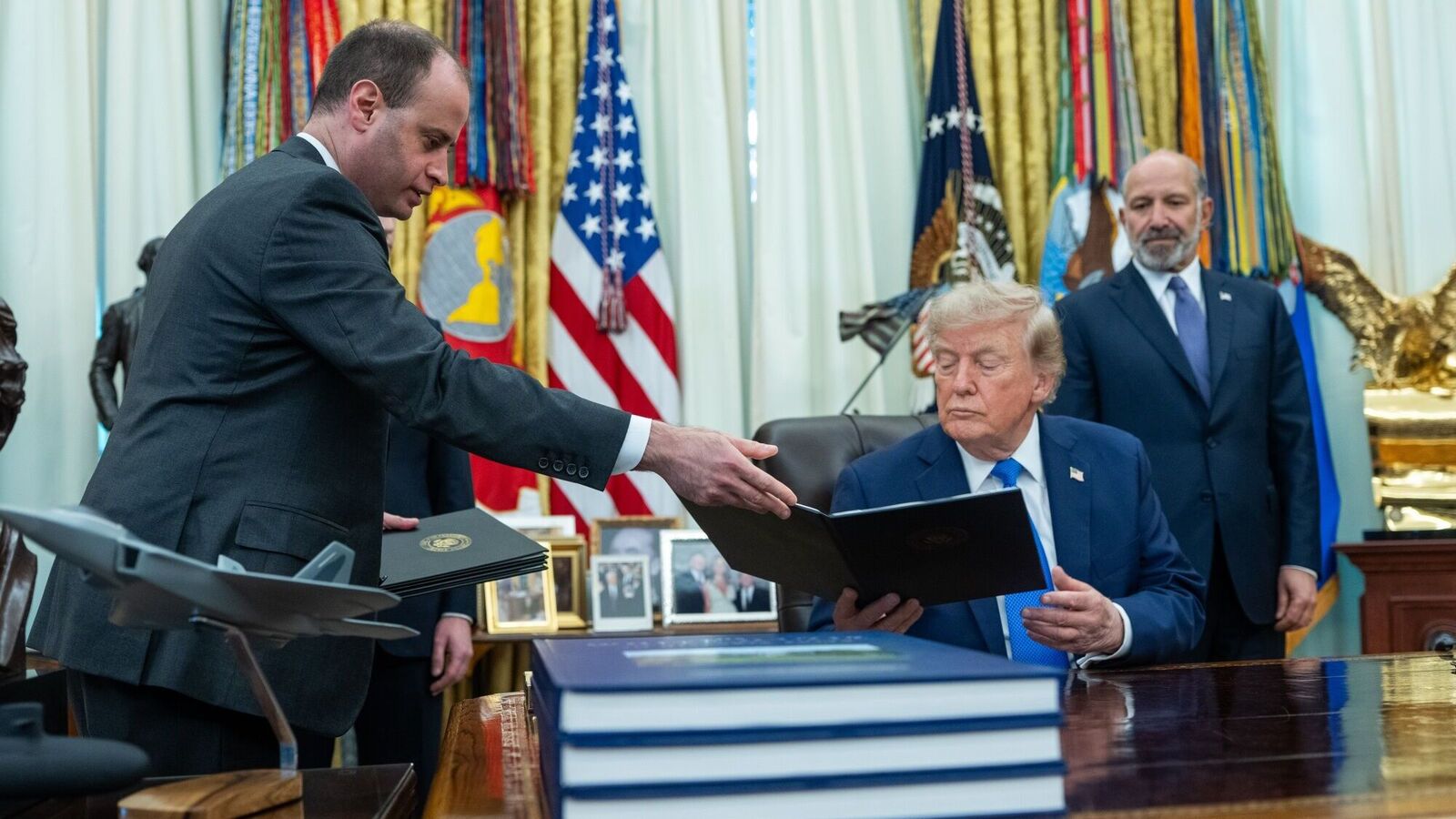
President Trump on Thursday signed executive orders to limit birthright citizenship after the Supreme Court struck down his previous effort. CBS News legal contributor Jessica Levinson joins with analysis.
Former President Donald Trump is once more attempting to curtail US birthright citizenship, following the Supreme Court's rejection of his prior attempt. Trump signed two executive orders on Thursday, one of which broadens the existing definitions of non-citizens whose children are ineligible for birthright citizenship. The second order bans what's termed 'birth tourism', the practice of pregnant women entering the US to give birth and ensure their offspring's citizenship.
Trump, speaking from the Oval Office, dismissed the Supreme Court's prior rejection, stating, "This should have happened years ago, but we're taking care of it now." The first order asserts that the administration has safeguarded against risks posed by foreign actors attempting to exploit American citizens through the generous nature of the nation.
The order prohibits babies born in the US to non-citizen parents, specifically if one parent is a member of a foreign terrorist group, a foreign government employee, has attempted citizenship fraud, or resides in US territories without federal statute-based citizenship. Trump and his administration have frequently criticized birth tourism, attributing it to potential foreign adversaries seeking to infiltrate the US.
Trump claimed hundreds of thousands of babies have been born through this means in the US. According to the Migration Policy Institute, an estimate suggests around 22,000 to 26,000 such births annually. Government data, as per the institute, indicates 9,600 births to mothers with foreign addresses in 2024. Stephen Miller, a homeland security advisor and White House deputy chief of staff for policy, emphasized that the intention is for individuals to deceive as tourists, then give birth to obtain an automatic citizen, ultimately leaving the country and having a US citizen child.
Trump, asserting the authority under the Immigration and Nationality Act to impose exceptions and limitations on entry, stated, "Our country suffers because of it, and we're ending in a different way." However, legal scholar Gabriel Chin from the University of California Davis' School of Law noted that while certain aspects of the order might be upheld, others present "serious constitutional questions."
He asserted that while the president can restrict people entering for childbearing purposes, once a child is born in the US, the president cannot decide whether that child is a citizen. Chin considered birth tourism as "a drop in the bucket" compared to the millions of births in the US.
Written by urgent.news from BBC News's reporting — not their text. Machine-written — may contain errors; check the original before relying on it.
This story
This is one outlet's version. Read the fullest account.
- Trump signs 2 immigration actions to limit birthright citizenship and curb ‘birth tourism’ apnews.com
- Trump signs 2 immigration actions to limit birthright citizenship and curb ‘birth tourism’ myjoyonline.com
- Breaking: Trump moves to ban 'birth tourism' and restrict birthright citizenship abc.net.au
- Trump again tries to limit US birthright citizenship with new executive orders bbc.co.uk
- Trump moves to curb birth tourism with new executive orders on citizenship jpost.com