Welp, Nobody Saw SpaceX’s Falcon 9 Rocket Crash Into the Moon
Although no one captured a direct image of the impact, scientists have detected signals confirming the rocket hit the lunar surface. Orbiters could provide the first images of the crash site in the coming days.
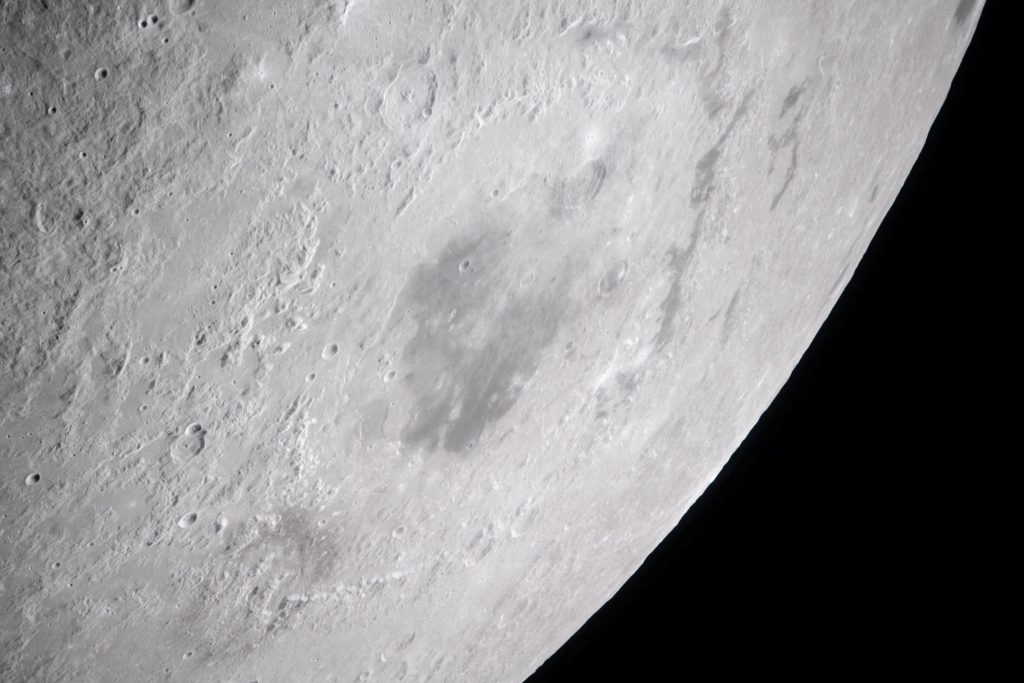
Despite extensive documentation of the Falcon 9 rocket's impact on the moon, no direct photographs captured the event. Astronomers eagerly anticipated the crash, hoping to capture a lunar first: an impact flash on the moon's illuminated surface. However, the rocket's high-speed collision at approximately 5,400 mph resulted in no direct images.
Indirect evidence emerged from Chile, where scientists observed a stream of sodium and lithium minutes after the predicted impact. Researchers attribute the sodium to ejected lunar material, while the lithium likely originated from the rocket. NASA, aware of the impending crash, refrained from releasing any images or findings. Other institutions continue to scrutinize their data.
According to NASA calculations, the upper stage of the Falcon 9 rocket created a crater roughly 60 feet in diameter and 12 feet deep, along with a cloud of dust and rock. Direct images of the impact would be challenging due to lighting conditions and the impact site's location. Social media has since been filled with hoax images and videos claiming to show the collision, although hoax images and videos are circulating on social media.
Written by urgent.news from Wired's reporting — not their text. Machine-written — may contain errors; check the original before relying on it.
This story
This is one outlet's version. Read the fullest account.
- SpaceX rocket segment to leave crater when it slams into the Moon france24.com
- Welp, Nobody Saw SpaceX’s Falcon 9 Rocket Crash Into the Moon wired.com
- SpaceX rocket is about to crash into the moon at 5,400mph - here's what we know news.sky.com
- A drifting part of a SpaceX rocket is about to crash into the Moon abc.net.au