A drifting part of a SpaceX rocket is about to crash into the Moon
Part of a SpaceX rocket will crash into the Moon, with the impact likely to be seen from Earth.
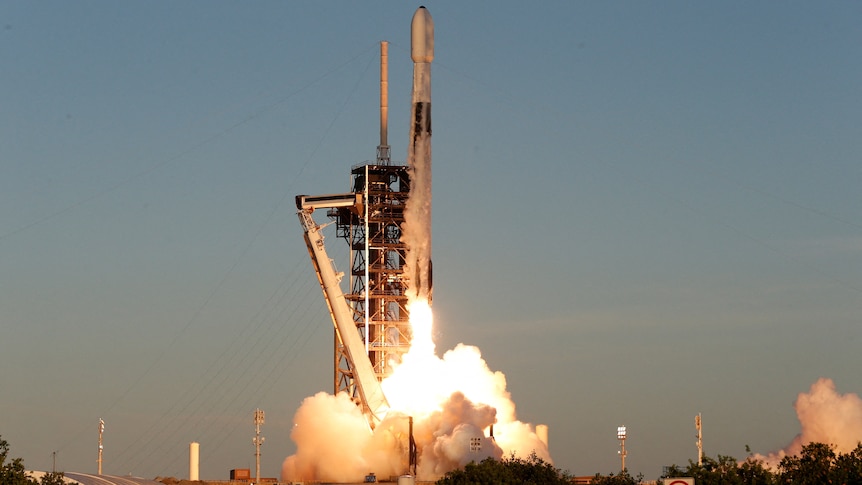
A piece of a SpaceX Falcon 9 rocket is believed to have crashed into the Moon, an event that scientists are eager to study. The upper section of the rocket, which has been drifting in space since last year, is expected to smash into the lunar surface at high speed early Wednesday morning, though confirmation of the impact may take several hours. This collision is providing scientists with a unique opportunity to observe the effects in real time.
However, the crash has raised concerns about the treatment of the Moon as a dumping ground for human-made debris. Space lawyer Gregory Radisic has expressed worry that the incident implies the Moon is being treated with the same disregard as a garbage dump. He noted that accidents like these leave a lasting mark on both the physical and visual appearance of the lunar surface, as there is no weather on the Moon to wash away the remnants of such impacts.
Astrophysicists and other scientists are intrigued by the chance to study the aftermath of the collision. The impact should not pose any danger to anyone, as the Moon lacks an atmosphere to burn up the debris like it would on Earth. Instead, the small piece of rocket debris will create a crater upon impact, releasing a significant amount of thermal energy that can be observed as a brief flash of light on the lunar surface, known as an impact flash.
The collision will modify the physical and chemical properties of the lunar regolith, the top layer of soil, which could be crucial for future lunar exploration and human presence on the Moon.
Written by urgent.news from ABC News AU's reporting — not their text. Machine-written — may contain errors; check the original before relying on it.
This story
This is one outlet's version. Read the fullest account.