What scientists are learning after SpaceX debris crashed into the moon
A four-ton upper stage of a SpaceX rocket is believed to have hit the moon at 5,400 mph. The SpaceX rocket launched a pair of lunar landers last year, but the company's scientists say a combination of solar activity and gravity put it on a collision course with the moon. Geoff Bennett discussed larger concerns about lunar litter with science correspondent Miles O'Brien.
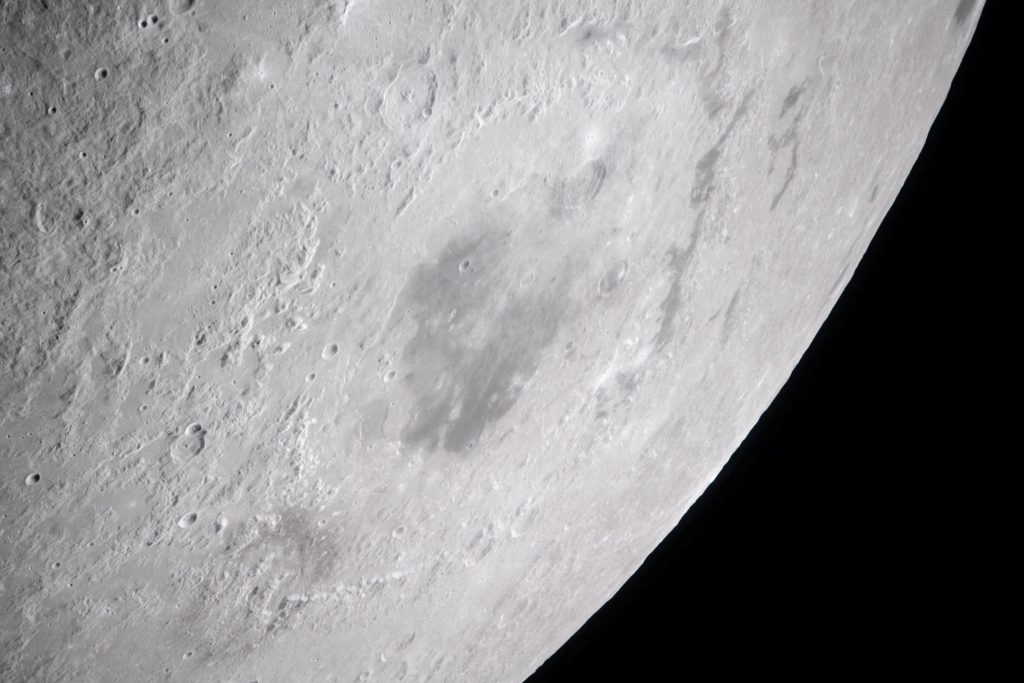
In January 2025, a SpaceX Falcon 9 rocket carrying two lunar landers launched, with its four-ton upper stage destined for the moon. According to scientists, solar activity and gravity caused the stage to deviate from its intended path and crash into the lunar surface at over 5,400 mph. Geoff Bennett, in discussion with science correspondent Miles O'Brien, explained that the collision was predicted to occur at the Einstein crater on the moon's western edge, ejecting a plume of dust 30 miles high.
Scientists anticipated this plume would provide valuable insights into the moon's composition, such as detecting lithium and sodium in the cloud's spectral data. While no images of the crash have been released due to the debris's small size against the moon's bright backdrop, scientists are excited about the potential for learning more about the lunar landscape.
The incident highlights the growing concern over space debris and its impact on future lunar missions, emphasizing the need for responsible space practices by companies like SpaceX and NASA.
Written by urgent.news from PBS NewsHour Science's reporting — not their text. Machine-written — may contain errors; check the original before relying on it.