Swallowing faecal capsules reduces peanut allergy in six adults
Altering the gut microbiomes of people with peanut allergy using faeces donated from an allergy-free individual improved their peanut tolerance in a clinical trial
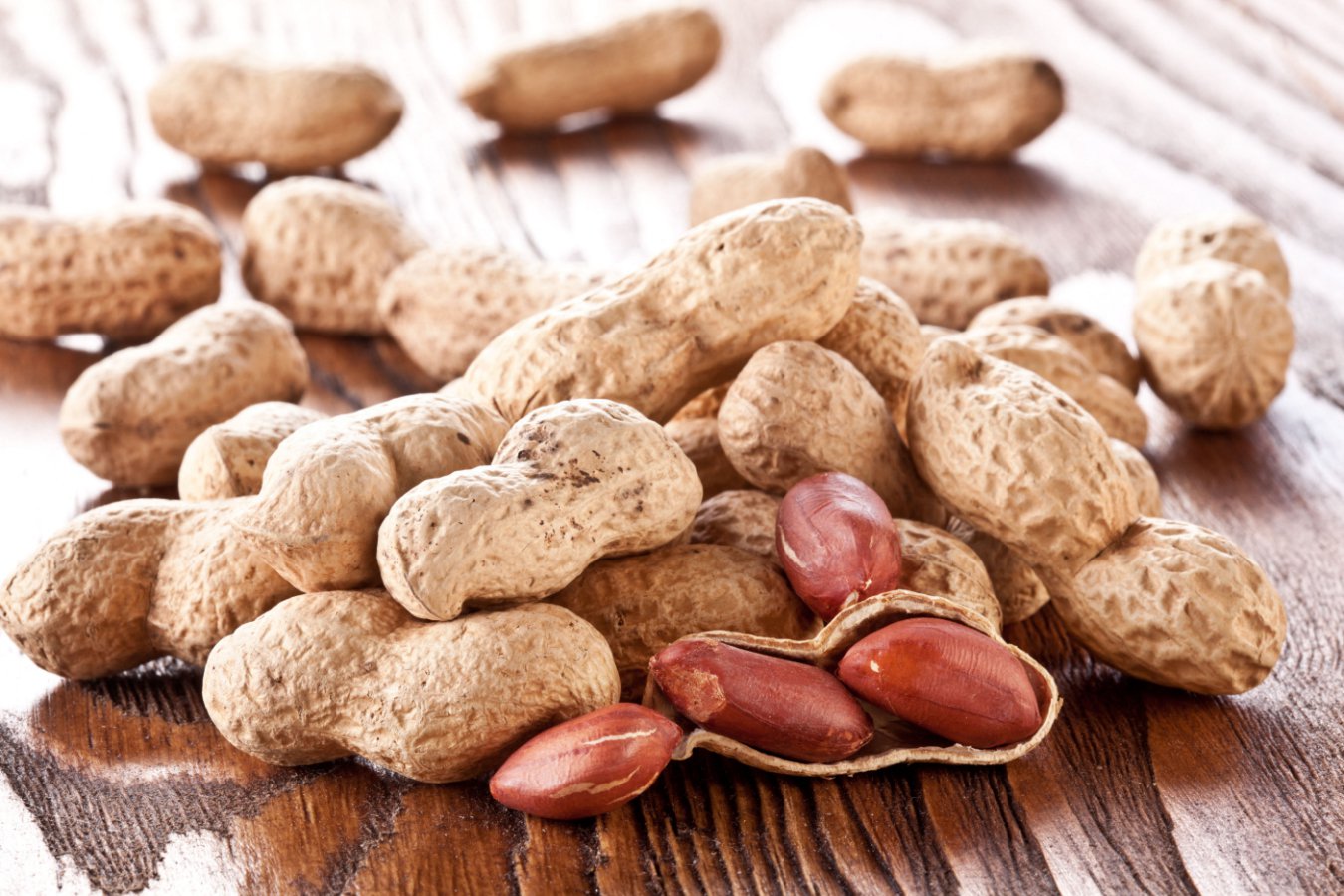
Six adults with peanut allergy experienced increased tolerance to peanuts after consuming capsules containing feces from a healthy donor with no food allergies. The study, led by Rima Rachid at Boston Children's Hospital, was a small clinical trial that suggests altering the balance of gut microbes may help relieve food allergies.
The participants, aged 21 on average, ingested 36 capsules over the course of a day, hoping to colonize their guts with the donor's gut microbes. After four months, six participants could safely consume larger amounts of peanut without allergic reactions, some even tolerating the equivalent of four whole peanuts. Side effects, such as diarrhea or abdominal pain, were mild and short-lived.
However, further research is needed due to the small and uncontrolled nature of the study. Currently, peanut allergy is managed by avoidance and emergency medication, though oral immunotherapy is sometimes used. The study also discovered that the faeces of responders contained a significant increase in Bacteroidales bacteria, which may contribute to their improved tolerance.
Written by urgent.news from New Scientist's reporting — not their text. Machine-written — may contain errors; check the original before relying on it.