How 'good' bacteria from fecal transplants reduce peanut allergy
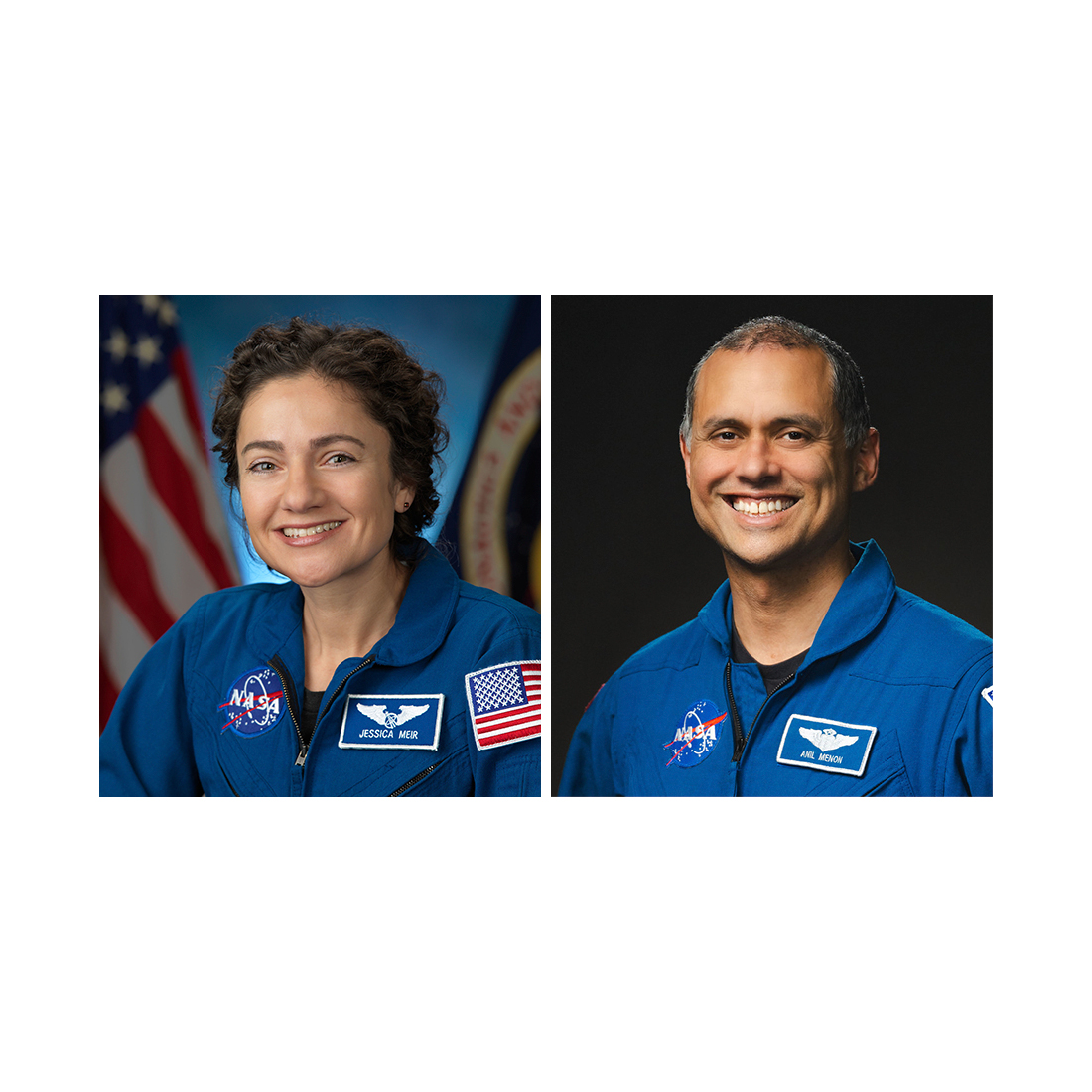
Some 33 million Americans have severe food allergies. Now, researchers at Boston Children's Hospital may have found a promising solution. In a small clinical trial, Rima Rachid, M.D., director of the Food Allergy Program and the Allergen Immunotherapy Program, and Talal Chatila, M.D., director of translational immunology, and their colleagues found that some participants with peanut allergies…

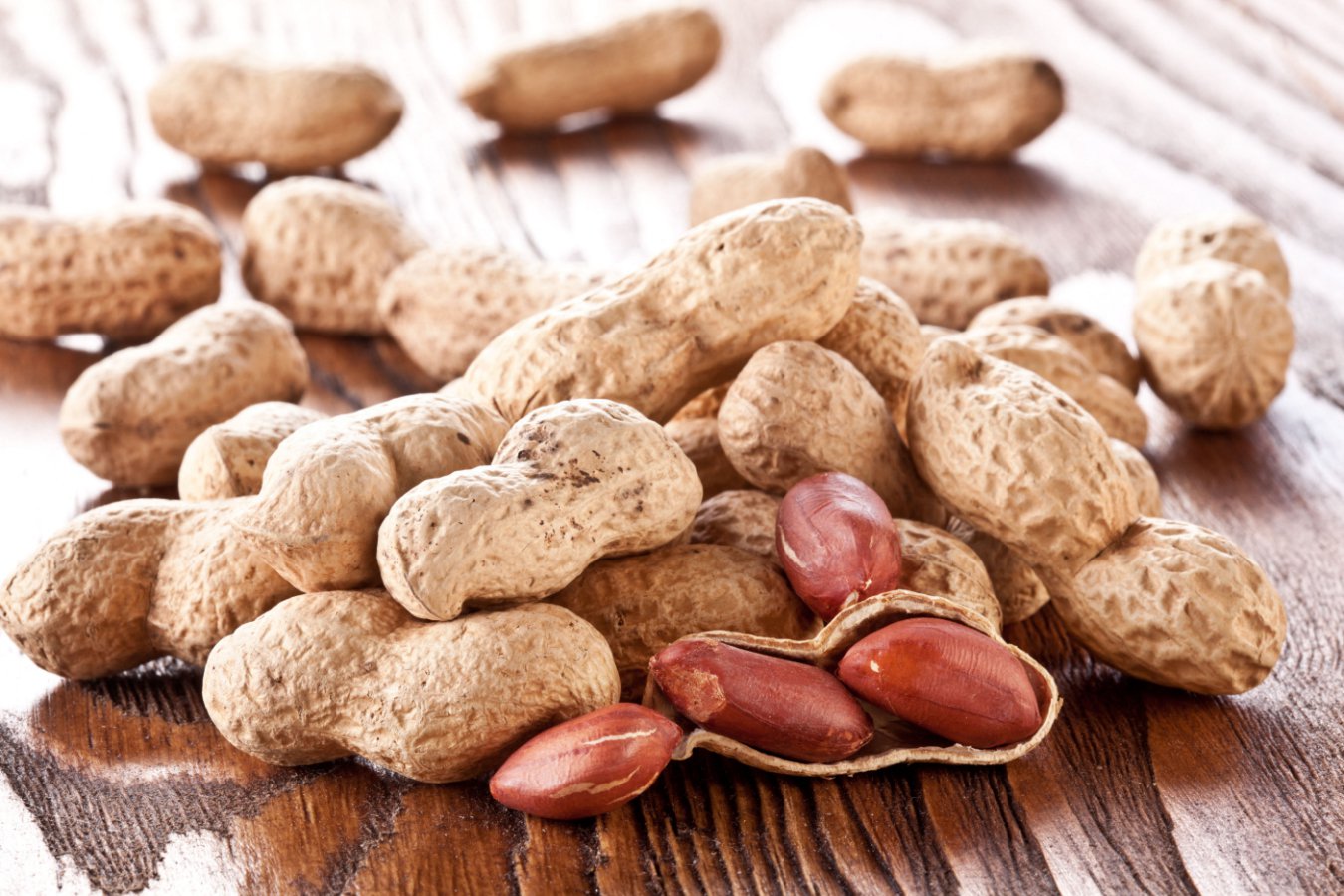
Nearly 33 million Americans suffer from severe food allergies, including peanuts and tree nuts, causing potentially life-threatening reactions. Researchers at Boston Children's Hospital have discovered that fecal transplants from healthy donors may help reduce peanut allergies. In a small clinical trial, ten young adults with severe peanut allergies received good bacterial strains from healthy stool samples.
After a one-time treatment, three participants showed improved tolerance to peanuts four months later. Antibiotics given before the fecal transplant increased the efficiency of the microbiome transfer for some participants. Bile salts, a type of metabolite produced by the good bacteria, were found to be higher in the blood of those who responded to the therapy.
This suggests that the right bacteria can help restore oral tolerance in allergic individuals, working through bile acid metabolism to promote immune cells that enforce tolerance. Larger studies are needed to confirm these findings and identify beneficial bacteria for targeted probiotic therapies.
Written by urgent.news from Medical Xpress's reporting — not their text. Machine-written — may contain errors; check the original before relying on it.