Aussie snakes have 5 spine zones, necks just 7-12 vertebrae long
Recent studies reveal that snake spines are now categorized into five unique anatomical regions. Surprising findings indicate that snakes have a notably short neck, which reflects their ancestral lineage from lizards. Additionally, this research highlights a newly discovered middle thoracic region that has adapted for movement, enhancing their abilities to burrow, swim, and climb. Interestingly,…
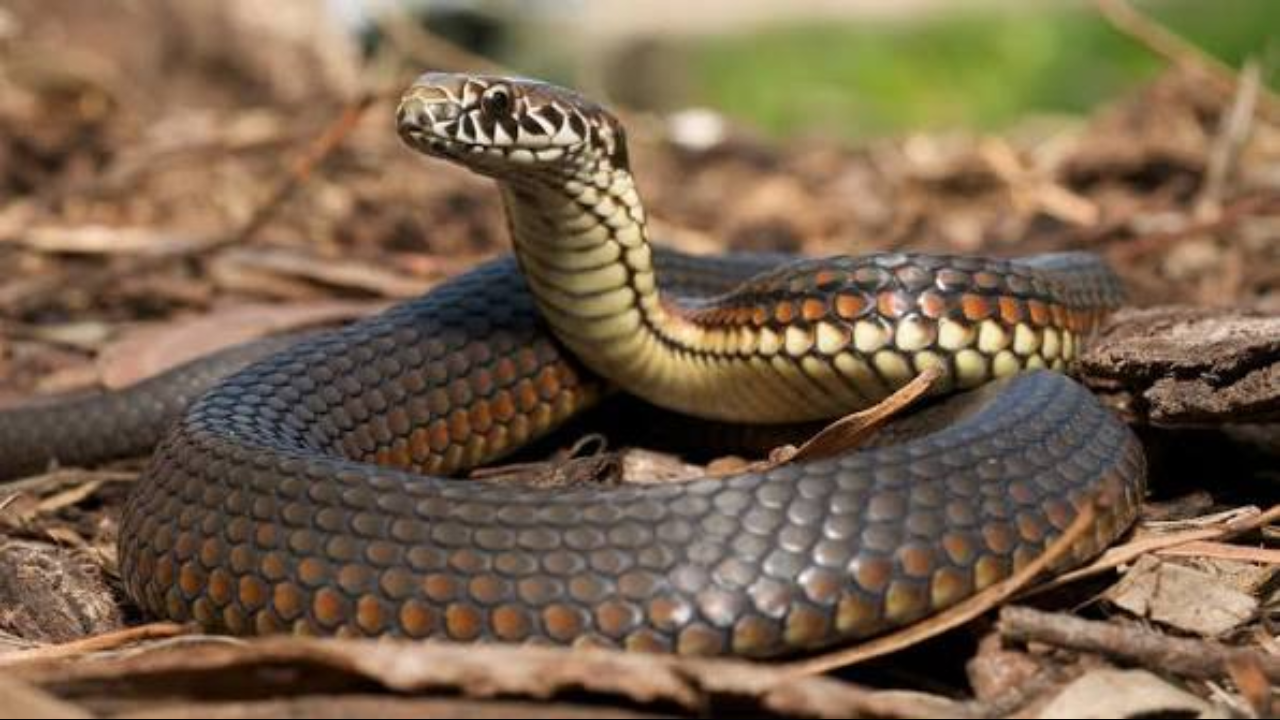
By examining the vertebrae of 13 native Australian snakes, evolutionary biologists have discovered a more complex spine structure than previously thought. Instead of a single, uniform backbone, the spine consists of five distinct regions. Most notably, the neck is surprisingly short, made up of only 7 to 12 vertebrae. This finding challenges the long-held belief that limbless reptiles have a simple, continuously changing backbone.
The study, published in the Journal of Morphology, focuses on three venomous Australian species: the eastern brown snake, the copperhead, and the tiger snake. Researchers measured every vertebra from head to tail to identify clear transition points where one spine section changes into the next. The discovery of a fifth spinal region and the shortness of the neck suggest that snakes evolved specialized backbones for different functions, such as hunting, movement, and burrowing, despite lacking limbs.
Written by urgent.news from Times of India's reporting — not their text. Machine-written — may contain errors; check the original before relying on it.