One of Africa's Rarest Birds Hatched 5 Chicks at Chester Zoo After Dad Stepped Up, a First in 95 Years
Learn how five chicks from Chester Zoo’s first secretarybird breeding success could help other zoos and habitat protection efforts in Africa.
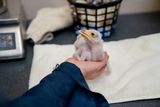
Chester Zoo witnessed a remarkable breeding event recently, as a female secretarybird named Jolene laid eggs that surprisingly hatched, yielding five chicks. This marked the first successful breeding of the rare species in the zoo's 95-year history, following a change in behavior from her mate, John. Earlier, John had shown little interest in incubating the eggs, while Jolene had shown signs of nesting since she was barely two and a half years old.
However, John began sharing incubation duties, eventually proving to be an exceptional father. The animals' assistant team manager for birds, Jonathan Beilby, praised John’s transformation, stating he is proving to be a brilliant dad. Secretarybird chicks opened their eyes upon hatching, but it took time for the rest of their faces to develop.
Despite reaching maturity quickly, the chicks remain behind the scenes at the zoo as keepers study their growth and development.
Written by urgent.news from Discover Magazine's reporting — not their text. Machine-written — may contain errors; check the original before relying on it.