We must adapt to climate change while also tackling the root cause
The devastating wildfires in Europe demand urgent measures to make landscapes more resilient, but without action to reduce use of fossil fuels, the danger is only going to increase
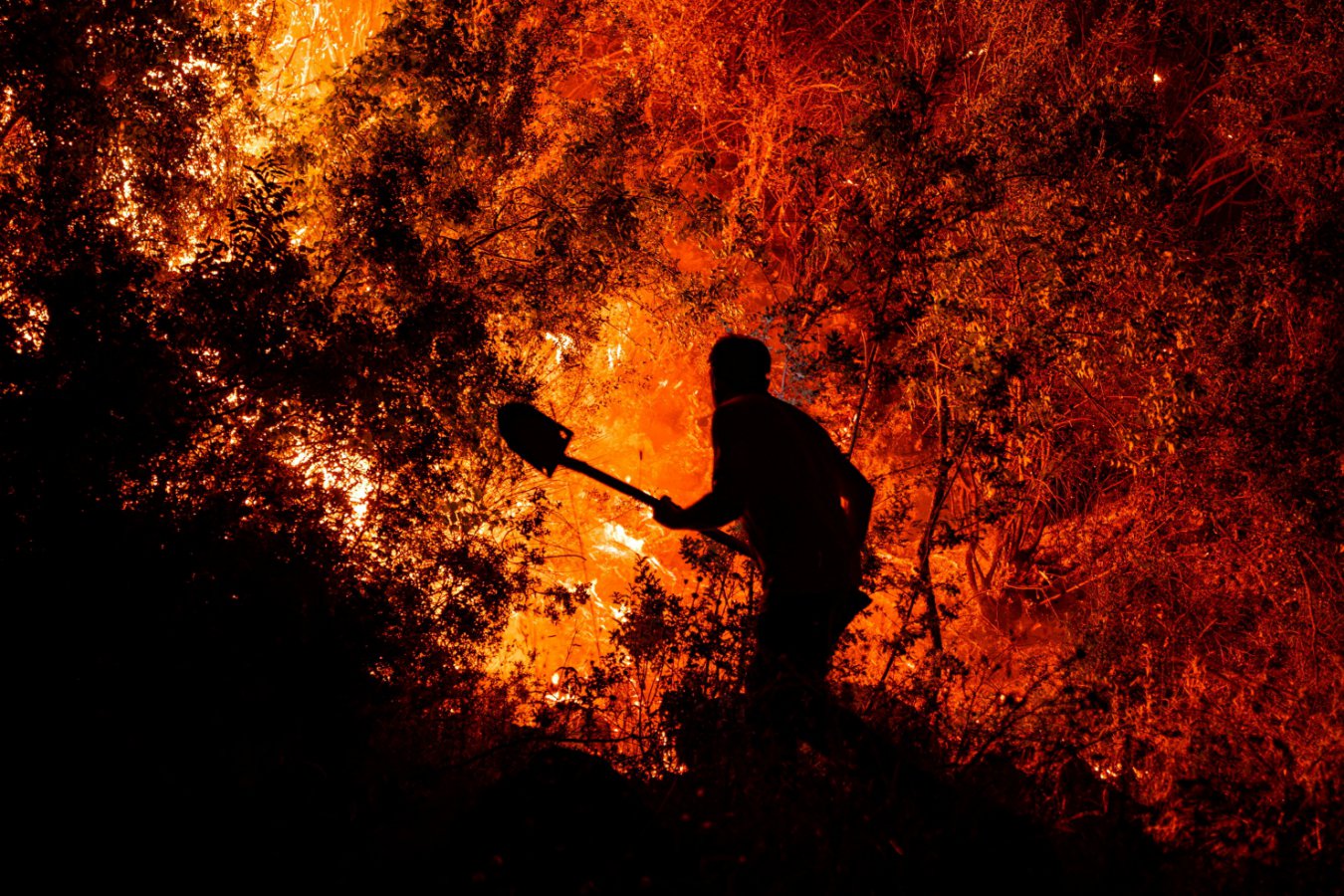
When your dwelling is engulfed in flames, it is clear that calling a firefighter is the right course of action, but this solution merely addresses the immediate crisis at hand. It does not tackle the root cause of the fire or explore ways to minimize the likelihood of such disasters in the future. The urgency of climate action is now more pressing than ever, as Europe grapples with the rising frequency of wildfires.
To prevent these infernos, it is crucial to alter the way land is utilized, much like architects design homes with fire-resistant features. This adaptation is a fundamental aspect of living in a warmer world we have created. However, this adaptation should not overshadow the fundamental cause: our dependence on fossil fuels and the resultant greenhouse gas emissions.
As long as our society continues to rely on fossil fuels, the Earth's climate will persist in warming, leading to increasingly devastating wildfires. In light of Europe's sweltering summer, some commentators appear to have adopted this mindset, suggesting that we should abandon the goal of net zero emissions and instead "learn to handle hot weather," as reported by The Telegraph.
This perspective is fundamentally misguided and should be challenged by our politicians. If our society remains structured around burning fossil fuels, it is only a matter of time before the fires become uncontrollable. In order to avert this catastrophe, achieving net zero emissions is essential. Those who argue otherwise are akin to handing out matches, exacerbating the very problem they claim to address.
Written by urgent.news from New Scientist's reporting — not their text. Machine-written — may contain errors; check the original before relying on it.