Half of the world's dams could be 'functionally inoperable' by 2060 from being flooded with sediment — and the American West is a major hotspot
Research shows a fifth of the world's reservoirs are currently at high risk of filling with sediment, creating a "ticking time bomb" that threatens lives and livelihoods.
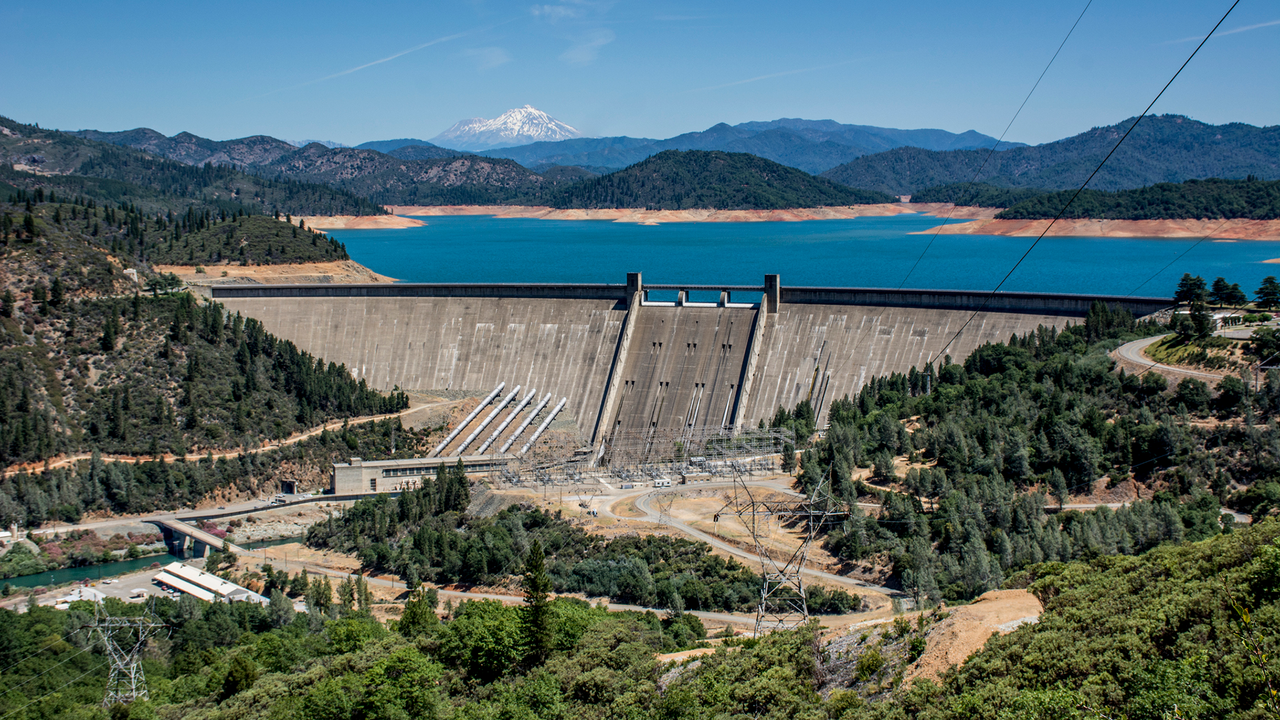
A new study reveals that half of the world's dams could become "functionally inoperable" by 2060 due to sediment buildup in reservoirs. According to the research, published in the journal Nature Sustainability, approximately one-fifth of global reservoirs are currently at high risk of becoming sediment-filled and non-functional in the near future.
The sediment, which takes up space meant for water, poses significant threats to water security and the safety of people living near or downstream of these structures, especially as climate change intensifies.
Amy East, a geologist at the U.S. Geological Survey, explained that the issue is not unique to the United States. Rainfall carries sediment down slopes into waterways, but after a river is dammed, this sediment can accumulate in the reservoir, potentially becoming a "ticking time bomb" that jeopardizes lives and livelihoods. The study assessed over 550,000 reservoirs, finding that 1 in 5 of them globally are at high risk of filling with sediment.
This sedimentation rate is projected to increase by 7.3% each decade, affecting critical water supplies for over 2 billion people and impacting more than a quarter of global irrigated land.
The study identifies 16 global hotspots with high reservoir sedimentation risks, posing threats to water supplies for millions and impacting a quarter of irrigated land. One such hotspot is the western U.S., where the sedimentation risk is especially pronounced due to the region's steeper topography and dense small-reservoir networks supporting key crop systems.
In the U.S., sedimentation rates are higher than the global average, with 7.8% of reservoirs affected. Small dams, which are prevalent in the U.S., are particularly vulnerable, with many aging and unable to handle the increased sediment volume, as some have already failed during large storms.
Regions like the western U.S. are particularly at risk due to their steep topography, which causes more sediment to naturally end up in watersheds. Additionally, human activities such as farming and logging disrupt the landscape, causing rainfall to deposit more sediment into reservoirs. In California, for example, more than half of small reservoirs in maize-growing areas are experiencing sediment buildup at a rate of over 10% per year, threatening local maize production.
The threat to water security will intensify with climate change, exacerbating factors such as wildfires and extreme weather events, which further increase sediment flow into reservoirs. As dams age, they become less capable of handling the added pressure of sediment, creating significant concerns for the future sustainability of reservoirs worldwide.
Written by urgent.news from Live Science's reporting — not their text. Machine-written — may contain errors; check the original before relying on it.