Chinese memory maker CXMT mops up even more market share away from the likes of Samsung, SK hynix, and Micron, giving me hope that competition is the way out of the memory crisis
Could the big three become the big four?
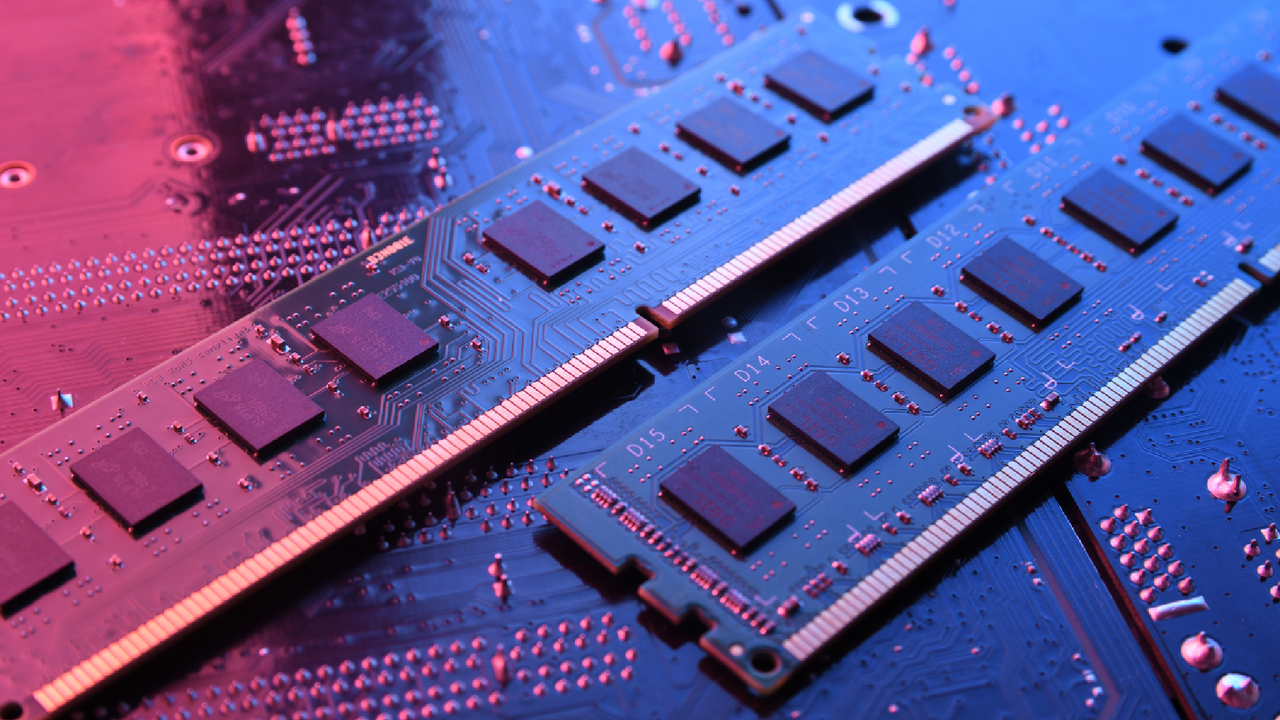
In a memory crisis plaguing the PC gaming hardware landscape, Chinese company CXMT is gaining market share, challenging industry giants such as Samsung, SK hynix, and Micron. Counterpoint reports that CXMT currently holds a 7% revenue market share, dwarfing the 39% of Samsung, 26% of SK hynix, and 25% of Micron. This means that just four companies dominate 97% of the memory revenue market share.
CXMT's rapid ascent can be attributed to early product validation for Chinese memory, a recent $8.6 billion public offering, driving a 466% surge in share value. Market capitalization now exceeds half a trillion dollars, placing CXMT among China's most valuable companies. Notably, CXMT memory has reportedly been integrated into HP, Asus, and Acer notebooks, despite not being available in the US.
The memory crisis, exacerbated by AI's high memory demand, has left a significant gap in the market, with CXMT stepping in to fill it. This competition could lead to improved pricing and production. However, both Samsung and SK hynix have been accused of anticompetitive behavior, with a class action lawsuit pending. While CXMT may help alleviate the memory crisis, its impact appears limited, as Samsung anticipates a "severe" supply crisis next year, and SK hynix predicts demand will outstrip supply even beyond 2030.
Nevertheless, CXMT is planning on expanding its chip plants, aiming to double capacity to 600,000 wafers monthly, and potentially establishing operations in Beijing, Shanghai, and Hefei. The memory crisis has demonstrated that the current market landscape disproportionately benefits a select few, leaving consumers, particularly PC gamers, facing increased costs.
Written by urgent.news from PC Gamer's reporting — not their text. Machine-written — may contain errors; check the original before relying on it.
This story
This is one outlet's version. Read the fullest account.