Propriety in public discourse: On Udhayanidhi Stalin’s double entendre remarks
Addressing a public meeting, Udhayanidhi Stalin’s double entendre remarks were made in response to the crowd mentioning an actor’s name in response to a comment on what was important to Chief Minister Joseph Vijay
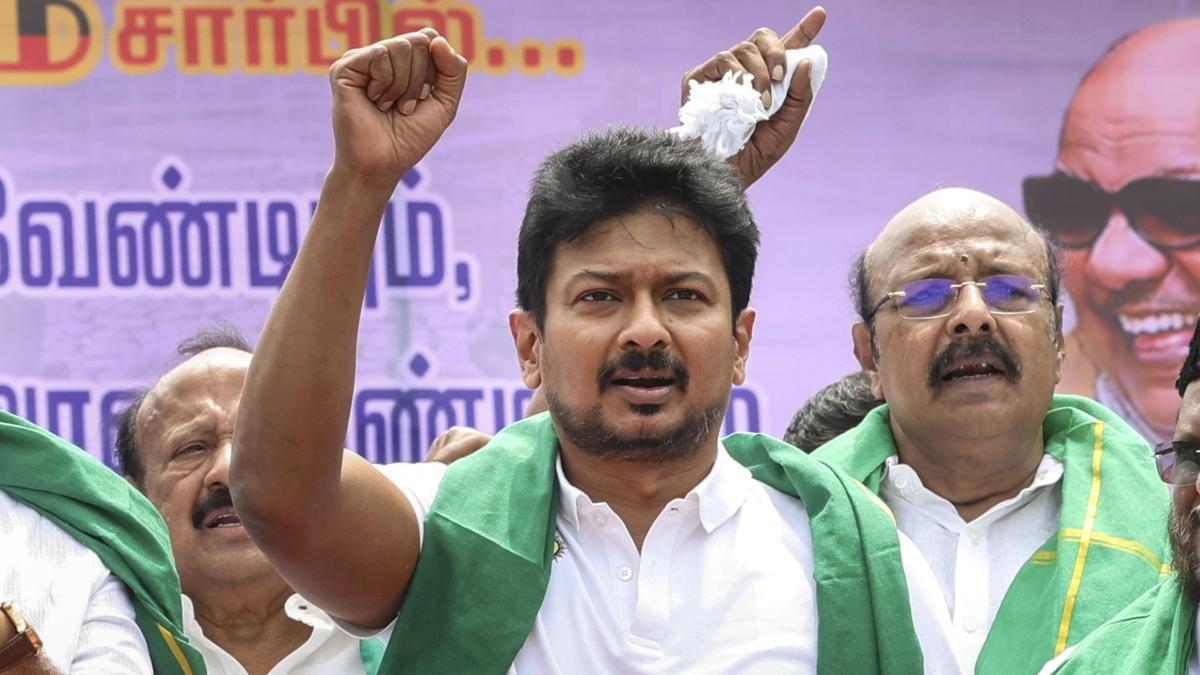
Public figures are expected to adhere to certain standards in their discourse, with humor being a permissible tool for engaging the audience, but vulgarity has no place in public forums. Recently, Leader of Opposition Udhayanidhi Stalin's remarks on August 3, 2026, went viral, eliciting widespread condemnation. Addressing a crowd in Thanjavur, Stalin made a double entendre comment in response to the mention of an actor's name in relation to the Chief Minister's concern for the Cauvery dispute.
The remarks, which were perceived as obscene and vulgar, have drawn criticism from various segments of society, with calls for an apology growing louder on social media. The remarks not only breach decorum but also exhibit sexist undertones, objectifying a woman and perpetuating patriarchal norms. Stalin's apologists argue that the comment was made in response to jeers, but it is evident that he ought to have known better.
While a complaint has been lodged with the National Commission for Women, criminal action may be difficult to pursue, but it is crucial for Stalin to acknowledge his mistake and express remorse to demonstrate accountability in political discourse.
Written by urgent.news from The Hindu's reporting — not their text. Machine-written — may contain errors; check the original before relying on it.
Also reported by 3 other outlets
- AIADMK chief Edappadi Palaniswami condemns Udhayanidhi Stalin’s arrest thehindu.com
- Udhayanidhi Stalin held for controversial comment, released on bail after 10 hrs hindustantimes.com
- Viral video: Udhayanidhi Stalin ‘hides in toilet’; police keep waiting to detain him over remarks on Trisha Krishnan livemint.com