Is China’s climate returning to that of Tang dynasty golden age? Experts warn of a trap
In China’s arid northwest, local state media in the Ningxia Hui autonomous region are celebrating a surge of rainfall in an area that usually averages 300mm (about 12 inches) per year. The rain belt moving northwards would bring “climate dividends”, the Ningxia Broadcasting News Centre said last month, promising that “loess soil will turn green and farming area will expand”. Reporting on a…
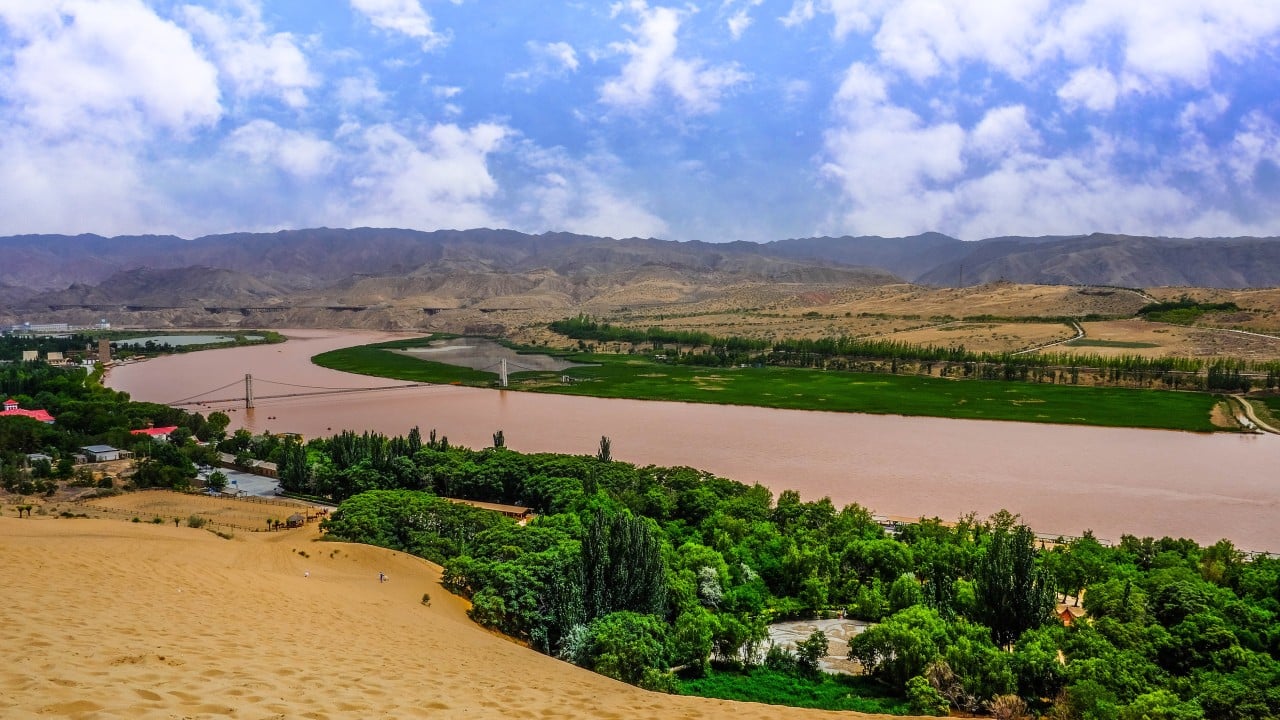
In China’s arid northwest, there has been an increase in rainfall according to state media reports. The Ningxia Hui autonomous region typically receives about 300mm of rain annually, but the total has risen by roughly 12mm recently. This shift has moved the 400mm precipitation line, separating China’s dry grazing lands from its humid agricultural areas. The “heavenly fortune” of this change is seen as bringing “climate dividends,” promising greener loess soil and expanded farmland.
Experts warn that this may be a trap, describing the trend as a “gentle double-edged sword.” While there has been a warming and greening of northwest China, climate scientists caution against portraying it as a return to a golden age. Benjamin Horton, dean of the school of energy and environment at City University of Hong Kong, is cautious about using such a simplistic narrative.
He notes that rising temperatures increase evaporation rates, which could offset the benefits of additional rainfall. Extreme weather events may also worsen, with heavy rain causing erosion, flash floods, and infrastructure damage. Ecological disruptions could arise, with invasive species and pests thriving under warmer conditions.
While Ningxia’s climate may resemble that of the prosperous Tang dynasty (618AD to 907AD), climate scientist Yu Shiyong from Jiangsu Normal University urges caution in interpreting this as a uniform climatic shift. Past warm periods resulted in varied responses, and similar warming and increased rainfall in China’s arid regions today are likely due to enhanced water cycle dynamics and climate extremes caused by global warming.
He also highlights the risk of maladaptation, where policies and investments based on temporary climate trends could lead to costly and irreversible outcomes if conditions change.
Written by urgent.news from Reuters Business via SCMP's reporting — not their text. Machine-written — may contain errors; check the original before relying on it.
This story
This is one outlet's version. Read the fullest account.